Common Misconceptions About Trekking Costs in Nepal

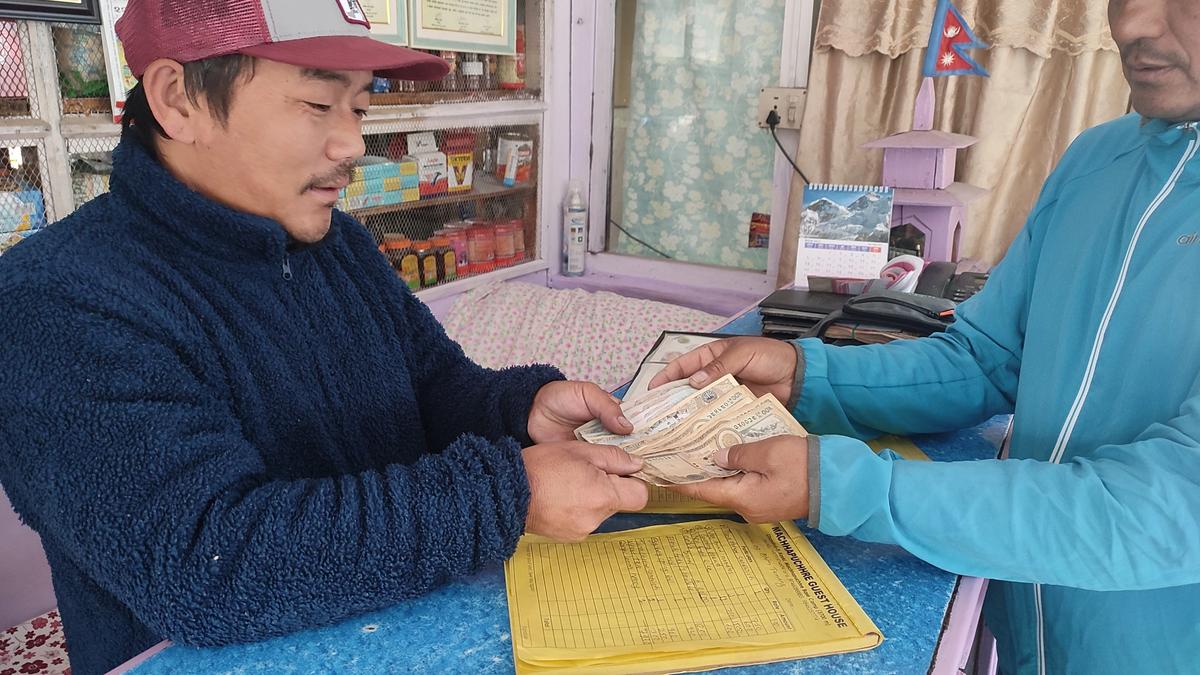
Many travelers misunderstand what trekking prices in Nepal actually cover. This guide explains the most common cost myths and how to compare packages more clearly.
You compare several packages for the same trek in Nepal, but each shows a different price. One looks surprisingly cheap, another seems expensive, and it is not immediately clear what separates them.
The answer is rarely the price alone.
Trekking packages can follow different pricing models. Some bundle most services into one amount. Others cover the main logistics while leaving meals, accommodation, and personal expenses to be paid separately.
This is why assumptions such as “cheaper is always better,” “all-inclusive covers everything,” or “paying on the trail means hidden costs” can be misleading.
This guide explains the most common misconceptions about trekking costs in Nepal and what you should check before comparing packages or planning your budget.
Understanding the Package Price
1. The Package Price Is the Total Cost of the Trek
Reality: The package price normally covers the services listed for the trek, not every expense from the time you leave home until you return.
Some costs may fall outside the package because they happen before the itinerary begins or after it ends. These could include travel insurance, Nepal entry visa, equipment, city accommodation, airport transfers, or transport to the trek’s starting point.
For example, your trek itinerary may begin in Pokhara even though your international flight arrives in Kathmandu. The journey to Pokhara and any hotel stay before Day 1 may not be included in the quoted price.
You should also leave room for buffer days. Weather delays, changed flights, or a slower return from the trail can extend your stay beyond the planned itinerary.
When calculating your budget, check where the package begins and ends rather than assuming the quoted price covers the entire journey.
2. All Trekking Packages Include the Same Services
Reality: The same route and itinerary can be sold with very different levels of support.
Two companies may both advertise a 12-day trek, but one may use private transport while the other uses a shared jeep or local bus. One may provide porter support, an experienced assistant guide, or more pre-trek coordination, while another offers a simpler arrangement.
Room type, group size, luggage support, transport standards, and staffing ratios can also differ even when the daily itinerary looks almost identical.
The itinerary tells you where you are going. It does not tell you everything you are paying for. Always compare the actual services before comparing the prices.
3. “All-Inclusive” Means Every Expense Is Covered
Reality: “All-inclusive” does not have one standard meaning across trekking companies.
One company may use the term for a package covering meals, accommodation, porter support, and private transport. Another may use the same label for a different combination of services.
Even a broad package may leave some personal trail expenses outside the price. These can include charging, Wi-Fi, hot showers, bottled drinks, tips, or optional room upgrades.
The label alone is not enough. Read the exclusions as carefully as the inclusions and check exactly what the company means by “all-inclusive”.
Misconceptions About Cheap and Expensive Packages
4. A Cheaper Package Always Means a Cheaper Trek
Reality: A lower upfront price may simply mean that more expenses are paid separately.
A package may look cheaper because meals, rooms, porter support, private transport, or equipment rental are not included. Once these costs are added, the final amount may be close to, or even higher than, a more complete package.
This does not make a cheaper package a poor choice. It may suit travelers who want more control over their spending and do not need every service arranged in advance.
Before deciding, estimate the separately paid costs and add them to the package price. Compare the likely final totals, not only the amounts shown at booking.
If you want to see this play out with real numbers, we've broken down five Nepal treks that can fit a $500 budget.
5. A More Expensive Package Means the Company Is Overcharging
Reality: A higher price may reflect more services, stronger support, or a route that is more expensive to operate.
Some treks require domestic flights, private jeeps, special permits, longer itineraries, additional acclimatization days, or more staff.
For example, a short teahouse trek such as Ghorepani Poon Hill, reached by road, will generally cost less to operate than an Everest Base Camp trek that requires Lukla flights, a longer high-altitude itinerary, and additional acclimatization days.
The difference is not necessarily overcharging. The two routes involve different transport, staffing, altitude planning, and operational costs.
A higher price is not automatically fair, but it is not automatically excessive either. Look at the route, itinerary length, transport, permits, staffing, and support before judging the amount.
Misconceptions About How You Pay
6. Paying Everything Upfront Prevents Additional Costs
Reality: Paying in advance can make budgeting easier, but it does not mean every possible expense is covered.
The upfront payment usually covers the services listed in the agreement and included in the planned itinerary. It does not mean the company will pay for every personal choice or unexpected change.
For example, if a Lukla flight is delayed and you need an extra night in Kathmandu, you may have to pay for it yourself, depending on the company’s terms.
After paying the full amount, you may feel that you will not need to spend anything more. However, the payment only covers what was originally agreed.
Paying upfront makes the main cost more predictable, but you should still understand what is not covered and keep some extra money for expenses outside the original plan.
For a more detailed explanation of which costs are fixed before the trek and which may change on the trail, read our guide to fixed and flexible trekking costs.
7. Paying Daily Expenses on the Trail Means the Costs Are Hidden
Reality: A cost is not hidden just because you pay it during the trek instead of before the trip.
Some packages separate the main trek services from your personal daily expenses. The company may arrange the guide, permits, and transport, while you pay the lodge directly for meals, rooms, drinks, and other services you use.
For example, a company may clearly explain before booking that meals are not included and give you an estimated daily food budget. The final amount may vary depending on what you order, but the cost has still been explained in advance.
A hidden cost is an expense that was not clearly mentioned or appears later as an unexpected required payment.
An expense can still be transparent even when you pay it separately, as long as you know what it is, why you need to pay it, and roughly how much money to prepare.
Costs That Vary Between Travelers
8. Food and Accommodation Cost the Same for Everyone
Reality: Two travelers following the same route can spend different amounts each day.
Food costs depend on what you order, how often you stop, and whether you buy coffee, snacks, soft drinks, bottled water, or imported food.
Prices also tend to rise as the trail becomes more remote. As a rough example, a simple dal bhat may cost around US $4–$5 at lower elevations and US $8–$10 near Everest Base Camp. Exact prices vary by lodge, location, and season.
Accommodation can also vary by room type, route, altitude, and availability. A twin-sharing room may cost less than a private room, while lodges in remote areas may charge more because supplies are harder to transport.
Daily cost estimates can help you plan, but they are not fixed. Your final spending depends on both the route and the choices you make.
For a full day-by-day picture of where this money actually goes, our Annapurna Circuit cost breakdown lays out a real 9-day budget.
9. A Larger Group Divides Every Cost Equally
Reality: A larger group can reduce some costs per person, but not every expense is divided equally among all travelers.
Guide pricing may become lower per person as the group grows. However, this is usually based on group-size pricing rather than one guide fee being divided equally among everyone.
Transport can also cost less per person when several travelers share the same vehicle. However, a bigger group may need a larger vehicle, an assistant guide, or more porters.
Porter costs depend on how the luggage is managed. Travelers should check how many people share one porter, the luggage weight limit, and what the porter fee includes, such as wages, food, accommodation, insurance, and necessary equipment.
A larger group may make some parts of the trek cheaper, but it does not reduce every cost in the same way.
10. Trekking Permits Cost the Same for Every Traveler and Route
Reality: Permit costs vary by trekking area, permit type, season, and sometimes nationality.
A regular trek may only require a national park or conservation area permit. Restricted areas may need extra permits, booking through a registered trekking agency, and a licensed guide.
Some regions also charge different permit fees for SAARC nationals and other foreign travelers. Certain restricted-area permits may cost more during the main trekking season.
This means permit costs are not the same for every trek.
Before comparing packages, check which permits are required, which fees apply to you, and whether they are included in the package price.
How to Compare Trekking Costs Properly
The best way to compare trekking packages is to look at what each package includes instead of comparing only the main price.
Ask these questions:
- What is included in the price?
Check whether the package includes the guide, permits, transport, accommodation, meals, porter service, and other support. - What will you pay separately?
Look for daily trail expenses, optional services, personal spending, and any payments you need to make during the trek. - Are the itineraries the same?
Two packages may have the same trek name but follow different routes, include different acclimatization days, or start and finish in different places. - What transport and staff are included?
The price may change depending on whether the package uses local buses, shared jeeps, private vehicles, or domestic flights. The number of guides and porters also matters. - What happens if the itinerary changes?
Check who will pay for extra accommodation, meals, or transport if weather, illness, or another problem changes the original plan. - What is the estimated total trip cost?
Add the package price, estimated daily spending, optional services, and the cost of reaching and leaving the trekking route.
The cheapest package may not be the cheapest overall, and the most expensive package may not include everything. A fair comparison looks at what is included, what you will pay separately, and how much the full trip is likely to cost.
Final Thoughts
Trekking prices become easier to understand once you stop comparing the headline numbers alone. The route, itinerary, inclusions, payment structure, and personal choices all affect the final cost.
Before booking, make sure you understand what is covered, what remains separate, and which expenses may change. Clear pricing does not always mean the lowest price. It means knowing what you are paying for and being able to plan your budget properly.
If you want to see this applied to a real route and dates, our Nepwise trip planner can show you an actual quote in a couple of minutes.

Nima Tamang
Nima works on the operational and digital execution side of Nepwise Adventures, with hands-on involvement in how treks are planned, communicated, and delivered.
His role bridges on-ground trekking realities with platform workflows, ensuring that trip information, coordination, and traveler communication accurately reflect real trekking conditions in Nepal.