Everest Base Camp Trek - 12 Days

Trip Highlights
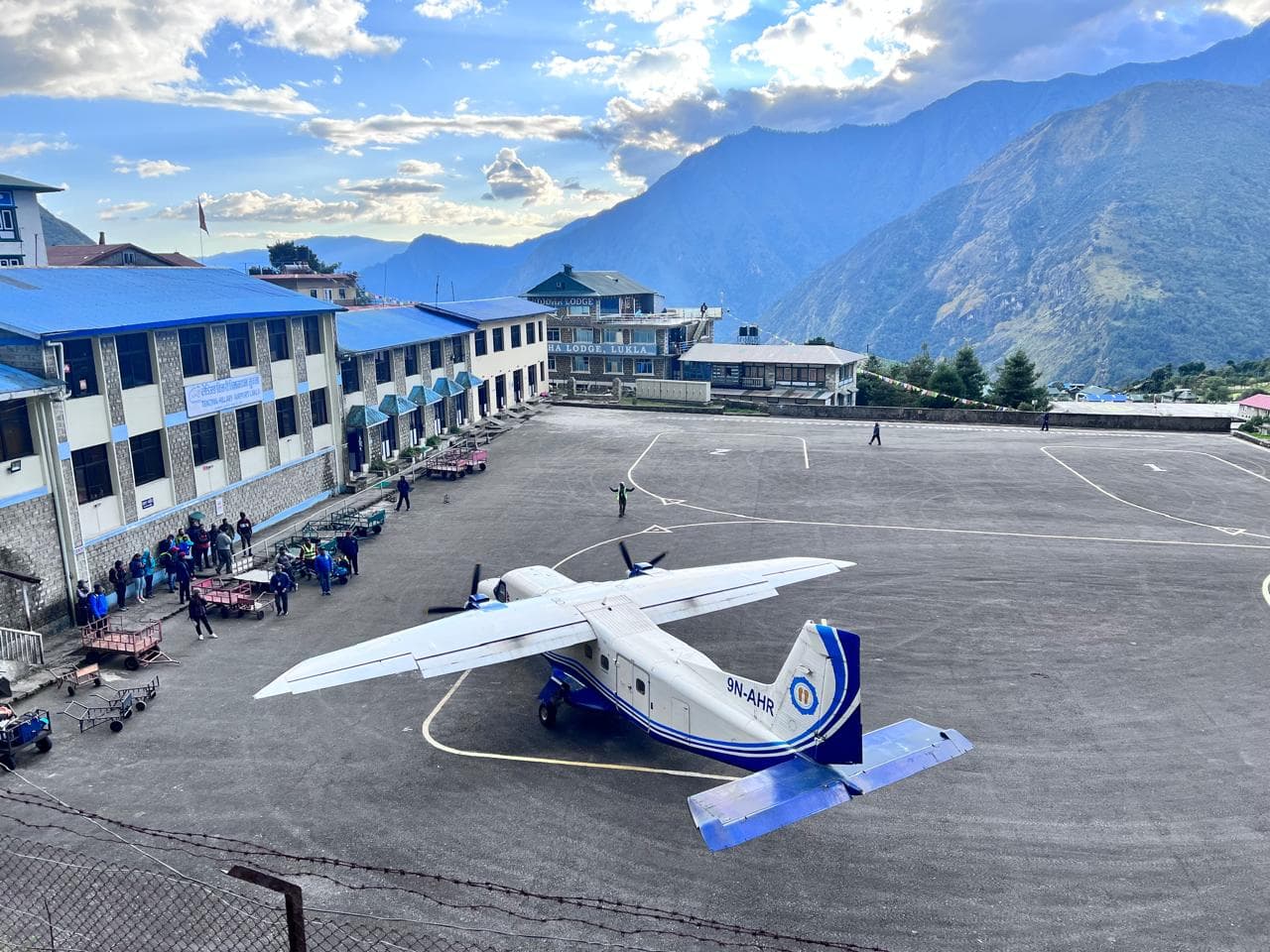
Scenic mountain flight from Kathmandu or Manthali to Lukla
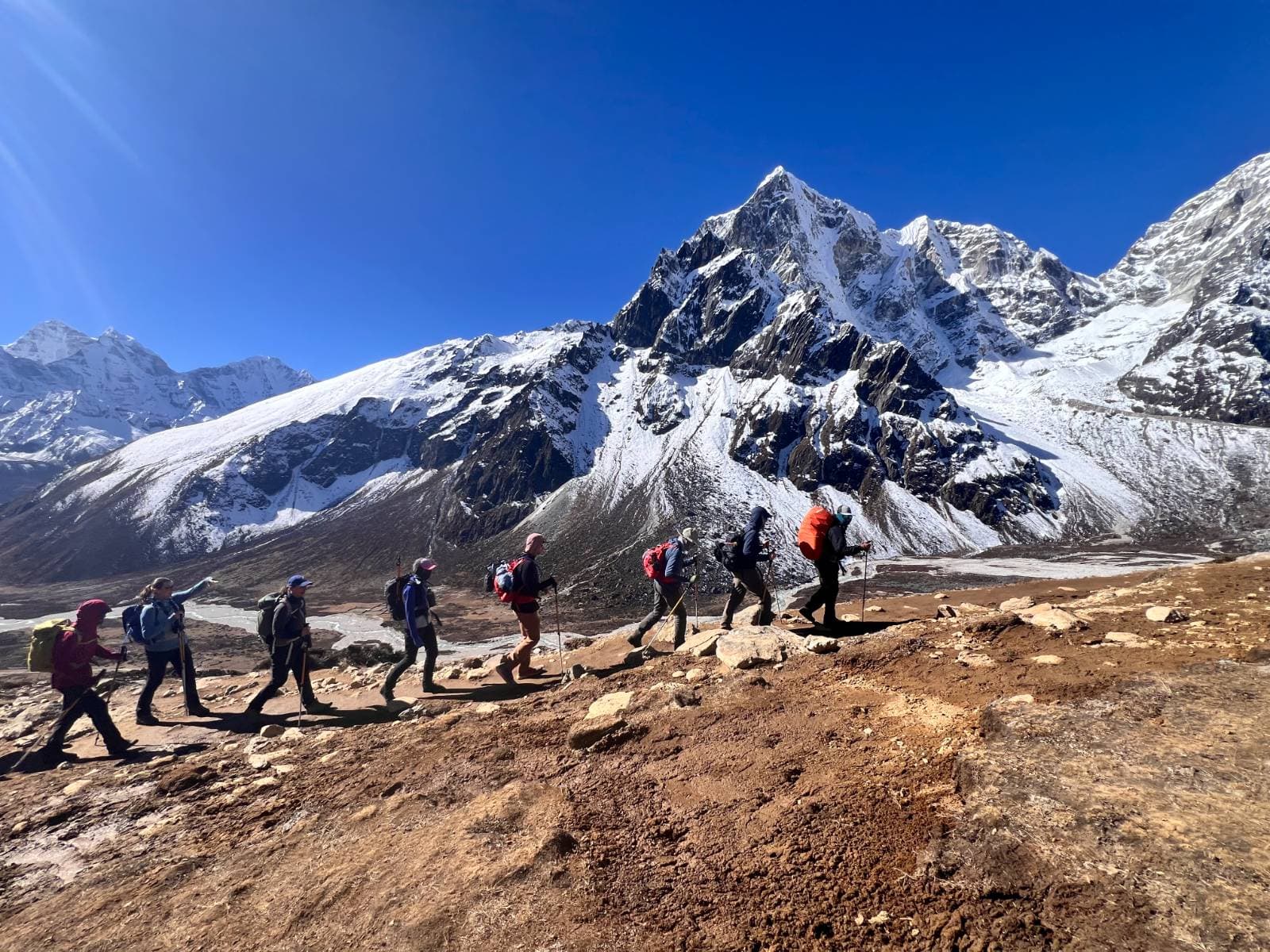
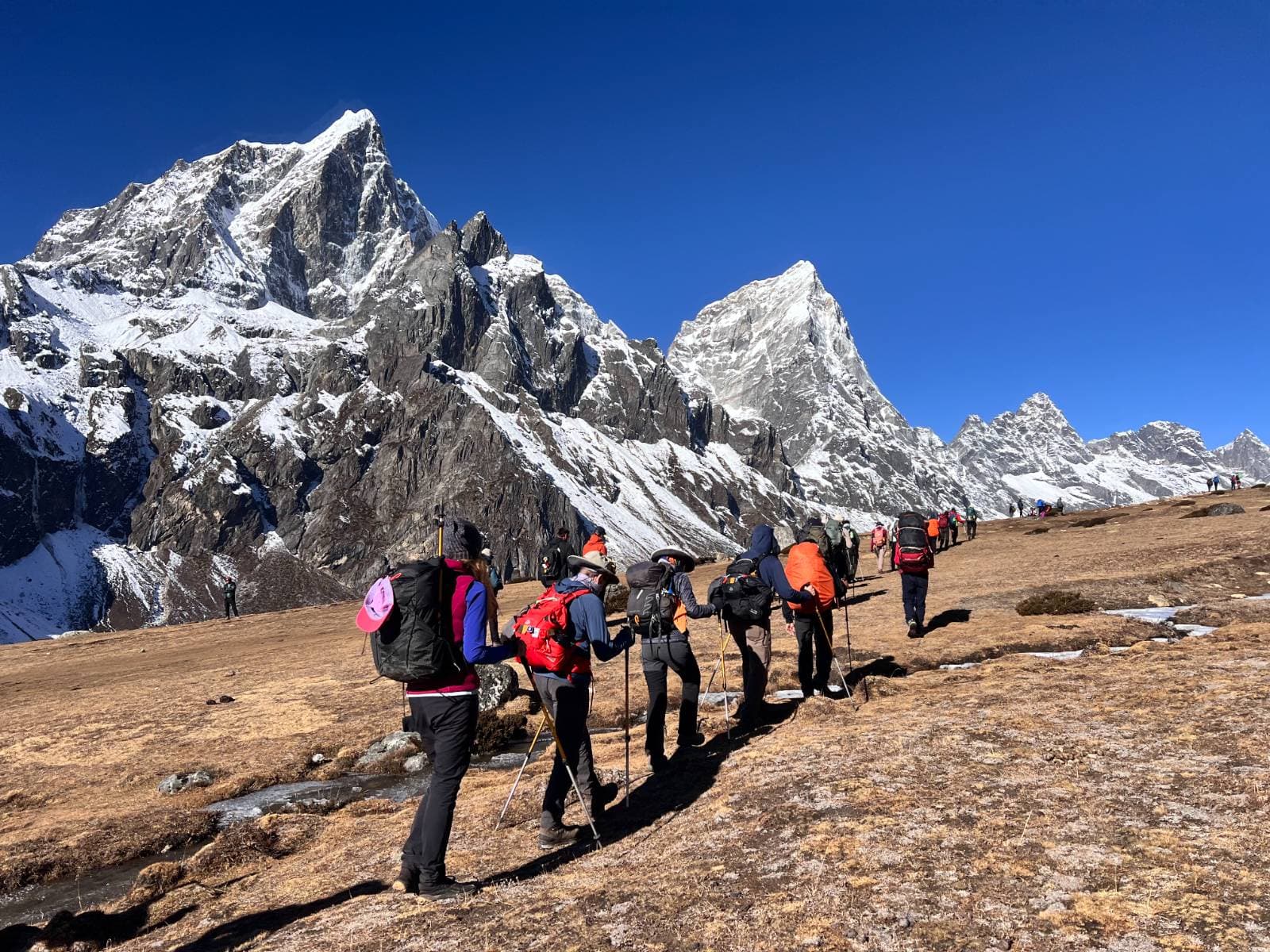
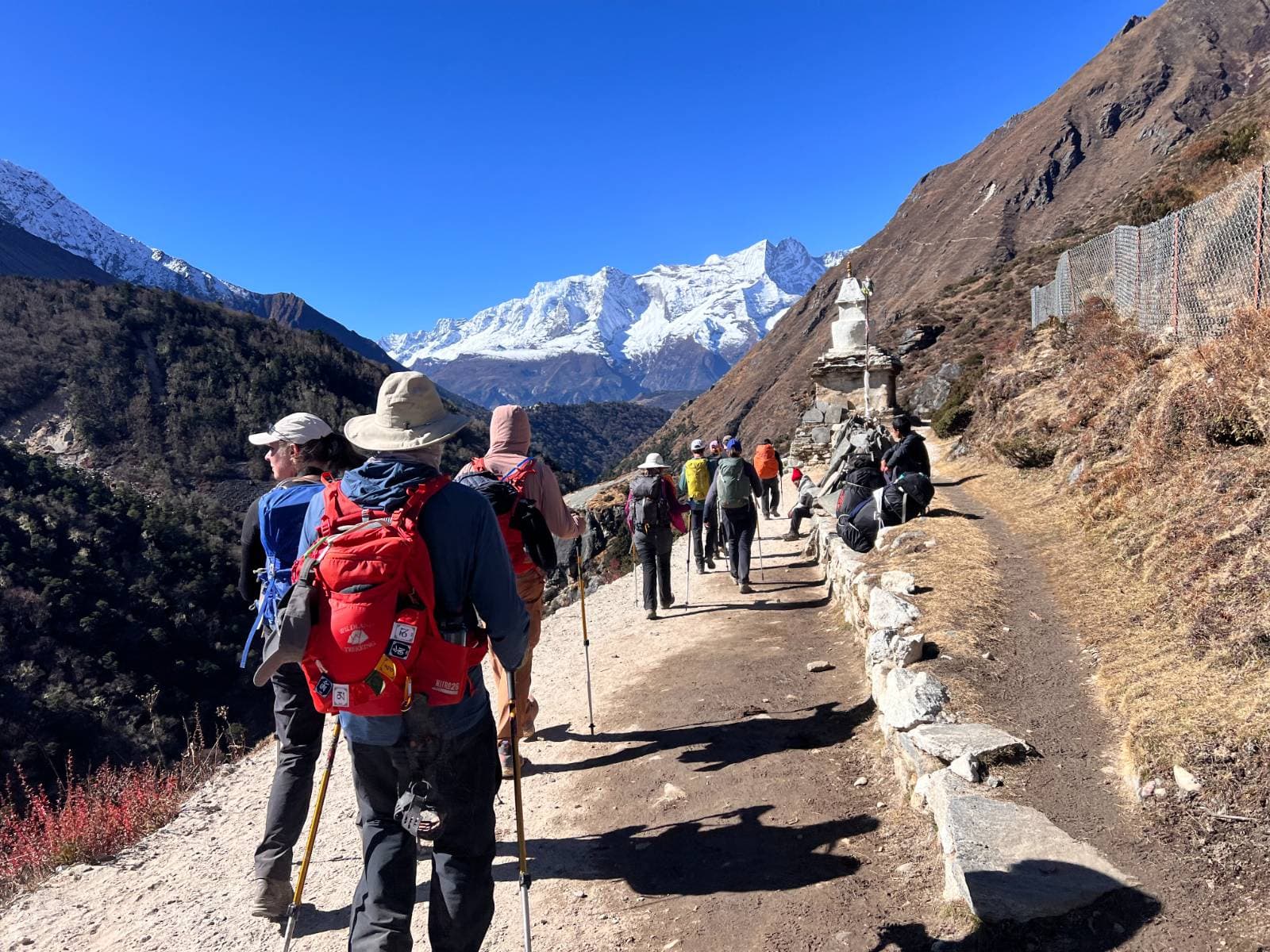
Trek through Sherpa villages, suspension bridges, and the Dudh Koshi Valley
Explore Namche Bazaar, the lively gateway to the Everest region
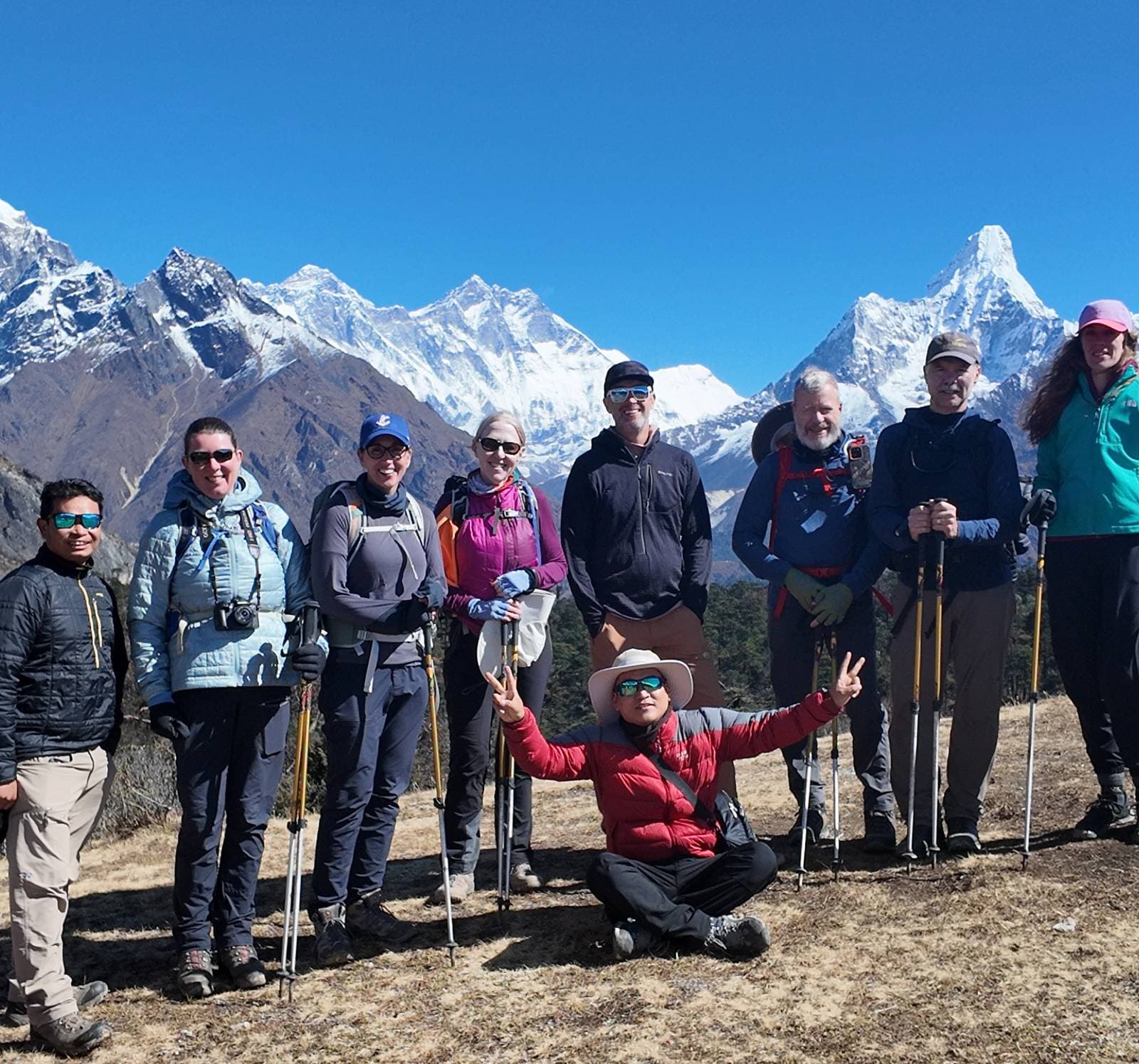
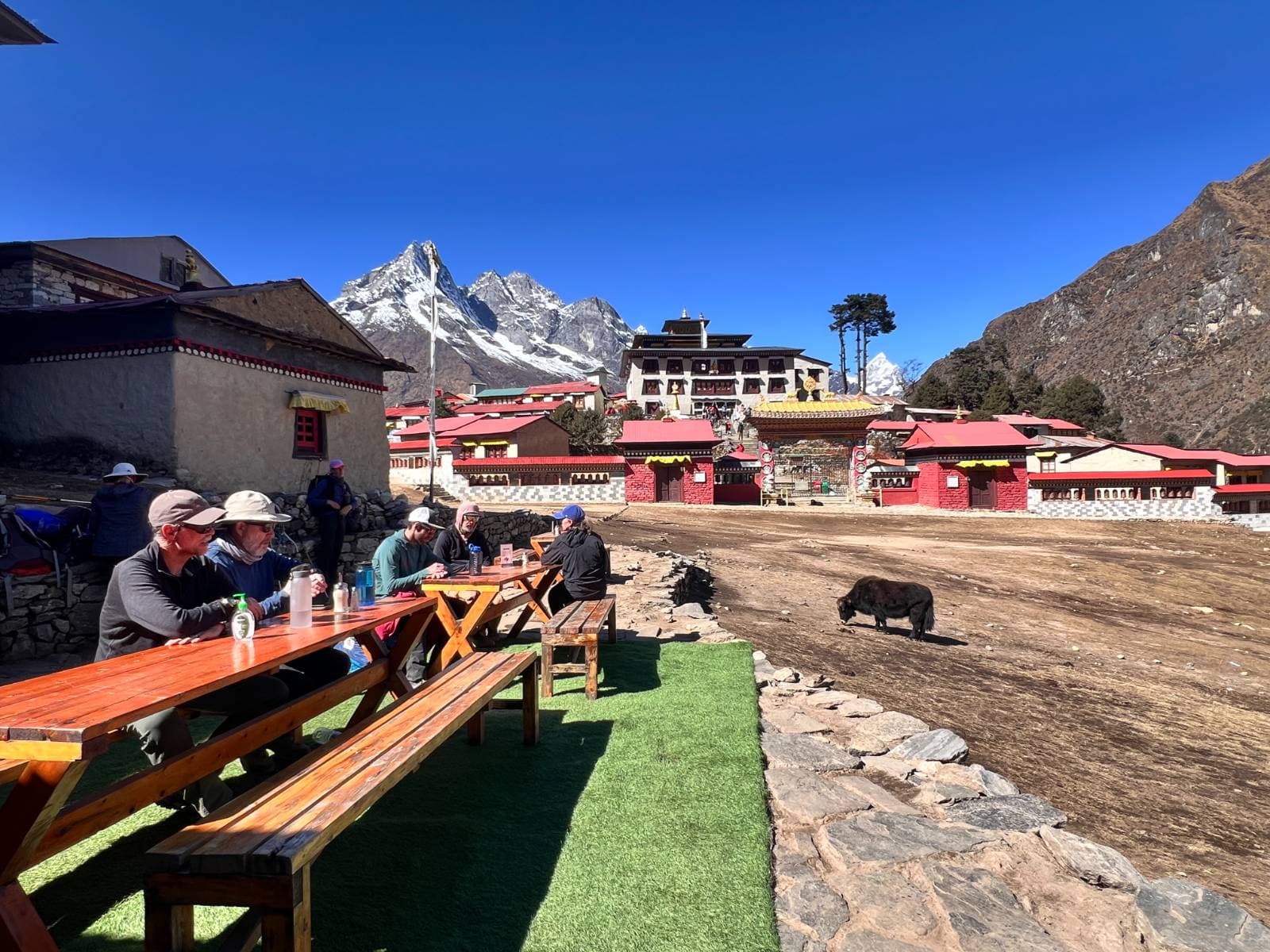
Visit Tengboche Monastery, surrounded by Ama Dablam and Everest views
Safe acclimatization days in Namche and Dingboche with beautiful side hikes
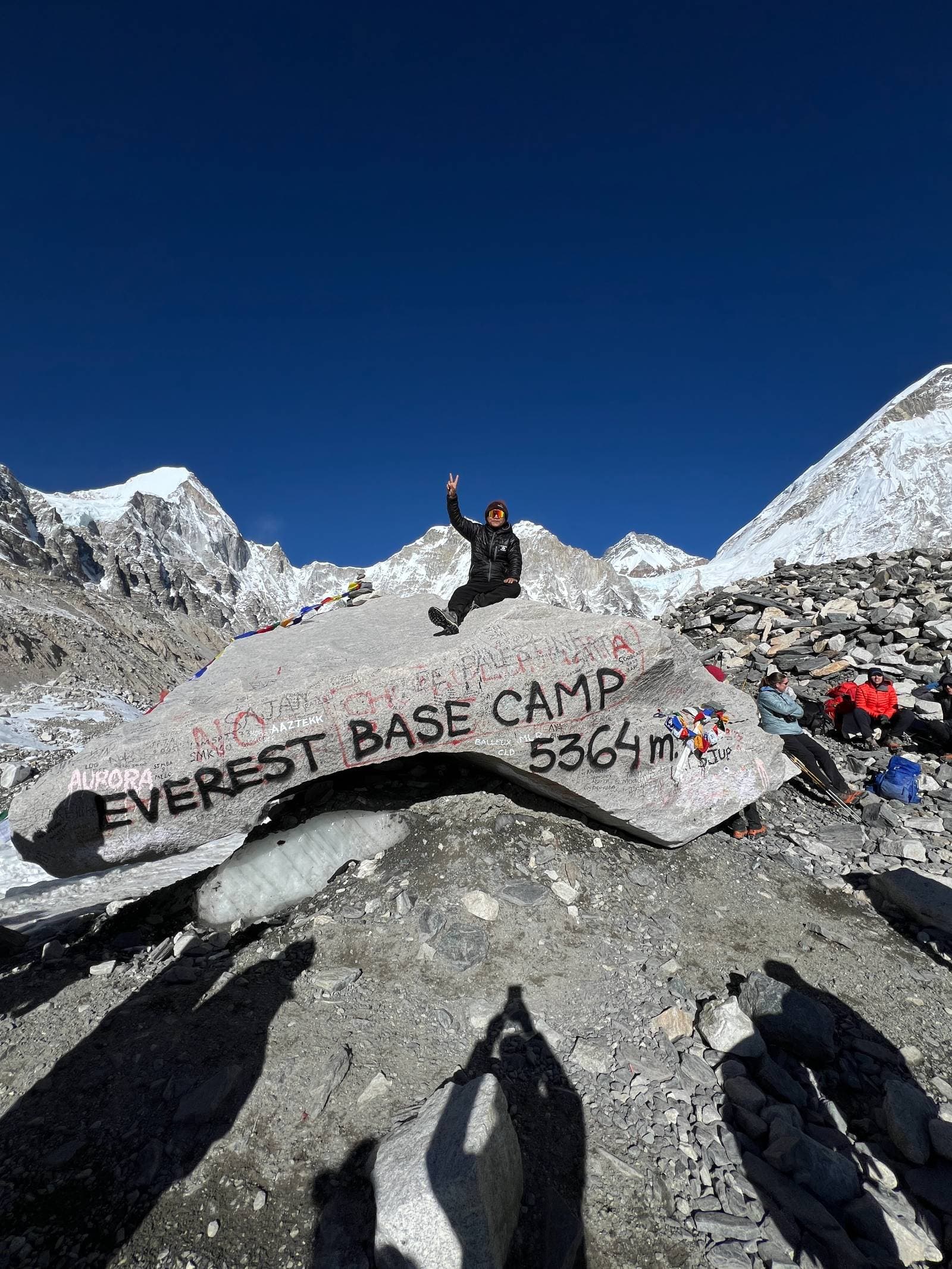
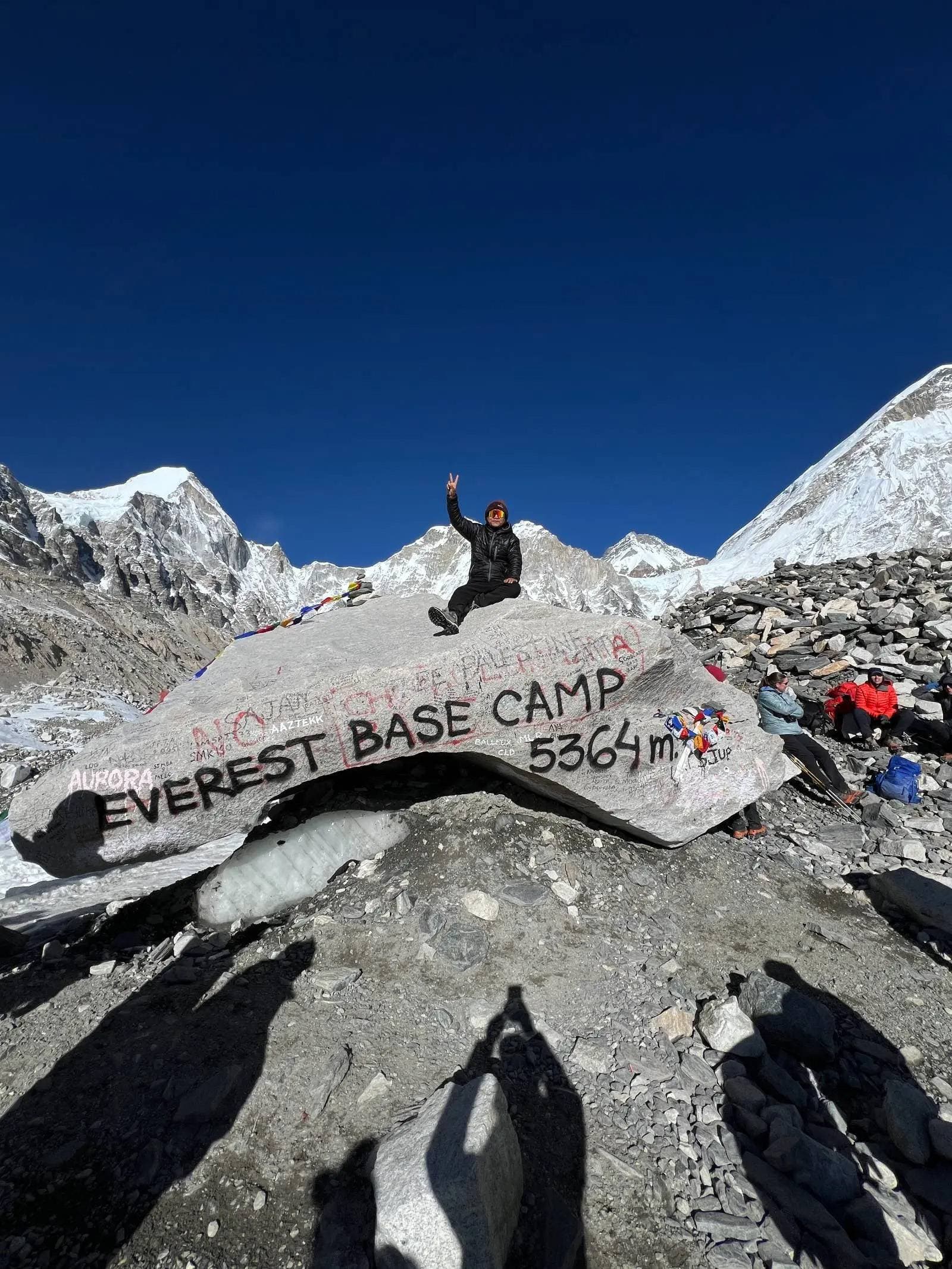
Reach Everest Base Camp at 5,364 m along the Khumbu Glacier
Sunrise hike to Kala Patthar at 5,555 m for the best Everest viewpoint
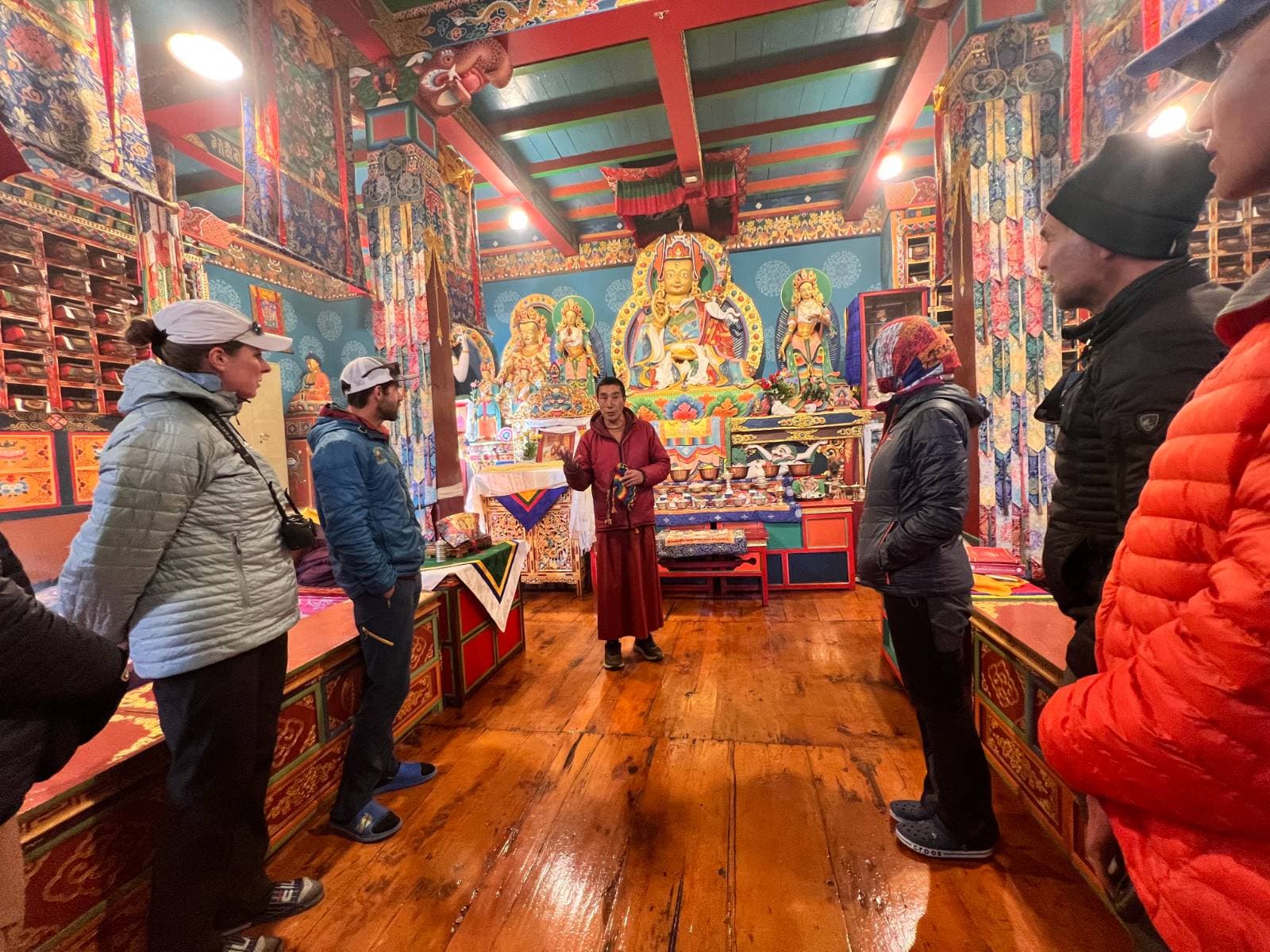
Experience Sherpa culture, mountain hospitality, and life in traditional tea houses
Everest Base Camp Trek Overview
Everest Base Camp is one of the most popular trekking routes in the world, and for many travelers, reaching the base of the highest mountain on Earth is a lifelong dream. The experience goes far beyond the trail itself. It is a journey of culture, landscapes, and personal achievement.
The adventure begins with a short scenic flight from Kathmandu or Manthali to Lukla, the gateway to the Khumbu region. The moment you land, the Himalayan atmosphere surrounds you. The trek starts gently as you follow the Dudh Koshi River, crossing suspension bridges and passing through small Sherpa villages on the way to Namche Bazaar.
Namche Bazaar is the cultural and trading center of the Everest region. Here, you will acclimatize, explore local markets, and enjoy your first views of Everest. As you move higher, the trail leads through pine forests, open valleys, and ancient monasteries like Tengboche, where prayer flags flutter with Ama Dablam rising behind it.
With acclimatization days in Namche and Dingboche, the pace stays safe and comfortable. Side hikes to Everest View Hotel and Nagarjun Hill allow your body to adjust while giving you wide mountain panoramas.
The trail eventually brings you close to the Khumbu Glacier and leads you to Everest Base Camp at 5,364 m. Standing here, surrounded by ice, rocks, and towering peaks, is a powerful moment for every trekker.
The highlight for many is the early morning hike to Kala Patthar at 5,555 m, the best viewpoint for Mount Everest. As the sun rises and the mountains turn golden, the scenery becomes unforgettable.
Whether you are a first-time visitor to Nepal or a returning trekker, the Everest Base Camp Trek offers the perfect mix of adventure, culture, and natural beauty. With comfortable pacing, experienced local guides, and scenic Himalayan landscapes, this route remains one of the most rewarding trekking experiences in the world.
Itinerary

One day before the trek begins, we will have a short group briefing in Kathmandu. The briefing will take place at our fixed meeting point, Hotel Kailash Kutee. If you want an easier start to your trip, we recommend you to book a room at the same hotel.
If you prefer to stay in your own hostel or guesthouse in Kathmandu, that is completely fine. You will simply need to come to Hotel Kailash Kutee at the scheduled group meeting and briefing time.
During the briefing, your guide will explain the trekking route, daily plan, weather conditions, and important safety information. This is also a good time to meet your group members, ask questions, and make sure everything is ready for the early departure the next morning. Your guide will check your trekking gear and help you arrange any missing items if needed.
After the briefing, its your free time to explore Thamel, buy last minute gears and snacks, or rest early before the journey begins.
Note: Please bring a passport sized photo, your original passport, and a readable copy of your travel insurance to the meeting. These documents are required to issue trekking permits and complete the necessary paperwork for the trek. You will also sign the trip agreement and non-liability form.
We meet again early tomorrow morning for your departure to Lukla. However, the flight to Lukla depends on the season, so your starting point may be Kathmandu or Manthali Airport in Ramechhap.
During the busy trekking months of March, April, May, September, October, and November, most flights operate from Manthali. On these days, you will leave Kathmandu very early, usually between 1 AM and 3 AM, and drive for about 5 to 6 hours to reach Manthali. After a short break at the airport, you will board a 25-minute flight to Lukla.
During the quieter months of January, February, June, July, August, and December, flights usually operate directly from Kathmandu. On these days, you will wake up around 5 AM to 6 AM and go to the domestic airport terminal. Your guide will be there to help you move through the airport quickly and without any hassle. The flight from Kathmandu to Lukla takes about 30 to 35 minutes and gives you beautiful views of the Himalayan ranges.
When you arrive in Lukla (2,840 m), you will have a short tea break while your guide organizes the porters for those who have requested porter service. Once everything is ready, you will begin your trek. The trail descends gently through Chheplung and Ghat, following the Dudh Koshi River.
After about 3 to 4 hours of trekking, you will reach Phakding (2,610 m). You will check into your lodge, enjoy a warm dinner, and rest for the night.
After breakfast in Phakding, you will begin your trek towards Namche Bazaar. The trail follows the Dudh Koshi River, passing through small Sherpa villages such as Tok Tok and Benkar. On clear days, you can see the beautiful peak of Thamserku rising above the valley.
After about 2 hours of walking, you will reach Monjo, the entrance to Sagarmatha National Park. Here, your guide will handle the permit check while you take a short rest. Once you enter the national park, the trail continues towards Jorsalle, where you will stop for lunch before the long climb begins.
From Jorsalle, the path becomes steeper and more challenging. You will cross the famous Hillary Suspension Bridge, one of the highest on the route. After the bridge, the uphill climb to Namche Bazaar begins and you will continue walking at a steady pace until you reach Namche.
After about 6 to 7 hours of total walking, you will arrive at Namche Bazaar (3,440 m), the main trading town of the Upper Khumbu region. Namche has shops, bakeries, cafes, and lodges, and it feels lively after a long day on the trail.
You will check into your lodge, enjoy a warm dinner, and rest for the night.
Today is your acclimatization day in Namche Bazaar. This day helps your body adjust to the higher altitude before moving further into the Khumbu region. After breakfast, you will take a short hike to higher ground and return to sleep in Namche.
A common and beautiful excursion is the hike to the Everest View Hotel. This walk takes around 2 to 3 hours round trip and gives you clear views of Everest, Lhotse, Ama Dablam, and Thamserku. On the way, you will also pass the Syangboche airstrip, which sits above the town.
If you want to explore more, you can continue to Khumjung village. This traditional Sherpa village has a monastery and a school built by Sir Edmund Hillary. The trail is gentle and offers peaceful views of the surrounding valley.
After returning to Namche, the rest of the afternoon is free. You can explore the market, relax at a bakery, visit the Sherpa museum, or rest at your lodge. Dinner and overnight stay will be at your lodge in Namche Bazaar.
After breakfast in Namche, you will begin your trek towards Tengboche. The trail first follows a easy path along the hillside with beautiful views of Everest, Lhotse, Nuptse, and Ama Dablam.
After about 2 hours of gradual walking, the trail begins to descend towards the Dudh Koshi River. You will cross a suspension bridge at Phunki Tenga, where you will stop for lunch.
After lunch, the trail climbs steadily for about 2 to 3 hours through rhododendron and pine forests until you reach Tengboche. This village is home to the famous Tengboche Monastery, the largest monastery in the Khumbu region. On clear days, the monastery sits perfectly framed by the peak of Ama Dablam behind it.
You can visit the monastery in the late afternoon if time allows. After the visit, you will head to your lodge for dinner and an overnight stay.
After breakfast in Tengboche, you will begin your trek towards Dingboche. The trail first descends through a forest of rhododendron and birch trees until you reach the Imja Khola River. After crossing the river on a suspension bridge, the trail gradually climbs up towards Pangboche.
You will pass through Lower Pangboche and continue to Upper Pangboche, where you can stop for tea and enjoy close views of Ama Dablam. The village is known for its old monastery and traditional Sherpa culture.
From Pangboche, the trail becomes more open. You will walk through yak pastures and fields with clear views of Ama Dablam, Island Peak, and the valley leading toward the Imja region. You will stop for lunch at a tea house along the way.
After lunch, the trail continues with a gentle climb for about 2 hours until you reach Dingboche (4,410 m). Dingboche is located in a wide valley surrounded by stone-walled fields and high mountains. The village gets plenty of sunlight and has beautiful views in every direction.
Dinner and overnight stay will be at your lodge in Dingboche.
Today is your second acclimatization day, which is important for adjusting to the higher altitude. After breakfast at your lodge, you will take a short hike to a higher viewpoint above Dingboche.
A common choice is the hike towards Nagarjun Hill, which takes about 3 to 4 hours round trip. The trail is steep in some sections, but the views are rewarding. From the top, you can see Makalu, Lhotse, Ama Dablam, Island Peak, and the wide Imja Valley.
After returning to Dingboche, you will have lunch and the rest of the afternoon is free to rest. Dingboche is a sunny and open village, and many trekkers enjoy spending time outside, relaxing or exploring the area.
Your guide will also check your condition and make sure everything is going smoothly at this altitude.
Dinner and overnight stay will be at your lodge in Dingboche.
After breakfast in Dingboche, you will begin your trek towards Lobuche. The trail starts with a gentle climb along the side of the valley. As you walk, you will see beautiful views of Taboche, Cholatse, and the surrounding snowy peaks.
After about 2 hours of gradual walking, you will reach Thukla (4,620 m), where you will stop for lunch. The lunch break is important because the next stretch is the steepest part of the day.
After lunch, you will climb up the Thukla Pass, a short but steady uphill section. At the top, you will see memorials built in honor of climbers and Sherpas who lost their lives on Everest. The area is quiet, and prayer flags move gently in the wind, creating a very peaceful atmosphere.
From the memorial area, the trail becomes easier. You will follow the edge of the Khumbu Glacier, walking across rocky terrain and enjoying views of Lobuche Peak and Nuptse. After another 2 hours of walking, you will reach Lobuche (4,910 m).
Dinner and overnight stay will be at your lodge in Lobuche.
After an early breakfast in Lobuche, you will begin your trek towards Gorakshep. The trail follows the side of the Khumbu Glacier and passes through rocky terrain. This section takes about 3 hours, and you will walk slowly because of the higher altitude.
When you reach Gorakshep (5,140 m), you will stop for lunch and take a short rest before the final walk to Everest Base Camp. After lunch, you will continue along glacial paths with small ups and downs. The altitude makes the walk slower, but the views are impressive throughout.
After about 2 to 3 hours of walking, you will arrive at Everest Base Camp (5,364 m). This is the place where Everest expeditions set up their camps during climbing season. You can see the Khumbu Icefall, colorful tents in the climbing months, and large blocks of ice surrounding the area. You will have enough time to take photos and enjoy the moment of reaching one of the most famous places in the world.
After spending time at base camp, you will return to Gorakshep, which takes about 2 hours. By late afternoon, you will be back at your lodge, where you will have dinner and rest for the night.
Today begins early with a sunrise hike to Kala Patthar 5545 m (18,195 ft) one of the best viewpoints in the Everest region. You will leave your lodge before sunrise and climb steadily for about 2 hours.
From Kala Patthar, you will see a close and clear view of Mount Everest along with Lhotse, Nuptse, Pumori, and the beautiful peak of Ama Dablam. As the sun rises, the mountains turn golden, creating one of the most memorable scenes of the entire trek. You will have time to take photos and enjoy the peaceful morning atmosphere before heading back down.
After returning to Gorakshep (5,140 m), you will have breakfast and prepare for the descent. The trail goes back through Lobuche and continues downhill toward Thukla. After crossing the familiar memorial area, the path becomes easier as you lose altitude.
You will continue walking down the wide valley until you reach Pheriche (4,240 m), which takes about 6 to 7 hours of total walking for the day. Pheriche is a quiet village with open fields and a calm atmosphere, making it a comfortable stop after a long day.
Dinner and overnight stay will be at your lodge in Pheriche.
After breakfast in Pheriche, you will begin your descent toward Namche. The walk becomes easier as you lose altitude, and you will retrace familiar sections of the trail through Pangboche and Tengboche. You will stop for lunch on the way before continuing the final stretch to Namche Bazaar. The total walking time today is about 6 to 7 hours.
By late afternoon, you will reach Namche Bazaar (3,440 m). After several days at higher altitude, Namche feels warm and lively, with plenty of bakeries and cafes to enjoy. Dinner and overnight stay will be at your lodge in Namche.
After breakfast, you will begin your final trekking day. Today’s walk is mostly downhill at the start and then becomes gentler as you follow the same trail back through Jorsalle, Monjo, and Phakding. You will stop for lunch along the way and continue the final climb to Lukla, which takes about 6 to 7 hours in total.
By late afternoon, you will arrive in Lukla (2,840 m), where you will enjoy your last evening in the mountains. This is a good time to celebrate the completion of your trek with your guide and porters.
After breakfast at your lodge in Lukla, you will head to the airport to catch your morning flight. Depending on the season, your flight will either go directly to Kathmandu or to Manthali Airport in Ramechhap with a drive afterward.
During the busy trekking months of March, April, May, September, October, and November, flights usually land at Manthali. From there, you will drive 5 to 6 hours back to Kathmandu.
During the quieter months of January, February, June, July, August, and December, flights operate directly to Kathmandu. The flight takes about 30 to 35 minutes and offers one final view of the Himalayas.
After landing in Kathmandu, your trek comes to an end. You may continue to your hotel or onward plans at your own pace.
Note: Flights between Lukla and Kathmandu or Manthali operate only when the weather is clear. Because delays are common in the Everest region, we recommend keeping at least one buffer day in your travel plan.
Map
Packing List
Upper Body
- Warm jacket (down or thick fleece)
- Light jacket or rain jacket (windproof and waterproof)
- Trekking shirts (2 to 3, quick dry)
- Thermal top
- Warm hat or beanie
- Sun hat or cap
- Gloves (1 light pair, 1 warm pair)
Lower Body
- Trekking pants (2-3 pieces)
- Thermal pants or leggings
- Waterproof pants
- Trekking boots
- Trekking socks
- Sandals or flip flops
Undergarments
- Quick dry underwear
- Sports bras (women)
First Aid and Medications
- Bandage
- Altitude sickness medicine (if prescribed)
- Electrolyte packets
- Your personal medicines (bring extra)
Other Essentials
- Sunscreen (SPF 30 or higher)
- Lip balm with SPF
- Hand sanitizer
- Polarized Sunglasses
- Reusable water bottle
We will carry the medicines and first-aid kits during the trek. However, we recommend you bring additional items based on your personal preferences and the specific conditions of the trip.
Inclusions
What's Included In This Trip?
Sagarmatha National Park Permit & Khumbu Rural Municipality Permit.
A licensed and insured local trekking guide to lead the trek and provide local insights.
11 Nights of teahouse or mountain lodge accommodation during the trek.
Round-trip flight: (Kathmandu/Manthali) ↔ Lukla
Shared tourist vehicle: Kathmandu ↔ Manthali
Your guide is trained to coordinate support in case of illness, altitude issues, or unexpected circumstances.
We ensure that your guide is fully covered with travel and evacuation insurance in case of any emergency.
Route planning, daily coordination, and on-trail assistance so you can focus on the trekking experience.
Permits
Experienced Guide
Accommodation on the Trail
Transportation
Emergency Support
Travel & Evacuation Insurance for Guide
Trek Coordination and Support
What's Excluded In This Trip?
Meals and drinks are not part of the base package
You may either add a meal plan in advance or pay directly at teahouses during the trek
Porter service is not included in the base package.
You can add a porter during booking if you prefer support with your backpack.
Travel insurance covering high-altitude trekking is mandatory and must be arranged by you.
Personal expenses such as hot showers, charging, WiFi, and snacks are not included.
Flights to/from Nepal and visa fees are not part of the package.
Tipping is optional, but we have a strong tipping culture in Nepal and is a common way to appreciate the hard work of guides and porters.
Meals During the Trek (Optional Add-on)
Porter Services (Optional Add-on)
Travel Insurance for You
Personal Expenses
International Travel
Tips for Staff
Fixed Departures
FAQs
General Trek Information
The Everest Base Camp trek is moderate to challenging. It involves multiple days of walking at high altitude, but no technical climbing. The challenge mainly comes from altitude and duration rather than terrain.
Yes, beginners can do the Everest Base Camp trek with proper preparation and pacing. Prior trekking experience is helpful but not mandatory.
The trek usually takes 12 to 14 days, depending on the route. On most days, you will walk 4 to 7 hours, with shorter days built in for acclimatization.
Yes. Many trekkers join the Everest Base Camp trek as solo travelers. You will be part of a fixed departure group and supported by a licensed guide.
Permits & Trekking Requirements
The trek requires Sagarmatha National Park Permit and Khumbu Rural Municipality Permit.
Yes. All required permits are included in the Nepwise price and arranged in advance.
Yes. Travel insurance covering high-altitude trekking and emergency evacuation is mandatory.
Accommodation & Meals
You will stay in teahouses (mountain lodges) along the route. These are simple but comfortable, offering basic rooms and shared facilities.
Accommodation is fully arranged by Nepwise in advance to ensure availability and a smooth trekking experience.
Meals are not included in the base package. You can either add a meal plan in advance or choose and pay directly at teahouses during the trek.
In addition to the base package, you should budget for meals and personal expenses. On average, this is around USD $35–$50 per day, depending on your choices and comfort level.
Guides, Porters & Group Details
Yes. Every trek includes a licensed, experienced local guide who supports you throughout the journey. Guide costs are fully included in the base package.
Group sizes are kept small to ensure better coordination and a more comfortable experience, typically up to 8 trekkers.
Porters are not included in the base package. If you’d like help carrying your backpack, you can add a porter during booking.
For longer and more demanding treks like Everest Base Camp, using a porter is highly recommended for comfort and ease.
If needed, this will be clearly mentioned on the trek page along with estimated costs.
Yes. You can request a private trek, different dates, or a customized itinerary by contacting us directly or using our trek planner.
We regularly arrange private and custom trips alongside fixed departure groups.
What You Pay & What to Budget
The base price covers your essential trekking logistics, including a licensed guide, permits, transportation, and all accommodation during the trek.
Meals, personal expenses (such as hot showers, charging, and WiFi), porter services, and tips are not included. These can be added or managed on the trail.
No. Everything included in the base package is clearly listed, and any additional expenses are explained in advance so you can plan accordingly.
Yes. Most teahouses do not accept cards, so it is important to carry enough cash for your daily expenses.
Health, Safety & Altitude
Yes. Altitude sickness is a real risk on this trek due to the high elevation. The itinerary includes gradual ascent and acclimatization days to help reduce the risk, but it’s important to stay aware and listen to your body.
Your guide monitors your condition, manages pacing, and helps with acclimatization.
They are trained to respond to altitude-related issues and ensure your safety throughout the trek.
If you feel unwell, your guide will assess the situation and take appropriate action, which may include rest, descending to a lower altitude, or arranging evacuation if necessary.
Yes. Travel insurance covering high-altitude trekking and emergency evacuation is required.
Experience & Local Culture
The Everest Base Camp trek offers a mix of Himalayan scenery, Sherpa culture, monasteries, and mountain villages, along with the achievement of reaching the base of the world’s highest peak.
Nepwise works closely with local lodges, guides, and service providers to organize the trek responsibly.
While accommodation is arranged in advance, your spending on meals and personal extras happens directly on the trail, supporting local communities along the way.
Tipping is a common practice in the mountains and a meaningful way to appreciate the work of guides and porters.
If you’re happy with the service, it is a thoughtful way to show your gratitude.
If you need to cancel your trip, our refund policy follows a simple step-by-step process. Make sure to check the terms before finalizing your plans.Learn more