Is Trekking in Nepal Expensive, or Just Poorly Explained?

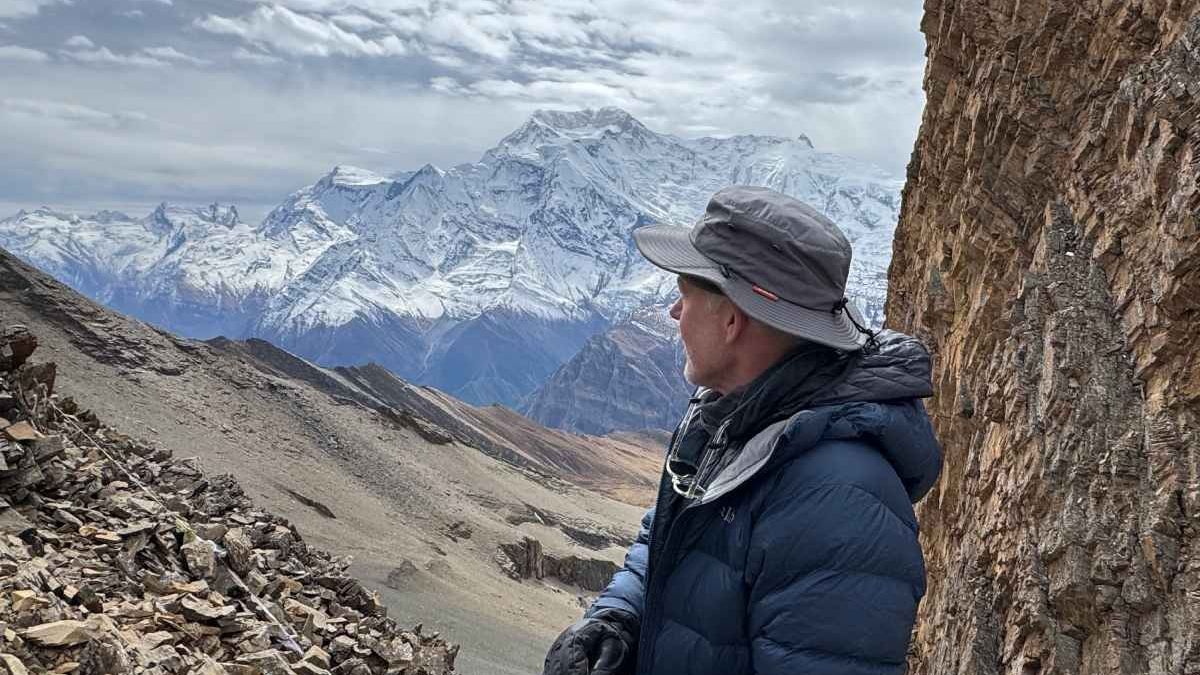
Is trekking in Nepal really that expensive? A plain breakdown of what actually drives trek costs, where prices get unclear, and what a transparent model looks like.
Ask ten people how much trekking in Nepal costs and you'll get ten different answers. Some say $500. Others say $2,000. A few just shrug and say, "It depends."
They're all technically right. And that's the problem.
Nepal trekking costs aren't hard to understand. The trails, the tea houses, the permits, the guides — the components are straightforward. What makes the whole thing feel expensive and unpredictable is how it gets packaged and presented. This post tries to sort that out.
Why the Costs Feel So Unclear
Most trekking operators quote a single all-inclusive price. One number, done. That sounds convenient.
But "all-inclusive" means different things depending on who's quoting it. Some include meals. Some don't. Some bundle accommodation with a markup built in. Porter fees sometimes appear separately and sometimes get absorbed into the guide cost.
When you're comparing a $600 quote from one operator to a $1,100 quote from another, it's genuinely hard to tell if the difference is justified. You don't know what's inside each number.
That's where most of the confusion comes from. Not the actual cost of trekking, but the lack of clarity around it.
What Nepal Trekking Actually Costs
When we strip away the bundling and think about the costs in a modular way, it breaks into a few clear categories.
Permits are fixed by the government. For the Annapurna region, international trekkers need the ACAP (Annapurna Conservation Area Permit) at NPR 3,000 and a TIMS card at NPR 2,000. The Everest region requires the Sagarmatha National Park permit at NPR 3,000. These numbers don't change between operators. If someone is charging more, they're adding a margin.
Guide fees are the most legitimate variable cost. A licensed local guide typically runs $20–30 per day. For a 9-day trek, that's $180–270 for the guide alone, before anything else.
Accommodation on major trekking routes is tea house based. A basic room costs NPR 300–800 per night depending on the route and altitude. It's a smaller part of the total than most people expect.
Transportation is often underestimated. Getting to a trailhead from Kathmandu and back at the end costs money. A shared jeep or bus to the Annapurna trailhead, or a flight to Lukla for Everest Base Camp, adds a real amount to the total.
Food and drinks is where daily costs vary the most. Tea houses charge per item. Dal bhat, soup, tea, snacks — it adds up differently based on altitude, your appetite, and what you order. At lower elevations, a day's meals might run $10–15. Near a high camp, the same food can cost twice as much.
Add all of this up honestly and a guided trek in Nepal is not cheap, but it's also not unreasonably expensive. The problem comes when these costs get bundled together without explanation.
Where Costs Seem Higher
A few patterns tend to push prices higher than they need to be.
When an operator pre-pays for your meals and rolls them into the package price, you're paying their rate, not the tea house rate. The margin disappears into the bundle. Some packages also include things many trekkers don't actually want or use — welcome dinners, extra hotel nights in Kathmandu, branded gear — presented as added value.
Guide and porter fees sometimes get listed as a combined number, making it impossible to know what either one actually costs.
This doesn't make operators dishonest by default. A lot of it is just how the industry defaults to selling. But it does make it hard for travelers to evaluate what they're paying for.
A Clearer Way to Think About the Costs
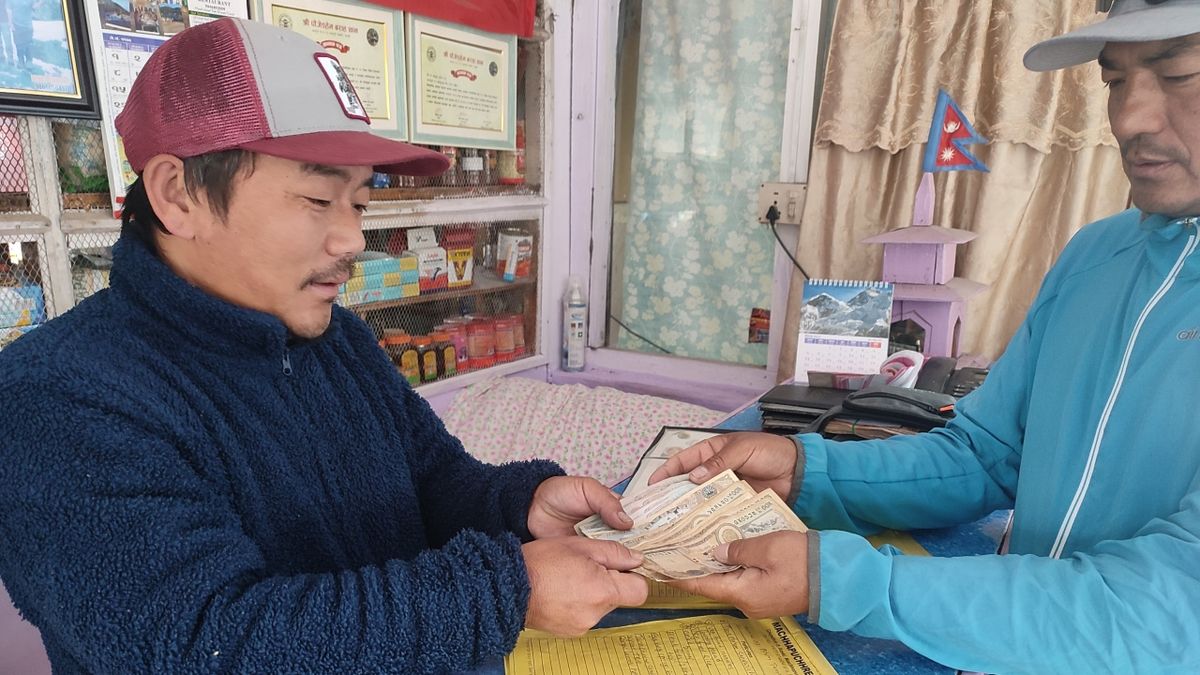
One approach that cuts through the confusion is separating what needs to be organized in advance from what you handle yourself on the trail.
The first category includes your guide, permits, transportation, and teahouse/lodge accommodation. These are logistics that require advance planning and professional handling for any trek in Nepal. They should be priced clearly and paid upfront.
The second category is personal daily spending on the trail: food, drinks, and any extras you choose. This varies by person and shouldn't be bundled into a fixed price that you pay before you even know what you'll eat.
Nepwise Adventures structures their treks this way. The essential logistics are covered in a fixed base package, priced and paid at booking. For instance, their 9-day Annapurna Circuit Trek comes to $355 per person and covers the guide, permits, transportation, on-trail accommodation, and all the logistics support required.
Food and drinks, porters, airport pickup/drop-off, and more such optional services are kept as add-ons. Those who want to include these in their package itself, they can. Those who want to handle these by themselves, they are encouraged to do so. And to help with budgeting, all estimated or fixed costs of those optional add-ons are clearly mentioned.
Paying for on-trail expenses like food/drinks directly to vendors also means your money goes straight to the local lodges and tea houses rather than passing through an operator's food budget first.
So Is Nepal Trekking Expensive?
Compared to what?
The cost of a 9-day guided trek on the Annapurna Circuit, with a licensed guide, all permits, accommodation, and transportation from Kathmandu to Pokhara, comes in at $545–625 per person if you manage food costs reasonably. That works out to under $70 per day for a guided high-altitude trek with everything organized.
Compared to a week of skiing in Europe or a guided trip through South America, that's not expensive.
What makes it feel expensive is when a single number shows up without context. $800 sounds high until you realize it covers nine days, a licensed guide, two government permits, accommodation across the route, and transport between two cities. $600 can seem like a bargain until you notice food isn't included and you haven't planned for it.
The cost of trekking in Nepal is not the real issue. The explanation of it usually is. Once you know what the number actually includes, the decision becomes a lot simpler.

Sanjiv Jaiswal
Co-founder | Technology & Growth Lead
Sanjiv leads technology and growth at Nepwise.
He works closely with guides, operators, and trekkers to design systems that bring clarity to trekking and travel logistics, pricing, and planning. His work focuses on making complex aspects of trekking in Nepal more transparent and understandable.
He is part of the team building Nepwise Adventures around the belief that adventure travel in Nepal should be easier to understand, more transparent, and centered on helping travelers make informed decisions.