Annapurna Circuit Trek - 9 Days

Highlights
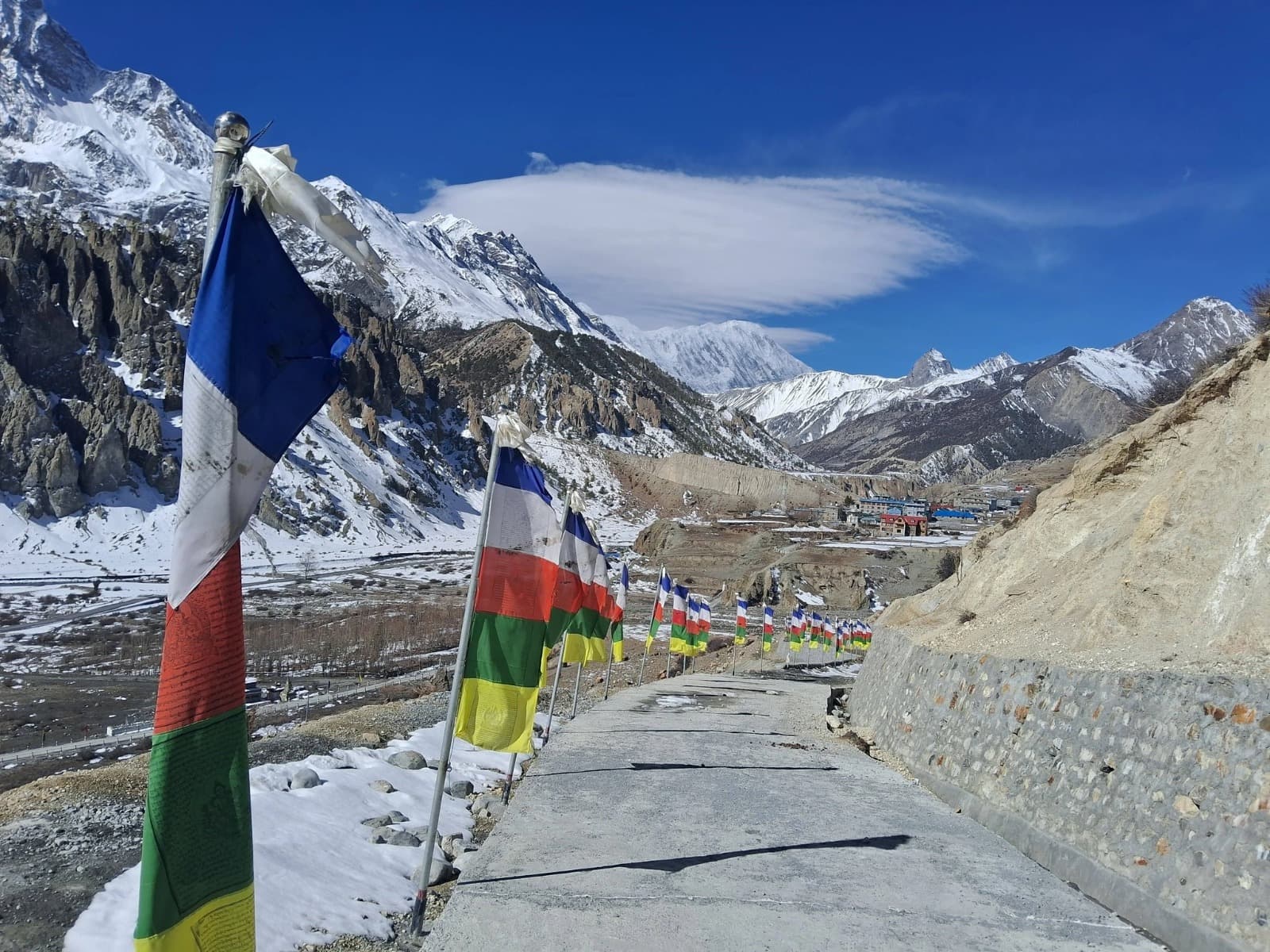
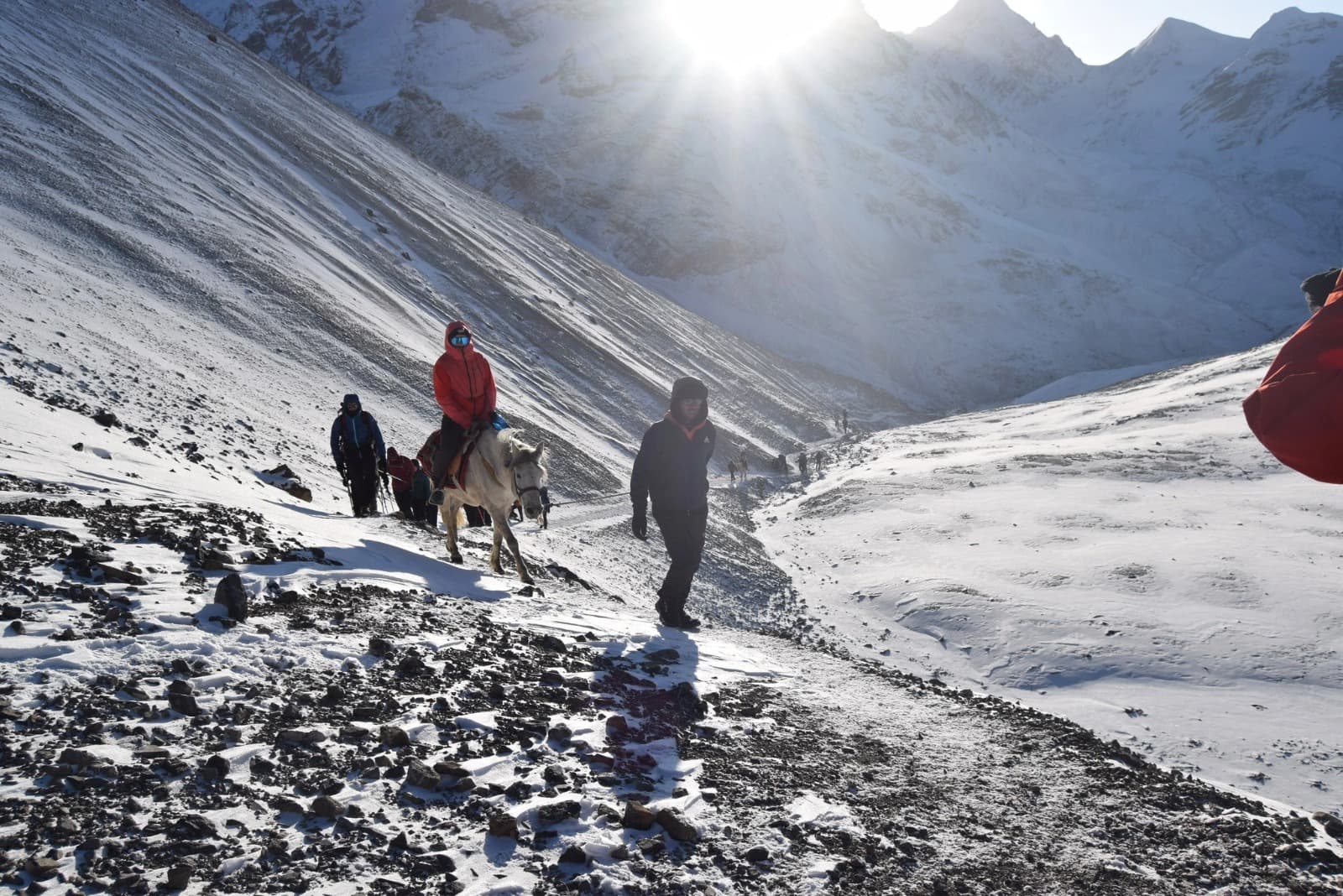
Cross the famous Thorong La Pass (5,416m), one of Nepal’s highest trekking passes
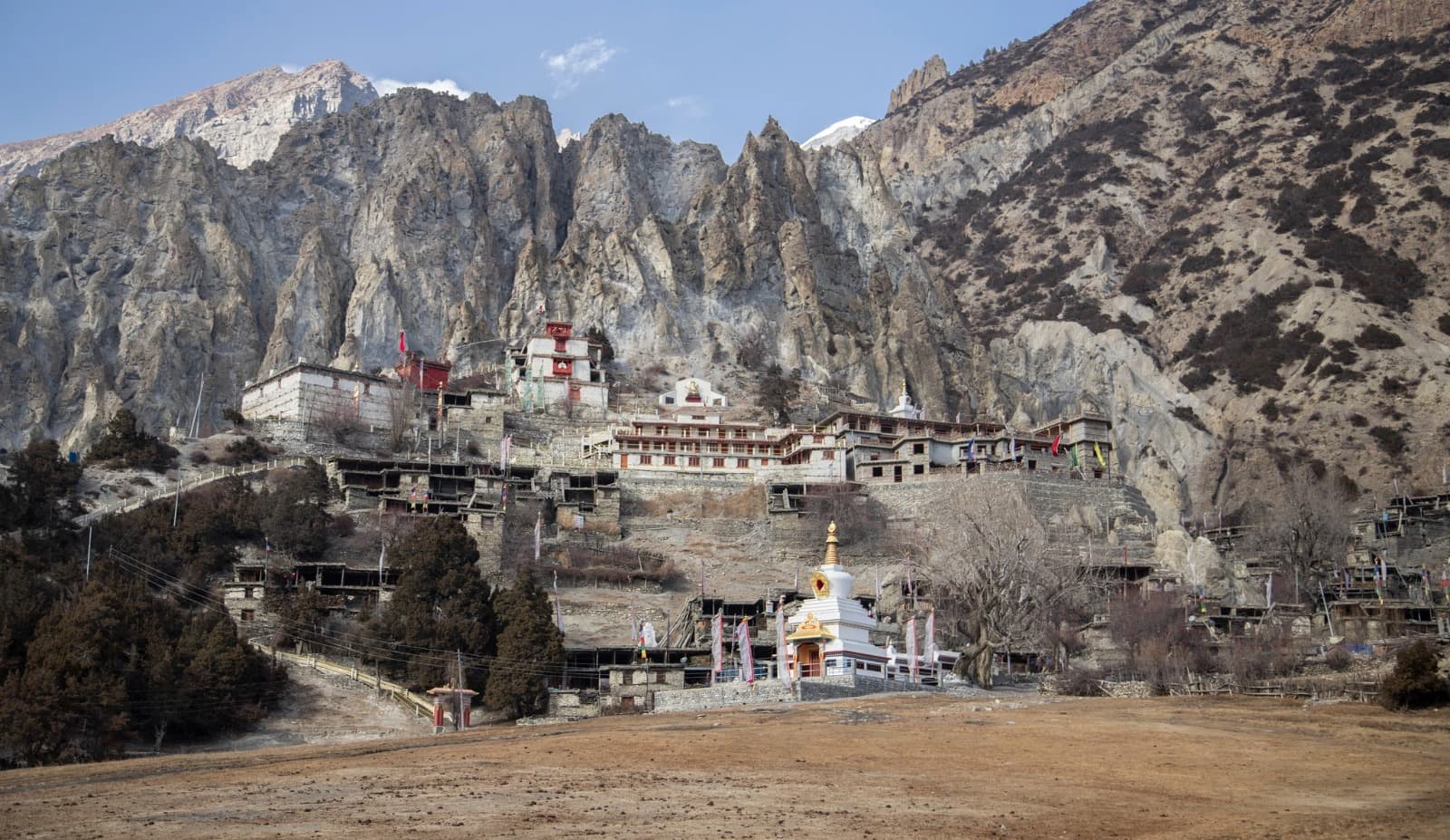
Walk through traditional mountain villages like Chame, Pisang, and Manang
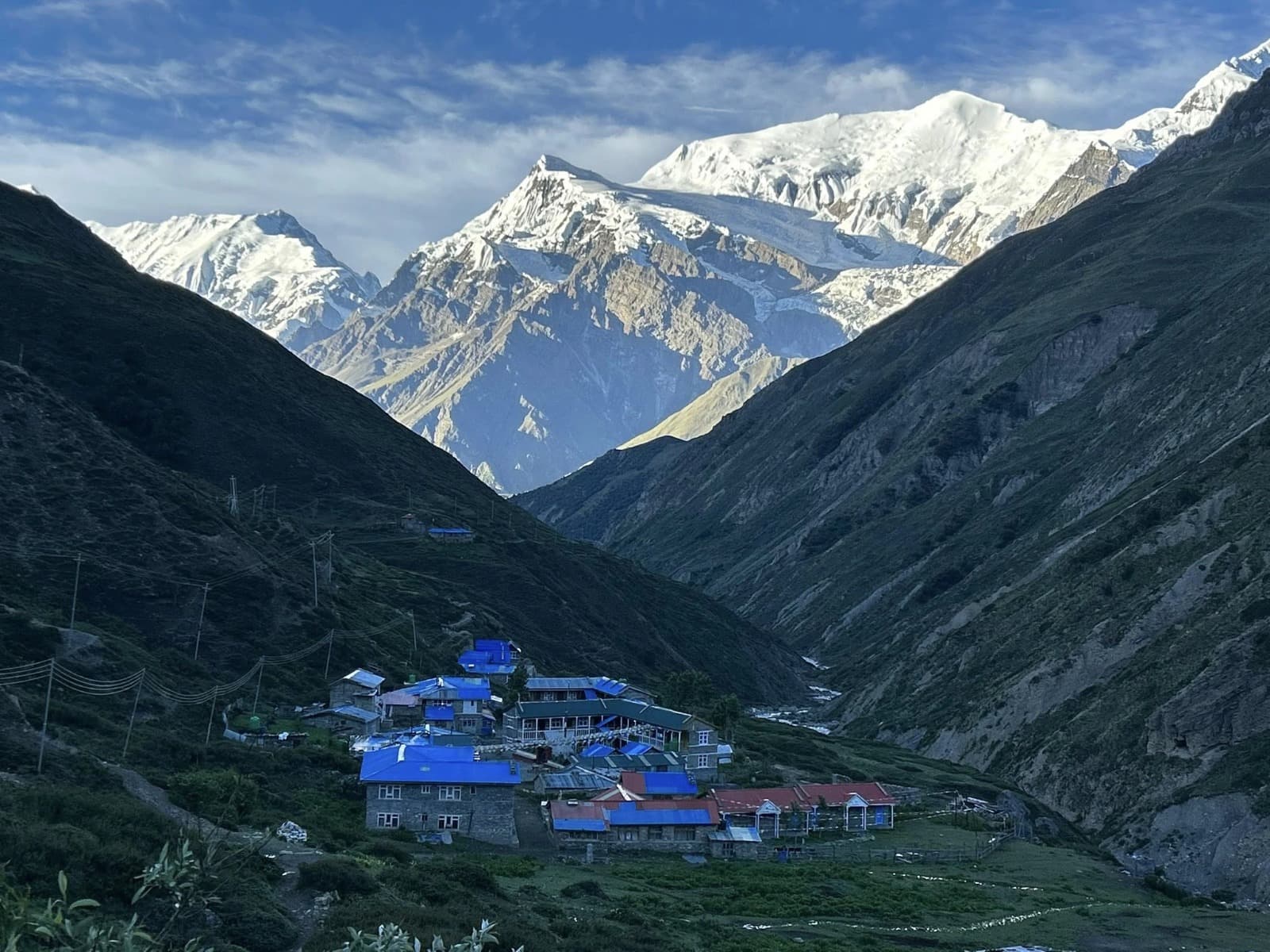
Experience changing landscapes from green forests to dry Himalayan valleys
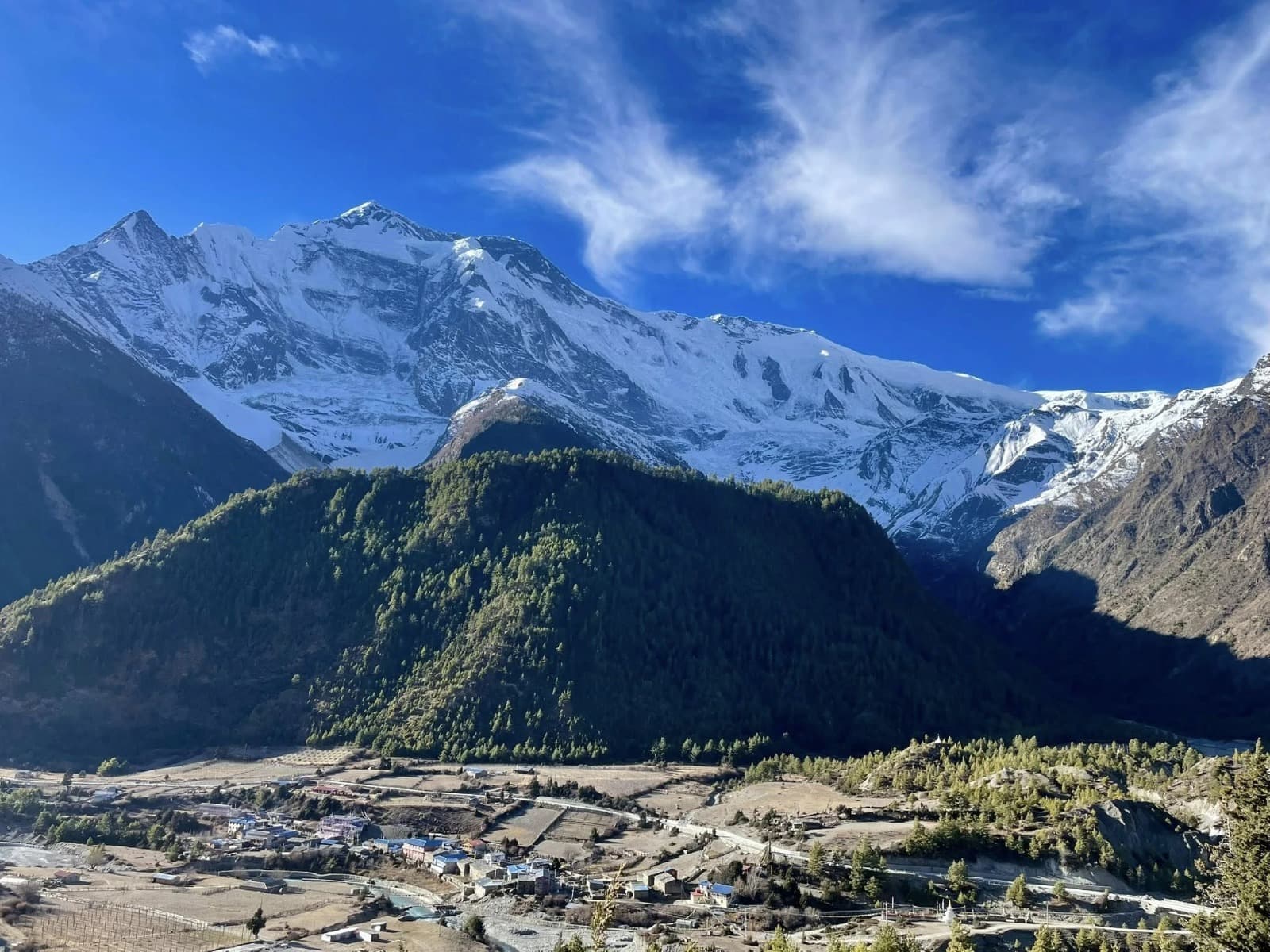
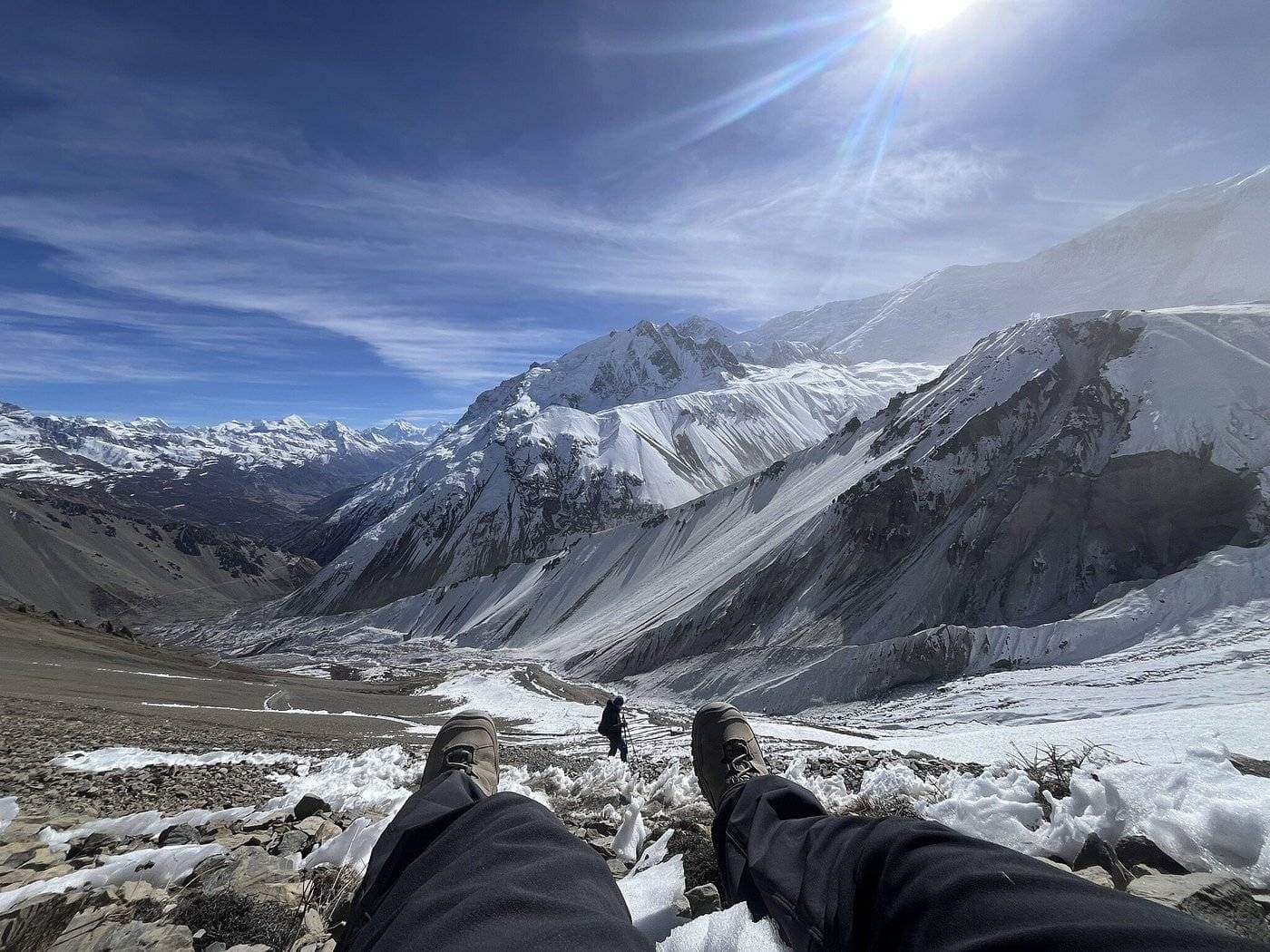
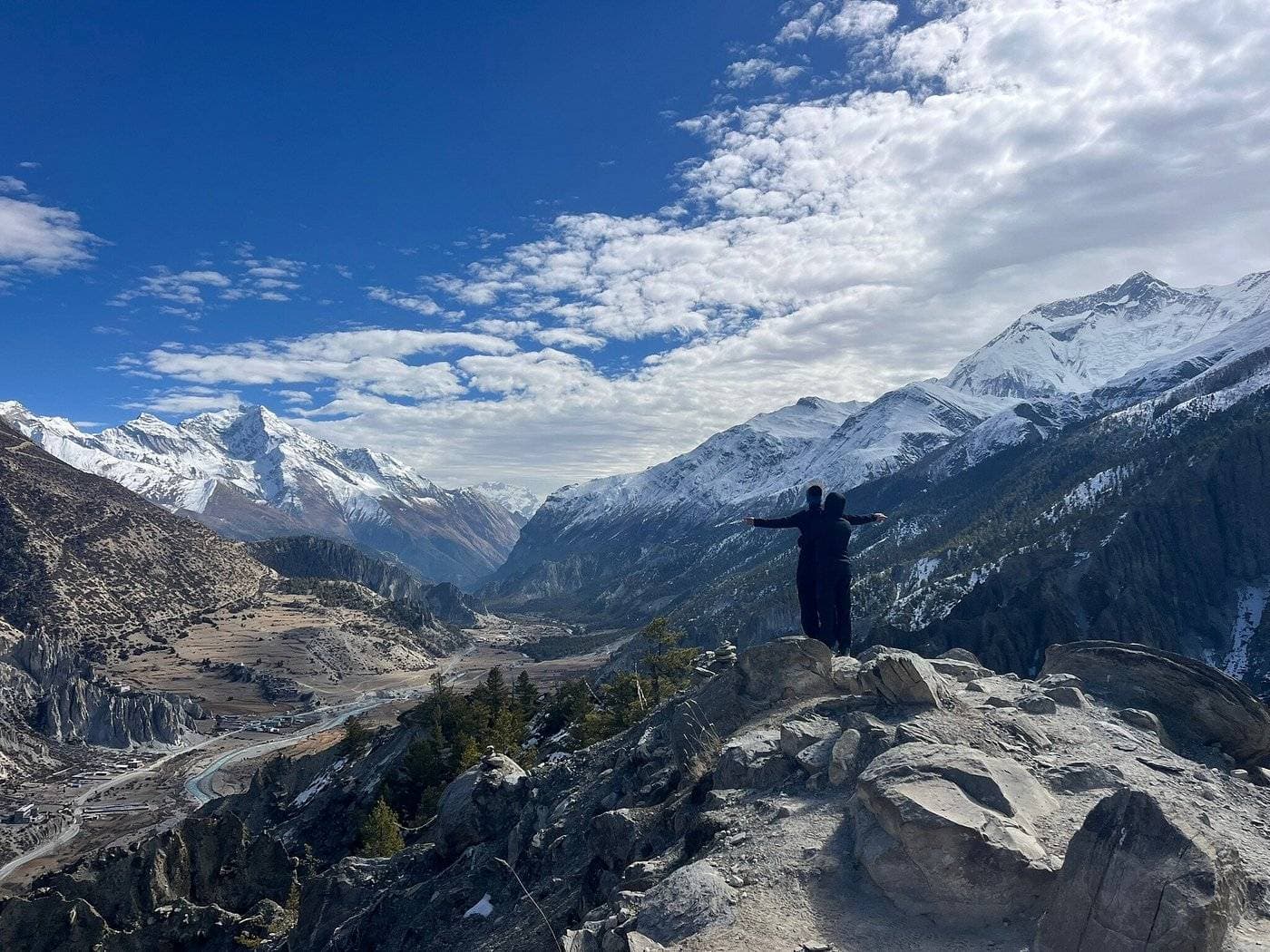
Enjoy close views of peaks like Annapurna, Dhaulagiri, Manaslu, and Tilicho Peak
Spend time acclimatizing in the beautiful mountain village of Manang
Visit the sacred pilgrimage site of Muktinath Temple in the Mustang region
Trek through the rain shadow area of the Himalayas with its unique Tibetan-influenced culture
Relax in natural hot springs at Tatopani after crossing the high pass
Annapurna Circuit Trek Overview
The Annapurna Circuit Trek is one of Nepal’s most diverse and rewarding trekking experiences. The route combines mountain scenery, traditional villages, high mountain passes, and constantly changing landscapes into one unforgettable journey.
We have designed this itinerary in a way that allows trekkers to experience the major highlights of the Annapurna Circuit within a shorter time frame while still maintaining proper acclimatization. The combination of driving and trekking helps make the trip more time-efficient without rushing the important altitude gain.
The journey begins with a drive from Kathmandu toward the Annapurna region before entering the Marsyangdi Valley. Along the way, the trail passes through beautiful villages such as Chame, Pisang, and Manang. As you go higher, the scenery slowly changes from green forests and river valleys into dry alpine landscapes surrounded by snow-covered Himalayan peaks.
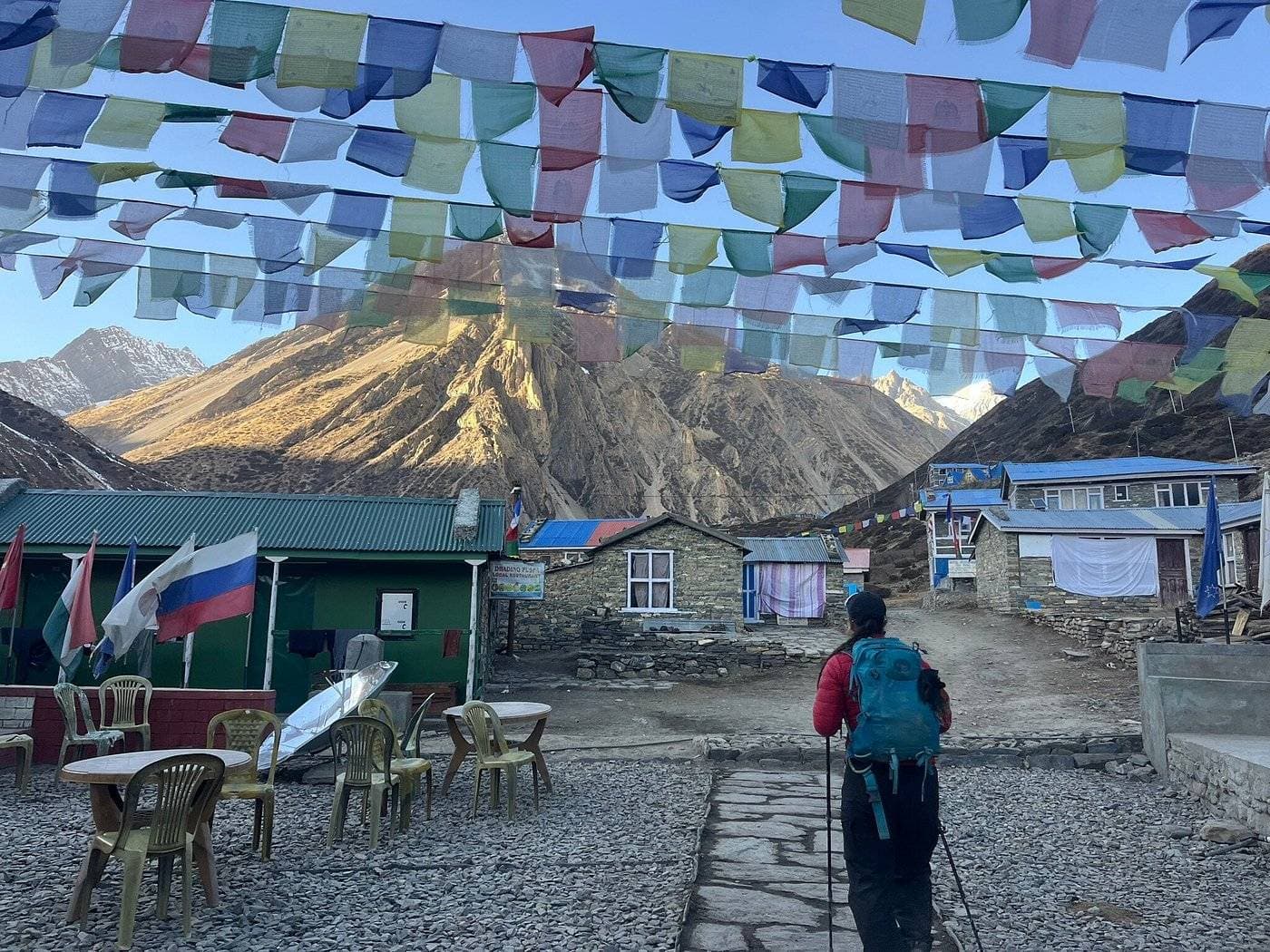
As the trek continues, the environment becomes more rugged and remote. Lower hills and forests are gradually replaced by stone villages, Buddhist prayer walls, yak pastures, and wide mountain valleys. Manang also serves as an important acclimatization stop before heading toward the higher parts of the trek.
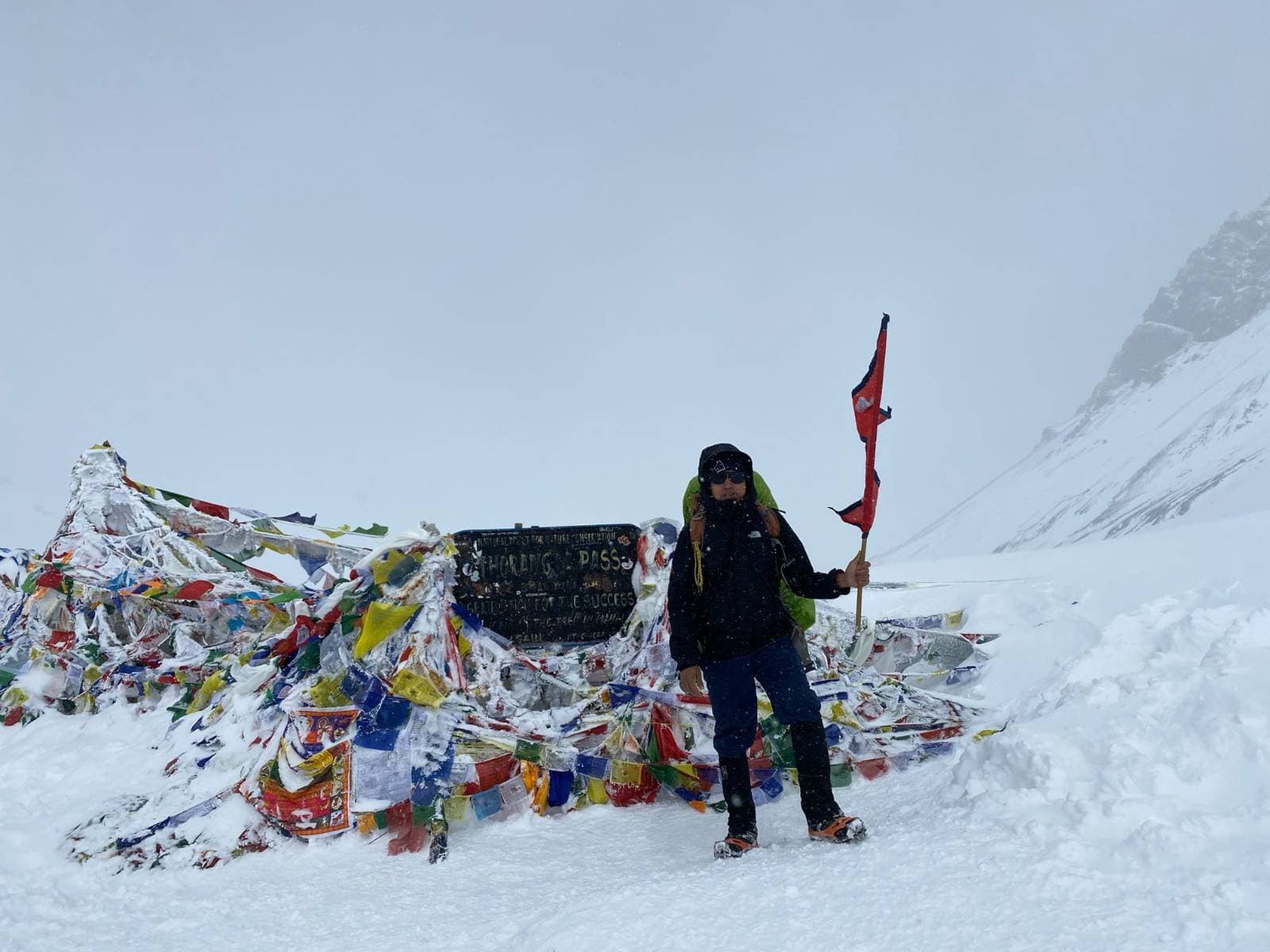
One of the biggest highlights of the journey is crossing Thorong La Pass (5,416m), one of the highest and most famous trekking passes in Nepal. The crossing can be physically challenging, but the mountain views and sense of achievement make it one of the most memorable parts of the trek.
After crossing the pass, the trail descends into the dry and dramatic landscape of the Mustang region before reaching Muktinath, an important pilgrimage site for both Hindus and Buddhists. From there, the journey continues with a scenic drive through the Kali Gandaki Valley toward Pokhara, passing through places like Jomsom, Marpha, Tatopani, and Beni.
Compared to shorter treks that focus on only one destination, the Annapurna Circuit offers a much wider Himalayan experience. The landscapes, climate, culture, and terrain continue changing throughout the journey, making every day feel different.
Itinerary

One day before the trek begins, there will be a short group briefing in Kathmandu. The exact briefing time and location will be shared with you after your booking is confirmed. Briefings are usually held at partner hotels or arranged meeting points depending on group coordination.
During the briefing, your guide will explain the trekking route, transportation plan, accommodation style, altitude progression, and important safety information. This is also a good opportunity to meet fellow trekkers, discuss any last-minute concerns, and check your trekking gear before the journey starts.
If you still need to rent or purchase trekking equipment, Kathmandu has many trekking shops where essential items can easily be arranged.
In the morning, you leave Kathmandu and begin the drive toward Besisahar, the traditional gateway to the Annapurna region. The journey follows winding highways alongside rivers, terraced hills, small towns, and rural settlements.
The drive usually takes around 6 to 8 hours depending on traffic and road conditions. Along the way, the landscape gradually shifts from the busy atmosphere of Kathmandu toward quieter hill villages and greener countryside.
By late afternoon, you arrive in Besisahar, a small riverside town where many Annapurna Circuit journeys traditionally begin.
Dinner and overnight stay will be at a local lodge in Besisahar.
After breakfast, you continue deeper into the Annapurna region by local shared jeep. The road follows the Marsyangdi River through steep valleys, waterfalls, forests, and mountain villages.
Compared to the previous day, the route becomes narrower and rougher, especially after Dharapani. As the drive gains altitude, the scenery changes noticeably, with pine forests, rocky cliffs, and snow-covered peaks beginning to appear more clearly.
After a long mountain drive, you arrive in Chame, the administrative center of Manang district. Chame is surrounded by forests and high Himalayan views, creating a very different atmosphere from the lower hills.
Dinner and overnight stay will be at a local lodge in Chame.
Today the trekking portion of the journey begins. Leaving Chame behind, the trail gradually follows the Marsyangdi River through pine forests and narrow valleys.
The route passes suspension bridges, rocky sections, and forested trails with occasional views of Annapurna II and surrounding peaks. As you continue higher, the valley slowly opens, and the landscape begins to feel more alpine.
After several hours of trekking, you reach Pisang, a traditional settlement divided into Lower Pisang and Upper Pisang. The village sits beneath dramatic mountain walls and offers wide Himalayan views.
Dinner and overnight stay will be at a local lodge in Pisang.
After breakfast, the trail continues toward Manang. Depending on the route and conditions, the trek may follow the higher trail through Upper Pisang for wider mountain views and a more scenic approach.
As you gain altitude, the landscape becomes noticeably drier and more open, reflecting the Tibetan-influenced terrain of the upper Annapurna region. Along the way, you pass small villages, stone-built houses, prayer walls, and open valleys surrounded by Himalayan peaks.
By afternoon, you arrive in Manang, one of the most important acclimatization stops of the trek. The village has bakeries, gear shops, cafes, and mountain lodges, while still maintaining its traditional mountain character.
Dinner and overnight stay will be at a local lodge in Manang.
Today is reserved for acclimatization and rest before moving toward higher altitude. Spending an extra day in Manang helps the body adjust gradually and reduces the risk of altitude-related problems later in the trek.
Rather than staying completely inactive, trekkers usually take a short acclimatization hike to higher viewpoints around Manang. Popular options include Gangapurna Lake, Chongkor Viewpoint, or nearby ridges overlooking the valley.
The rest of the day can be spent relaxing, preparing for the higher sections ahead, or exploring the village.
Dinner and overnight stay will be at a local lodge in Manang.
Leaving Manang behind, the trail gradually climbs into more open and rugged high-altitude terrain. Trees become fewer, vegetation becomes sparse, and the environment begins to feel noticeably more alpine.
The route follows steady uphill sections with wide mountain views and occasional sightings of grazing yaks and blue sheep along the hillsides.
Compared to earlier trekking days, the pace today is usually slower and more controlled due to the increasing altitude.
After several hours of trekking, you arrive at Yak Kharka, a small settlement surrounded by dry hills and Himalayan scenery.
Dinner and overnight stay will be at a local lodge in Yak Kharka.
Today is a shorter but important trekking day as you move closer to Thorong La Pass.
The trail gradually climbs through dry mountain terrain, crossing small bridges and landslide-prone sections along the way. The environment becomes increasingly barren and high alpine, with fewer settlements and stronger mountain conditions.
After reaching Thorong Phedi, some groups may stay there for the night, while others continue further uphill to High Camp depending on weather, group condition, and guide recommendation.
The rest of the day is usually spent resting and preparing for the early morning pass crossing.
Dinner and overnight stay will be at a local lodge in Thorong Phedi or High Camp.
Today is the highest and most physically demanding day of the trek.
The journey begins very early in the morning, usually before sunrise, to cross Thorong La Pass while weather conditions remain stable. The climb is gradual but challenging due to the high altitude and cold mountain environment.
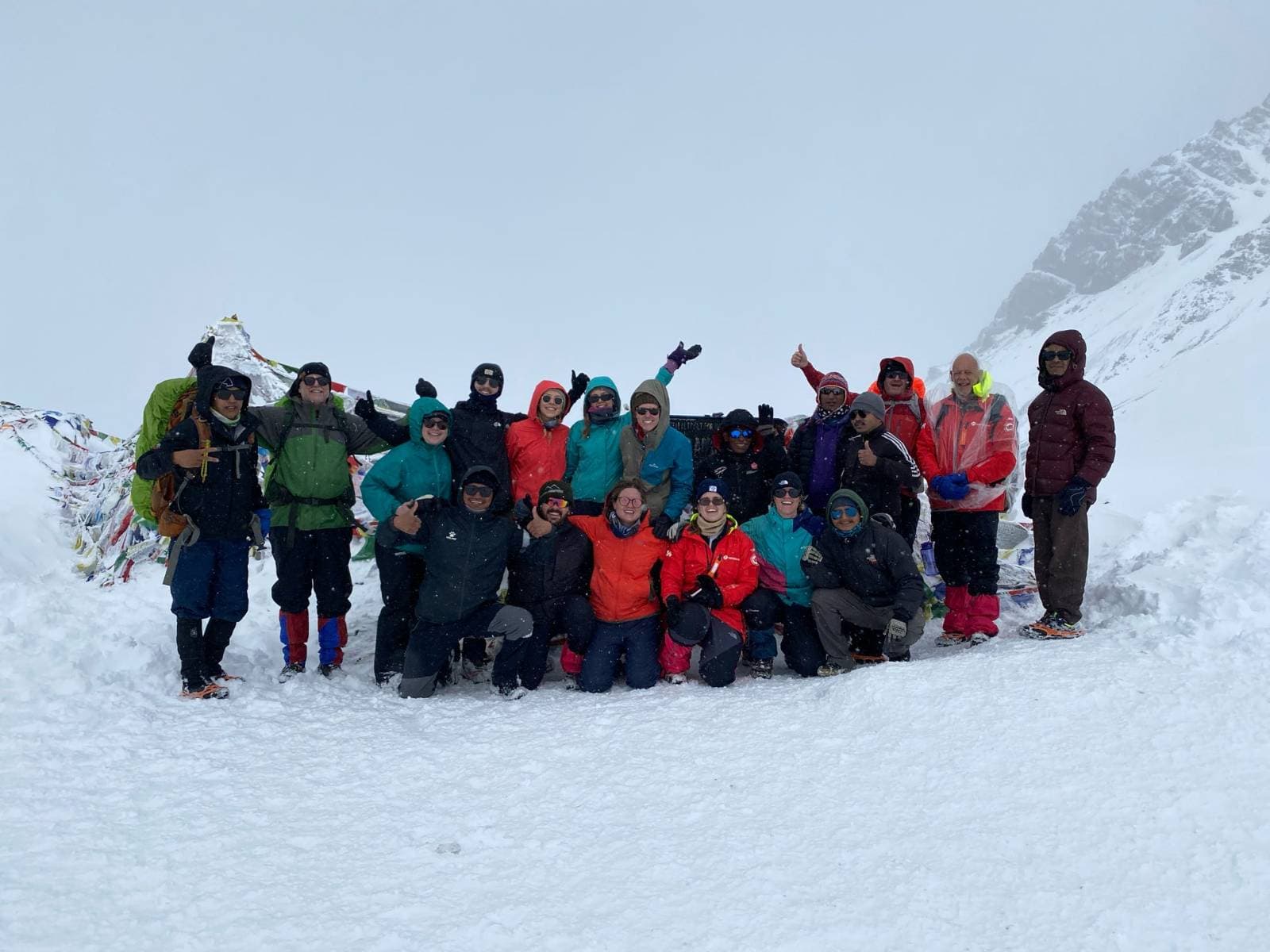
After several hours of steady ascent, you finally reach Thorong La Pass (5,416m), marked by prayer flags and panoramic Himalayan views. Reaching the pass is one of the major highlights of the Annapurna Circuit.
From the pass, the trail descends steeply toward Muktinath. As you lose altitude, the landscape changes dramatically into the dry Mustang region.
By afternoon, you arrive in Muktinath, an important pilgrimage site for both Hindus and Buddhists.
Dinner and overnight stay will be at a local lodge in Muktinath.
After breakfast, you begin the long but beautiful drive from Muktinath to Pokhara by local jeep, which usually takes around 8–10 hours depending on road and weather conditions.
The route follows the Kali Gandaki Valley, passing through places like Jomsom, Marpha, Tatopani, and Beni along the way. As you travel lower, the landscape slowly changes from the dry and windy Mustang region to greener hills, forests, riverside villages, and terraced farms.
Some parts of the road, especially between Muktinath and Beni, can be rough and bumpy, but the journey offers great mountain views and a chance to experience the changing scenery of the Annapurna region in a single day.
By evening, you arrive in Pokhara, where the trek officially ends beside the peaceful lakeside atmosphere of the city.
Map
Packing List
Upper Body
- Warm jacket (down or thick fleece)
- Light jacket or rain jacket (windproof and waterproof)
- Trekking shirts (2 to 3, quick dry)
- Thermal top
- Warm hat or beanie
- Sun hat or cap
- Gloves (1 light pair, 1 warm pair)
Lower Body
- Trekking pants (2 pairs)
- Thermal pants or leggings
- Waterproof pants
- Trekking boots
- Trekking socks
- Sandals or flip flops
Undergarments
- Quick dry underwear
- Sports bras (women)
First Aid and Medications
- Band-aids
- Altitude sickness medicine (if prescribed)
- Electrolyte packets
- Your personal medicines (bring extra)
Other Essentials
- Sunscreen (SPF 30 or higher)
- Lip balm with SPF
- Hand sanitizer
- Polarized Sunglasses
- Reusable water bottle
We will carry the medicines and first-aid kits during the trek. However, we recommend you bring additional items based on your personal preferences and the specific conditions of the trip.
Inclusions
What's Included In This Trip?
Annapurna Conservation Area Permit (ACAP) & Trekkers’ Information Management System (TIMS) card.
An experienced, licensed, and insured trekking guide who leads the trek and supports you throughout the journey.
8 nights of teahouse or mountain lodge accommodation during the trek.
Kathmandu to Besisahar (Local bus/Transport)
Besisahar to Chame (Shared Local Jeep)
Muktinath to Pokhara (Shared Local Jeep)
Your guide is trained to manage altitude related issues and coordinate support in case of illness or emergency.
Your guide is fully covered with travel and evacuation insurance during the trek.
Route planning, daily coordination, and on-trail assistance so you can focus on the trekking experience.
Permits
Experienced Guide
Accommodation during the Trek
Ground Transportation
Emergency Support
Insurance for Your Guide
Trek Coordination and Support
What's Excluded In This Trip?
Meals and drinks are not part of the base package
You may either add a meal plan in advance or pay directly at teahouses during the trek.
Porter service is not included in the base package.
You can add a porter during booking if you prefer support with your backpack.
Travel insurance covering high-altitude trekking is mandatory and must be arranged by you.
Personal expenses such as hot showers, charging, WiFi, and snacks are not included.
Tipping is part of the trekking culture in the mountains and is appreciated by guides and porters as recognition of their work.
Meals During the Trek (Optional Add-on)
Porter Services (Optional Add-on)
Your Travel Insurance
Personal Expenses
Tips for Staff
Fixed Departures
FAQs
General Trek Information
The trek is considered moderately to physically challenging, mainly because of the long trekking days and the crossing of Thorong La Pass (5,416m).
The full Annapurna Circuit usually takes around 9–12 days, depending on the route, side trips, and transportation choices.
The highest point is Thorong La Pass at 5,416 meters.
Spring (March to May) and autumn (September to November) are considered the best seasons for stable weather and mountain views.
Yes, beginners with good fitness and proper preparation can complete the trek with a well-paced itinerary.
Permits & Trekking Requirements
You need the ACAP (Annapurna Conservation Area Permit). TIMS may also be required depending on current trekking regulations.
Yes, all necessary trekking permits included in your package will be arranged by our team.
Yes. Current trekking regulations in Nepal require foreign trekkers to trek with a licensed guide in most trekking regions.
Yes, travel insurance with high-altitude trekking and emergency evacuation coverage is mandatory.
Accommodation & Meals
The accommodations on this trek are usually tea houses and mountain lodges with simple twin-sharing rooms.
Meals can be added as an optional add-on depending on the package you choose.
Tea houses offer a variety of meals including Dal Bhat, noodles, fried rice, soups, pasta, pancakes, eggs, and Tibetan bread.
Yes, boiled water and bottled water are available throughout the route, but they usually come at an additional cost.
Natural spring water can also be found along parts of the trail and is generally free, though proper purification is recommended before drinking.
Guides, Porters & Group Details
Yes, all our treks are led by experienced licensed trekking guides.
Yes, porter service can be added as an optional add-on in your base package. They will help carry your bags during the trek.
Each fixed departure group has a minimum of 1 and a maximum of 8 trekkers.
Yes, private departures can be arranged based on your preferred travel date and group size.
Yes, the Annapurna Circuit is one of Nepal’s popular trekking routes, so you will likely meet trekkers from different countries along the trail, especially during the main trekking seasons.
What You Pay & What to Budget
If you do not add the Food & Meals add-on, you will need to pay directly for your meals during the trek. You should also budget for drinks, charging, Wi-Fi, and a hot shower.
Around USD $30–$40 per day is generally recommended, depending on your choices and comfort level.
ATMs are limited and unreliable in higher mountain areas, so carrying enough cash is recommended.
Yes, food, drinks, and other services become more expensive as the altitude increases.
Most places only accept cash, especially in remote villages.
Health, Safety & Altitude
Yes, altitude sickness can affect trekkers above 3,000 meters, especially near Thorong La Pass.
The itinerary includes gradual altitude gain and acclimatization time in places like Manang.
Guides are trained to respond to altitude-related situations and can coordinate emergency evacuation if needed.
Evacuation and medical costs will be coordinated through your travel insurance provider.
No, but good physical fitness and preparation are very important.
Experience & Local Culture
The trek offers changing landscapes, high mountain passes, traditional villages, and a mix of Himalayan cultures in one journey.
You will pass through Gurung, Manangi, and Tibetan-influenced villages with unique traditions and lifestyles.
It is one of Nepal’s popular trekking routes, but the trail still feels peaceful.
The route includes forests, rivers, waterfalls, alpine valleys, snow peaks, dry Mustang landscapes, and mountain villages.
If you need to cancel your trip, our refund policy follows a simple step-by-step process. Make sure to check the terms before finalizing your plans.Learn more