Is it normal to pay daily expenses during a trek?

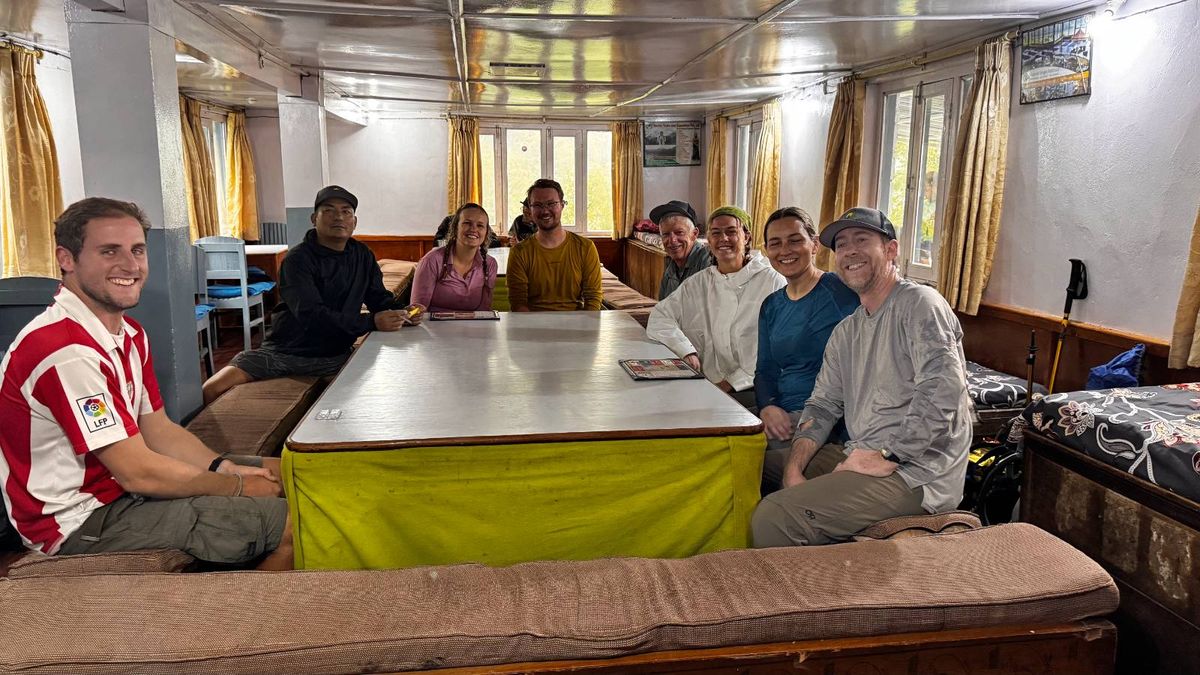
Yes, it is normal. In fact, for most teahouse treks in Nepal, this has been the standard way of trekking for decades.
For many trekkers coming to Nepal for the first time, this question comes up quietly but often.
Is it normal to pay for food, accommodation, and small things day by day during a trek in Nepal?
Yes, it is normal. In fact, for most teahouse treks in Nepal, this has been the standard way of trekking for decades. Understanding why this system exists helps remove a lot of confusion, especially if you are used to fully prepaid travel elsewhere.
How trekking traditionally worked in Nepal
Before trekking became more packaged and commercial, most routes in Nepal developed around local villages. Teahouses, lodges, and small shops grew slowly along these trails. Prices were set locally, often depending on altitude, season, and access.
Trekkers would walk, choose or pre-book lodges for the nights, eat where they stayed, and pay directly. Guides and porters were paid separately, either daily or for the full trek. This system was simple and transparent.
Many experienced trekkers still prefer this approach because it keeps decisions on the trail and money flowing directly to local businesses.
What expenses are usually paid daily on the trail
On a typical teahouse trek, daily expenses usually include:
- Lodging: A basic room in a teahouse. On some popular routes, a few places also offer more comfortable or luxury options.
- Food: Breakfast, lunch, dinner, and snacks. Menus are similar across lodges, but prices increase as you go higher.
- Drinks: Tea, coffee, bottled or filtered water, soft drinks, and sometimes alcohol.
- Hot showers: Usually charged separately, and more expensive at higher altitude.
- Device charging: Phones, cameras, power banks.
- Wi-Fi: Either paid at the lodge or via access cards in some areas.
Guide and porter fees are normally agreed in advance and are not part of these daily lodge payments.
Why prices change as you go higher
One thing that surprises many trekkers is how quickly prices increase with altitude.
This is not random. Above road access, everything is carried by people or animals. A plate of dal bhat that costs around $4–5 in a lower village can cost $7–9 or more at places like Gorak Shep. Bottled water can go from $1 to $4.
Season also matters. During peak trekking months, prices can be slightly higher due to demand. In off-season, some lodges close and prices may be negotiable in lower areas.
How daily payment helps in real situations
Daily payment is not just tradition. It allows flexibility when things change.
For example, a trekker in Namche Bazaar at 3,440 meters starts feeling tired and loses appetite. Instead of forcing a full dinner, they can order just soup and tea, rest, and pay only for what they actually consume.
With fully prepaid meals, that flexibility disappears. The meal is already paid for, whether it is eaten or not.
This becomes even more important at altitude, where listening to your body matters.
Where confusion usually comes from
Most confusion around daily expenses comes from expectations not being set clearly.
Trekkers are often surprised by extra charges for basic things like charging devices, hot showers, or Wi-Fi. Others underestimate how much prices rise as they go higher.
These are not hidden tricks. They are part of how remote mountain infrastructure works. A good guide explains this clearly during the initial briefing and gives a rough idea of daily costs at different altitudes.
How much cash should you expect to spend daily
As a rough guideline:
- Everest region: Around $35–50 per day for lodging, meals, drinks, and basic amenities.
- Annapurna region: Around $30–40 per day, as prices are slightly lower.
This does not include guide or porter fees, which are usually arranged separately.
Carrying a bit extra for treats, snacks, or souvenirs is always wise.
Do trekkers regret prepaid meals?
Many trekkers regret prepaid meals, especially on teahouse routes.
Common reasons are loss of appetite at altitude and boredom with fixed menus. Trekkers often notice others in the same lodge enjoying different food choices while they are locked into a prepaid set meal.
Prepaid meals make sense in very remote camping treks where food must be carried by the team. In standard teahouse regions, they are often more about operator convenience than real benefit for the trekker.
So, is paying daily expenses a good thing?
For solo or independent-minded trekkers, it usually a good thing to pay daily expenses.
Paying daily keeps spending transparent. You pay for what you eat, where you sleep, and what you use. It also allows you to adjust based on weather, health, or simple preference.
Some trekking systems like Nepwise Adventures today handle permits, guides, and transport in advance while keeping daily expenses flexible on the trail. This reflects how trekking in Nepal has worked for a long time, while still meeting modern regulations.
Final thoughts
Paying daily expenses during a trek in Nepal is normal, practical, and deeply connected to local trekking culture. It does not mean lack of planning or support. It simply means flexibility stays where it belongs, on the trail, one day at a time.

Jeevan Lama
With 15+ years of direct experience in trekking operations and field coordination, he brings deep practical knowledge of Nepal’s trekking routes, safety protocols, and logistics. At Nepwise Adventures, he oversees trek operations, guide coordination, and on-ground execution, ensuring that every trek follows responsible practices and meets professional safety standards.