8 Days Langtang Valley Trek Under $500 (Cost Breakdown)

Planning the Langtang Valley Trek on a budget? Here's a clear, honest cost breakdown for the 8-day route, and how to do it under $500 without cutting what actually matters.
Many trekkers searching for a budget Langtang Valley Trek are surprised to find most providers quoting well above $500. So the question comes up: can you actually do an 8-day standard Langtang trek without spending that much?
Yes, you can. And no, it doesn't mean a compromised experience.
Why Langtang Deserves More Attention
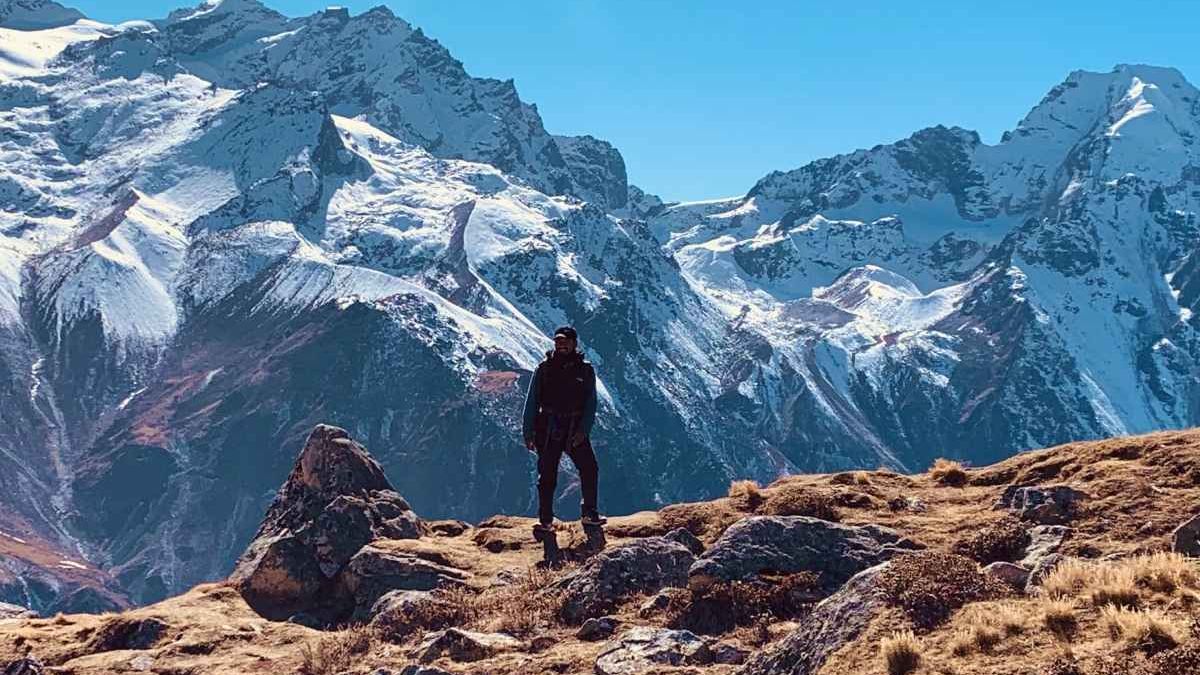
The Langtang Valley is one of the closest major trekking destinations to Kathmandu, yet it remains far less crowded than Annapurna or Everest circuits. The trail takes you through rhododendron forests, traditional Tamang villages, high ridges, and eventually up to Kyanjin Ri at 4,773 meters, with sweeping views of Langtang Lirung and surrounding peaks.
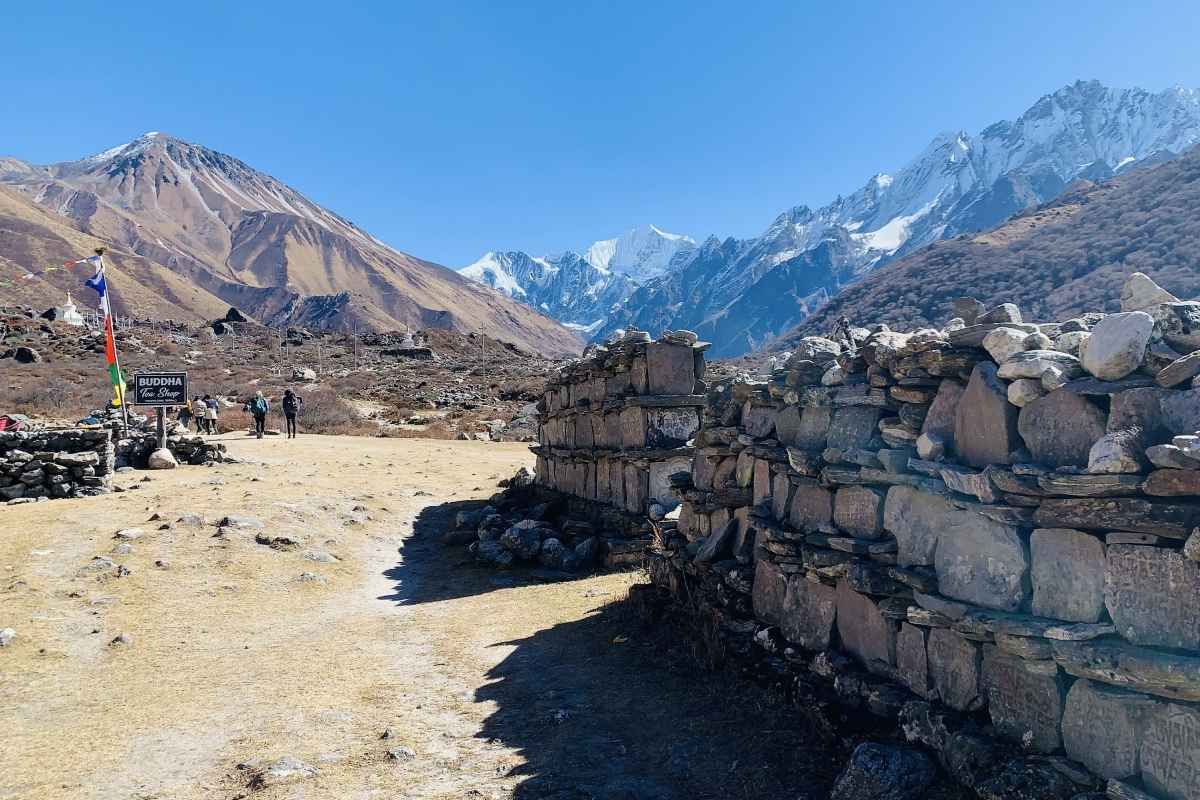
For the experience it offers, Langtang is genuinely underrated. And from a budget standpoint, it's also one of the more accessible treks in Nepal.
The 8-day itinerary starts and ends in Kathmandu, which removes the need for a separate flight to Pokhara. That alone saves some money compared to treks in the Annapurna region.
Why Most Packages Cost More Than They Should
The typical way trekking is sold in Nepal involves a single bundled price that covers everything: guide, permits, transport, accommodation, and meals. On the surface, this looks convenient. And the majority of trekkers go with such packaged plans, and that’s completely fine.
But for those who want more control over their budget or those with the independent mindset, when you look closer, you're paying a fixed amount regardless of how much you actually eat, whether you use every included service, or how much you personally value each item in the package.
The result is that many trekkers end up overpaying for services they didn't fully use, or paying for flexibility they never had.
The Real Cost of an 8-Day Langtang Trek
When you separate essential logistics from personal on-trail expenses, the numbers look quite different. Here's a clear breakdown.
Essential Logistics (Fixed, Paid Upfront)
These are the non-negotiables: a licensed local guide, the required trekking permits such as the Langtang National Park entry, and shared jeep transport from Kathmandu to Syabrubesi (the trail starting point) and back. These need to be organized in advance for the trek to run safely and smoothly.
Typical pricing based on group size for these essential logistics:
- Solo (1 person): USD 240
- Small group (2–4 people): USD 204 per person
- Larger group (5–10 people): USD 195 per person
This covers the guides, all required permits, both-way transportation, trek coordination, emergency support, and government taxes. Nothing hidden.
On-Trail Expenses (Flexible, Paid Directly on the Trail)
These are the costs you handle yourself while trekking. You pay the teahouses and local service providers directly, which keeps the transactions visible and the money where it belongs.
Teahouse accommodation (7 nights, twin-sharing): Around $50 total, roughly $7 per night. The Langtang trail has well-established teahouses throughout, especially around Lama Hotel, Langtang Village, and Kyanjin Gompa.
Food and drinks: This is the most variable part of any trek budget. Standard meals, think dal bhat, noodles, soups, along with breakfast and a couple of hot drinks per day, typically come to about $25 to $30 per day. Over 8 days, budget around $190 to $250 depending on your appetite and ordering habits. If you eat light, you'll be at the lower end. If you tend to order extras, factor in a bit more.
Porter (optional): Many trekkers on the Langtang trail carry their own bags without much difficulty, particularly on a well-graded route like this. If you'd prefer a porter, a shared one (split between two trekkers) costs around $70.
Realistic Budget Summary
Here's what the full 8-day trek looks like for a guided solo trekker:
| Item | Estimated Cost (USD) |
|---|---|
| Essential logistics | $240 |
| Teahouse accommodation (7 nights) | $50 |
| Food and drinks (8 days) | $190–$230 |
| Porter (optional, shared) | $70 |
| Total (without porter) | ~$480–$520 |
| Total (with porter) | ~$550–$590 |
Without a porter and eating at a moderate pace, you're comfortably within or just at the $500 mark as a solo trekker. In a group of two or more, the logistics cost per person drops, which pulls the total down further.
For a pair of trekkers sharing a porter, the per-person cost comes in well under $500 even including everything.
A few small extras to keep in mind: Wi-Fi, hot showers, and device charging at teahouses are typically $1 to $3 each and not included in accommodation. These add up if used daily, so factor in $20 to $40 for the full trek if you plan on using them regularly.
A Note on Meals at Teahouses
One thing worth knowing before you go: on the Langtang trail, as with most trekking routes in Nepal, teahouses typically expect guests to have their meals there. This is standard practice, not a restriction. Meals are the primary income source for teahouse owners, and the accommodation pricing is built around that assumption.
If you eat elsewhere and skip the teahouse kitchen, some places may charge extra for the room. It's just the way the system works up there, and it's worth knowing in advance so there's no confusion on the trail.
What You're Not Cutting
Being under $500 on this trek doesn't mean you're making sacrifices that matter.
You're still trekking with a licensed, experienced local guide. Your permits are properly handled. You have transport both ways covered according to the itinerary. Teahouses along the Langtang route are decent, with warm food and functioning facilities at most stops.
What you're not paying for is the operator’s “convenience” markup built into bundled packages. When you pay for accommodation and meals directly at each teahouse, that money goes straight to the local family running it. No intermediary, no inflated rate, no percentage kept by the agency. This is how trekking in Nepal actually works at the trail level, and it's a more honest way to do it.
Travel Insurance: Don't Skip This
Regardless of how carefully you manage your trek budget, travel insurance is one cost that shouldn't be trimmed. For a high-altitude trek like Langtang, reaching nearly 4,800 meters at Kyanjin Ri, your policy needs to cover emergency evacuation, helicopter rescue if needed, and high-altitude sickness.
A suitable policy generally costs somewhere between $50 and $150 depending on your home country and the coverage level. Budget for this separately, outside your trek costs.
Planning the Langtang Trek This Way
If this kind of transparent, no-bundle approach makes sense to you, you should explore operators like Nepwise Adventures who work around this model.
Nepwise Adventures organizes the Langtang Valley Trek on exactly this model. You pay upfront only for the essential logistics: guide, permits, and transport. You get the freedom to handle everything else, with full visibility into what you're spending and who you're paying.
No vague all-inclusive price. No hidden margins in the daily costs. Just a clear structure that reflects how trekking in Nepal actually works.
For the full 8-day Langtang Valley trek plan with this model, you may visit: Langtang Valley Trek 8 Days Trek
Jeevan Lama
With 15+ years of direct experience in trekking operations and field coordination, he brings deep practical knowledge of Nepal’s trekking routes, safety protocols, and logistics. At Nepwise Adventures, he oversees trek operations, guide coordination, and on-ground execution, ensuring that every trek follows responsible practices and meets professional safety standards.