Langtang Valley Trek - 8 Days

Trip Highlights
Scenic local jeep drive from Kathmandu to Syabrubesi, the starting point of the Langtang Valley trek
Walk through rhododendron, bamboo, and oak forests following the Langtang Khola River
Pass traditional Tamang villages with Tibetan influenced culture and warm mountain hospitality
Reach Langtang Village at 3,430 m and learn about the community rebuilt after the 2015 earthquake
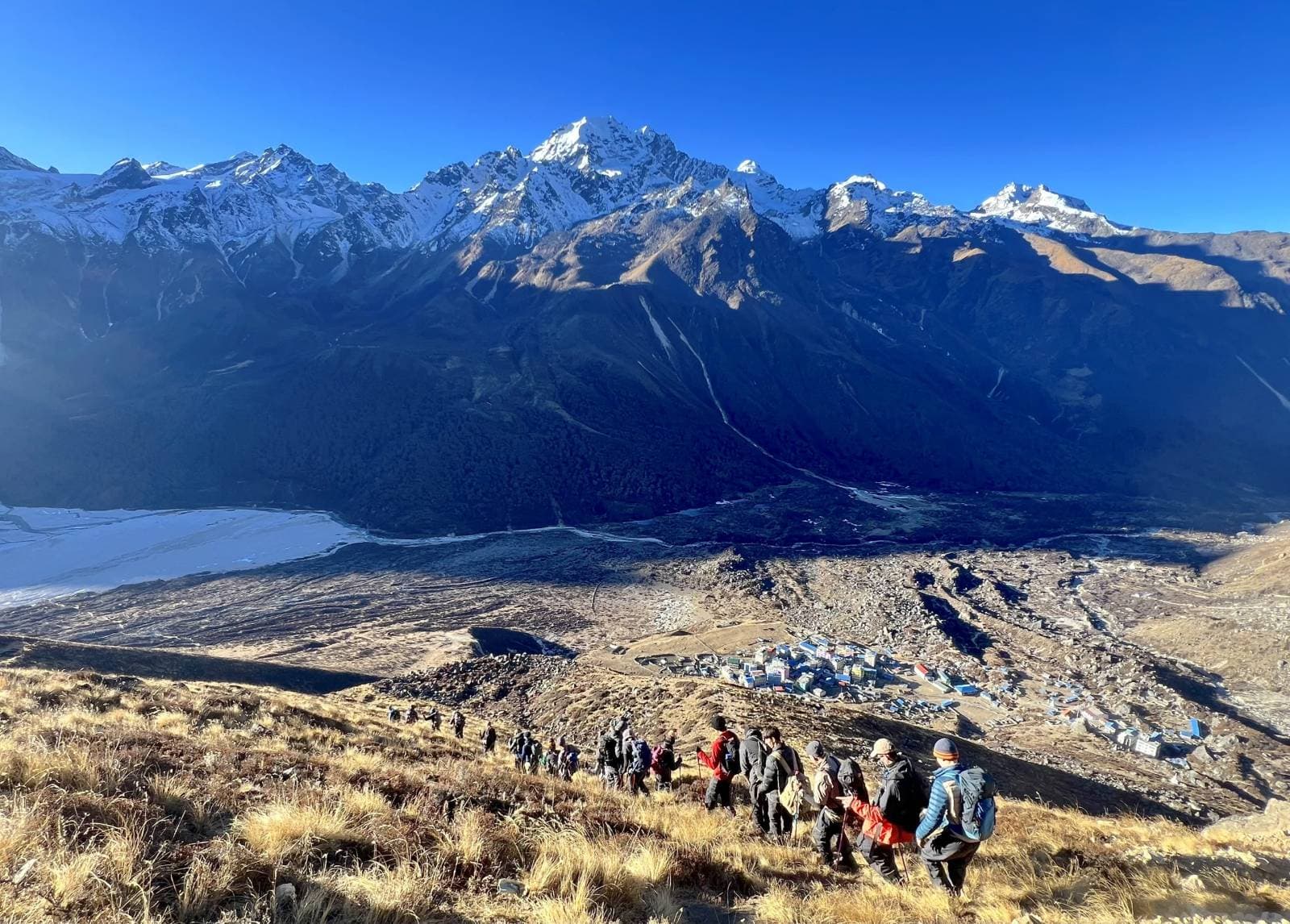
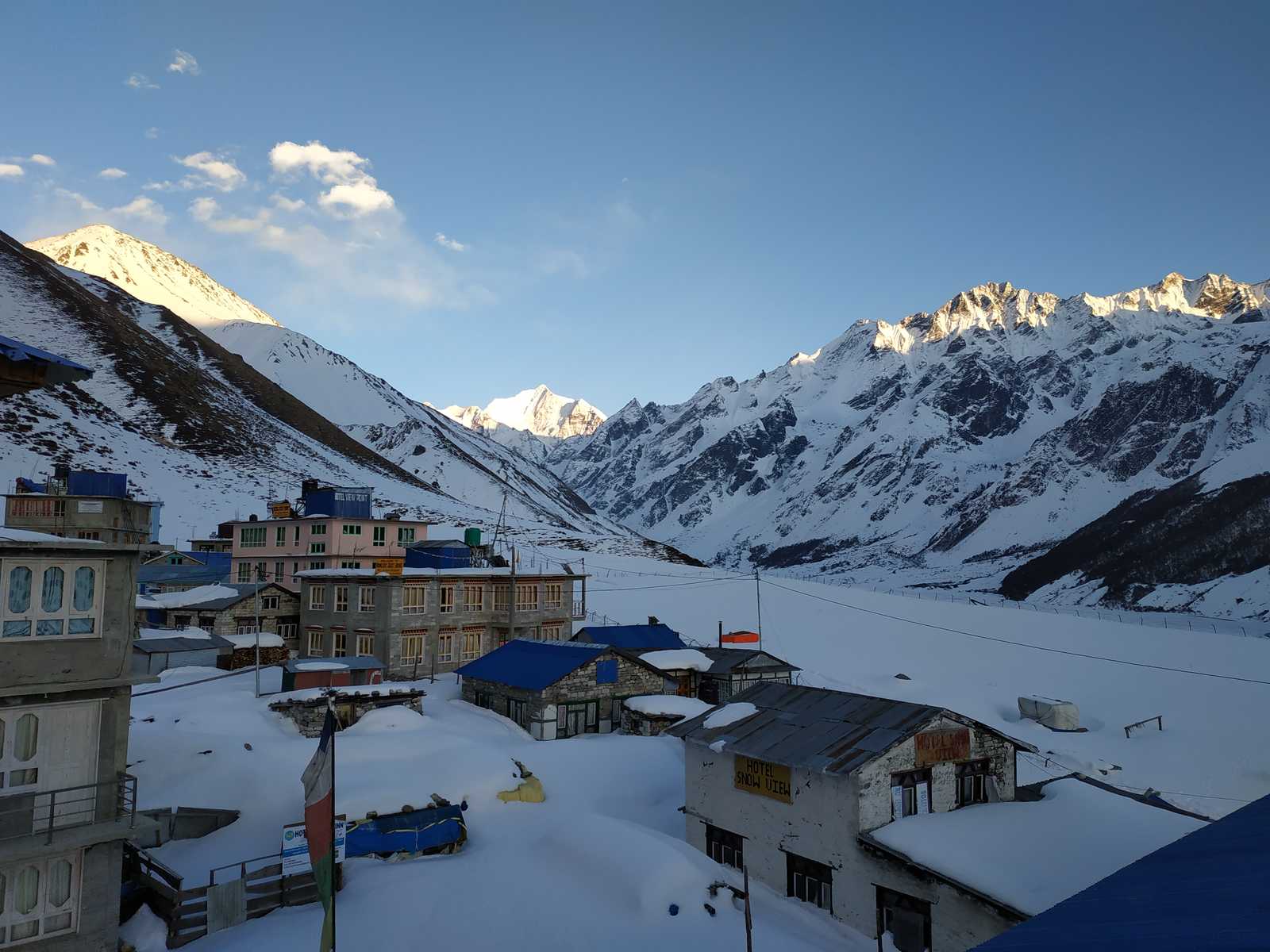
Explore Kyanjing Gompa at 3,870 m, home to a monastery and local yak cheese production
Hike to Kyanjing Ri at 4,770 m for wide views of Langtang Lirung, Dorje Lakpa, and surrounding peaks
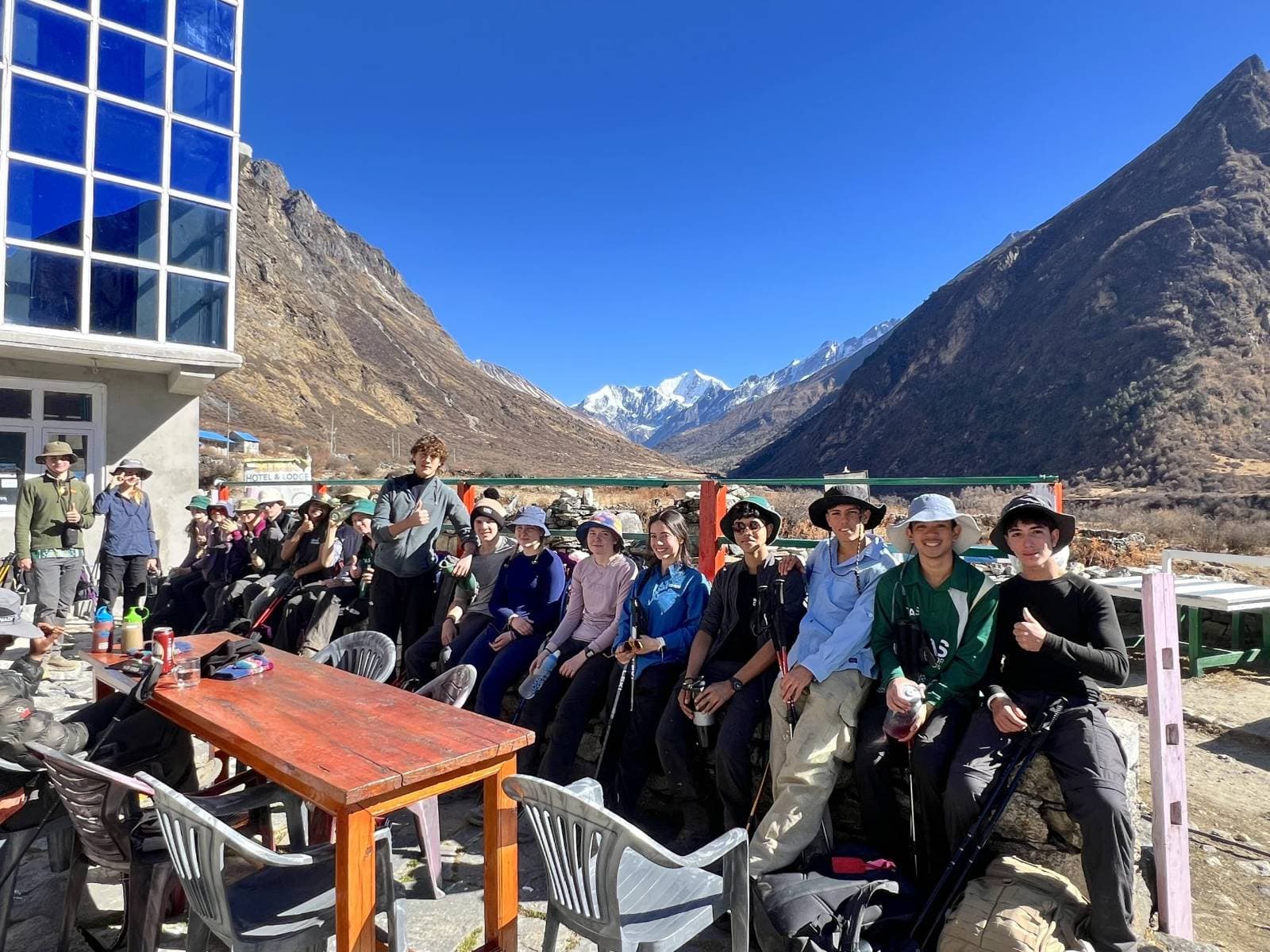
Stay in simple tea houses and connect with local people along the trail
Langtang Valley Trek Overview
The Langtang Valley Trek is one of Nepal’s most rewarding short treks, offering a strong mix of mountain scenery and local culture within a manageable timeframe. Although it lies close to Kathmandu, the valley feels quiet and remote, with peaceful trails and wide alpine views.
The journey begins with a local jeep drive from Kathmandu to Syabrubesi. From here, the trail follows the Langtang Khola through forests and small settlements before gradually opening into higher alpine landscapes. As you gain altitude, yak pastures, stone houses, and snow covered peaks begin to dominate the scenery.
Along the way, you stay in tea houses run by local Tamang families, experiencing daily life shaped by Tibetan influenced traditions and mountain living. The trek reaches its high point at Kyanjing Gompa, a calm village surrounded by glaciers and peaks. A side hike to Kyanjing Ri offers some of the best panoramic views in the Langtang region.
The Langtang Valley Trek is ideal for trekkers looking for a shorter Himalayan experience without compromising on scenery or cultural depth. It is a well-paced journey that balances nature, village life, and high mountain views in a simple and meaningful way.
Itinerary

One day before the trek begins, there will be a short group briefing in Kathmandu. The briefing will be held at Hotel Kailash Kutee, which will serve as the fixed meeting point for the Langtang Valley trek.
During the briefing, your guide will explain the trekking route, daily walking plan, accommodation style, and important safety information related to altitude and trail conditions. This is also the time to meet your group members and ask any trek related questions. Your guide will check your trekking gear and help you arrange any missing items if required.
Note: Please bring a passport-sized photo, your original passport, and a readable copy of your travel insurance to the briefing. These documents are required for trekking permits and the necessary paperwork. You will also sign the trip agreement and non-liability form.
Early in the morning, you will leave Kathmandu in a local shared jeep and drive toward Syabrubesi, the starting point of the Langtang Valley trek. The drive takes about 7 to 8 hours, following the Trishuli River for most of the journey.
As you move away from the city, the scenery slowly changes from busy towns to hills, rivers, and rural villages. You will pass through small settlements and terraced farmland, with short stops along the way for tea and lunch.
By late afternoon, you will arrive at Syabrubesi (1,550 m), a small village at the edge of Langtang National Park. You will check into your lodge, have dinner, and rest for the night before starting the trek the next day.
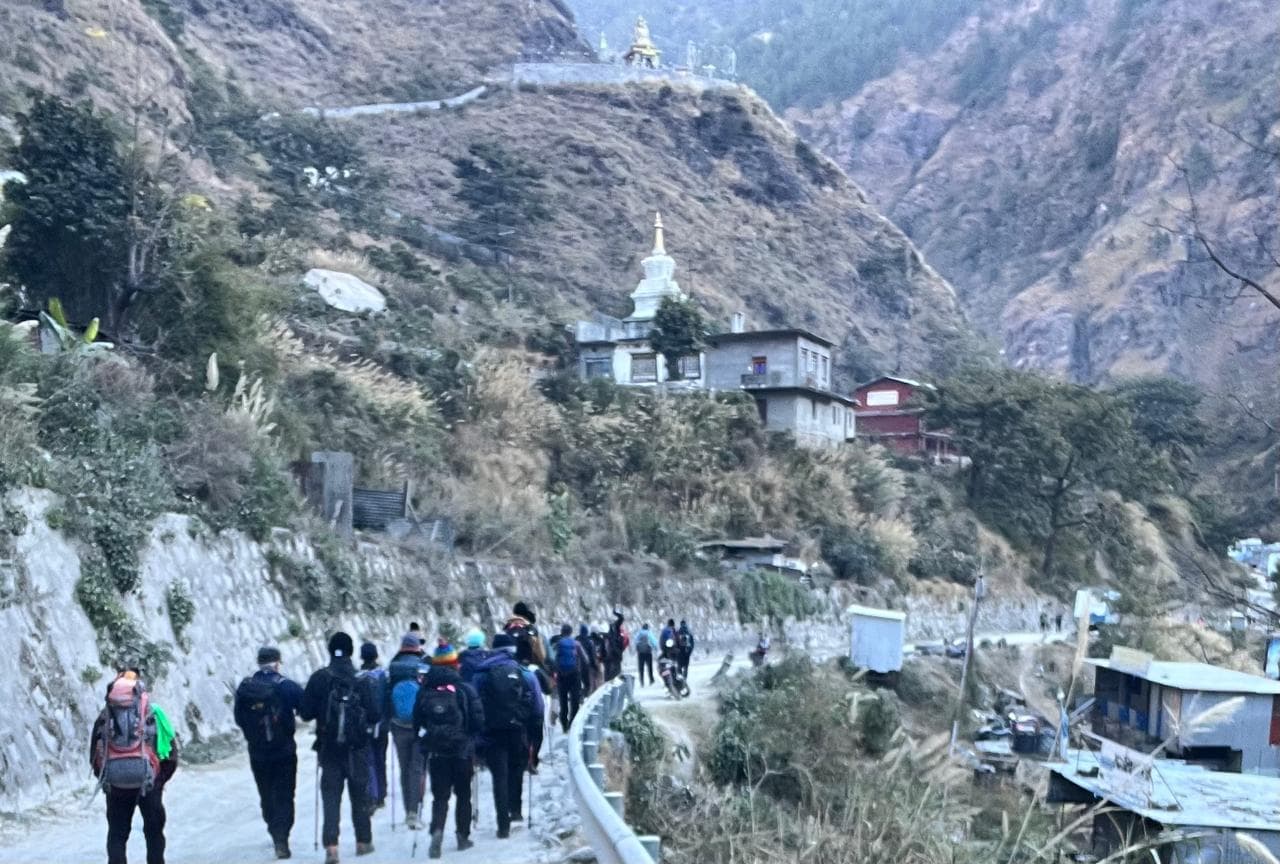
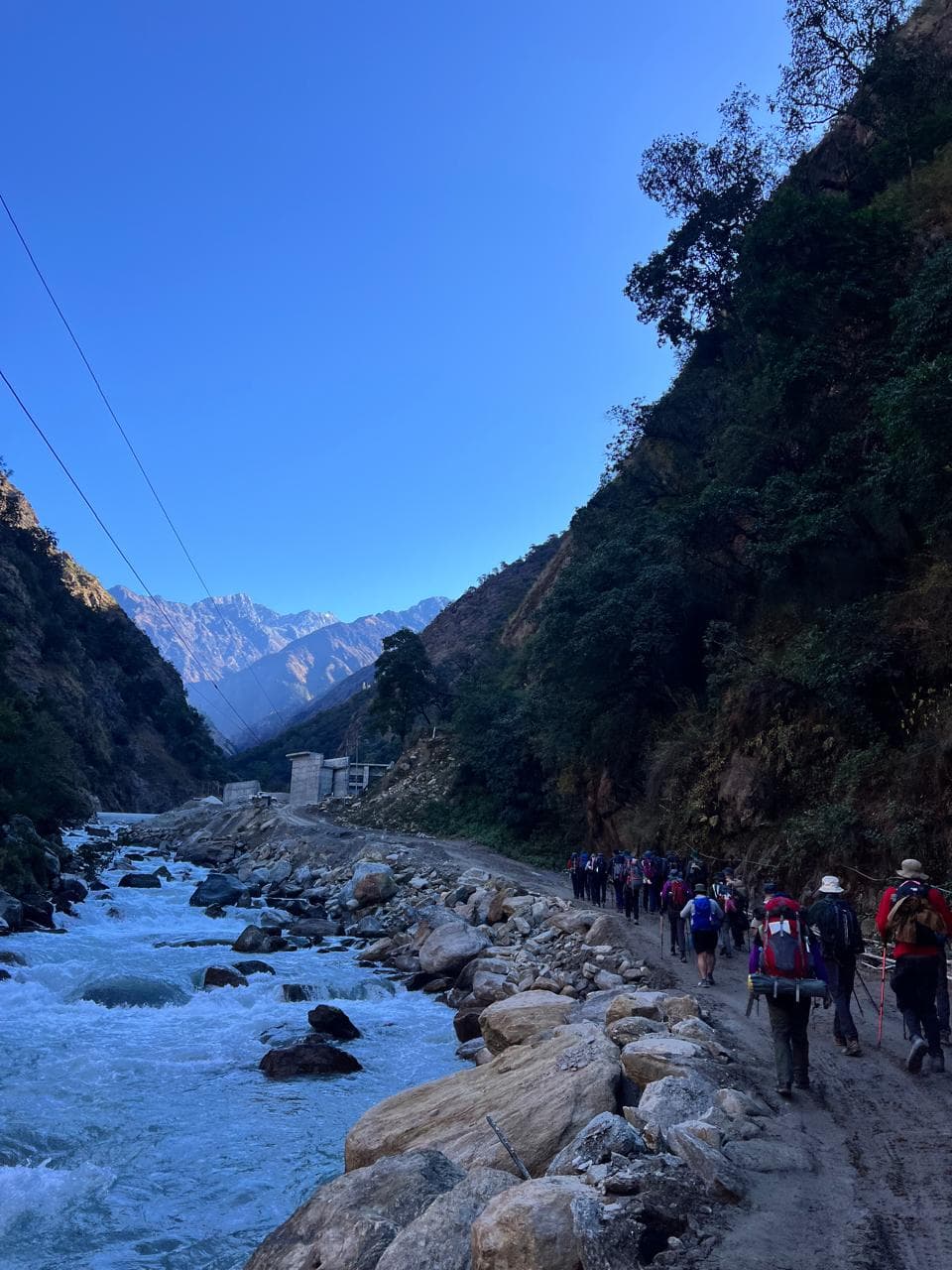
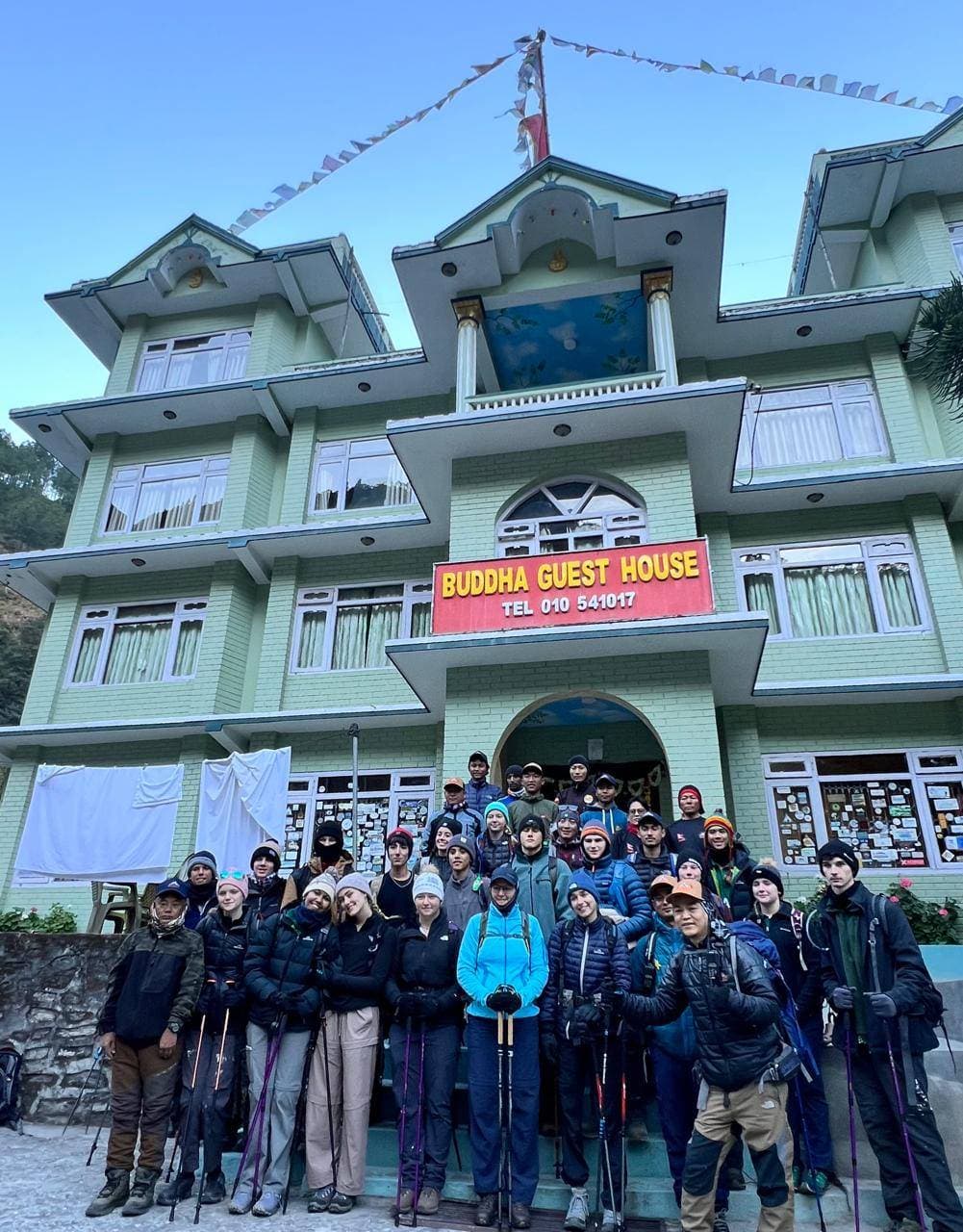
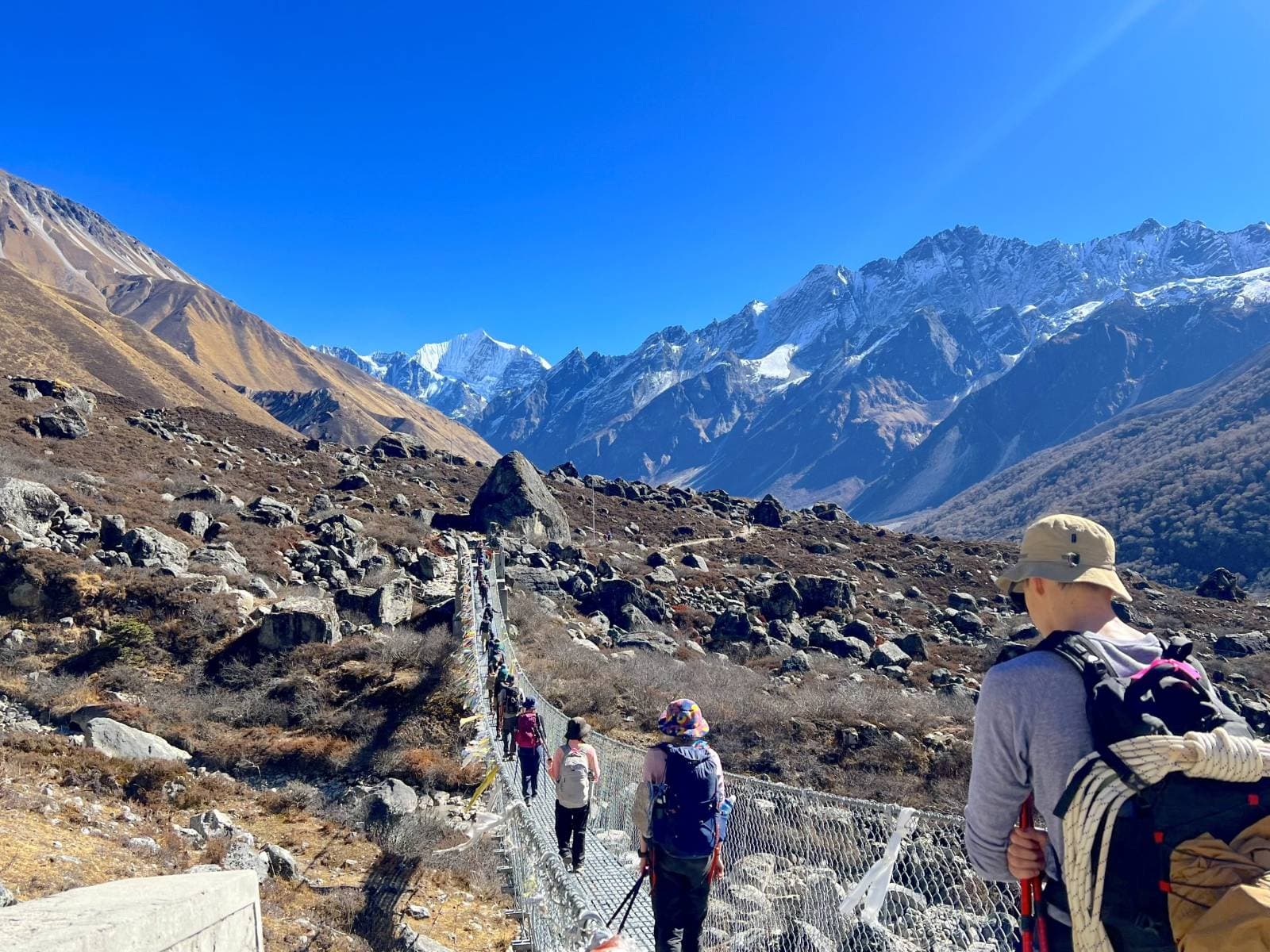
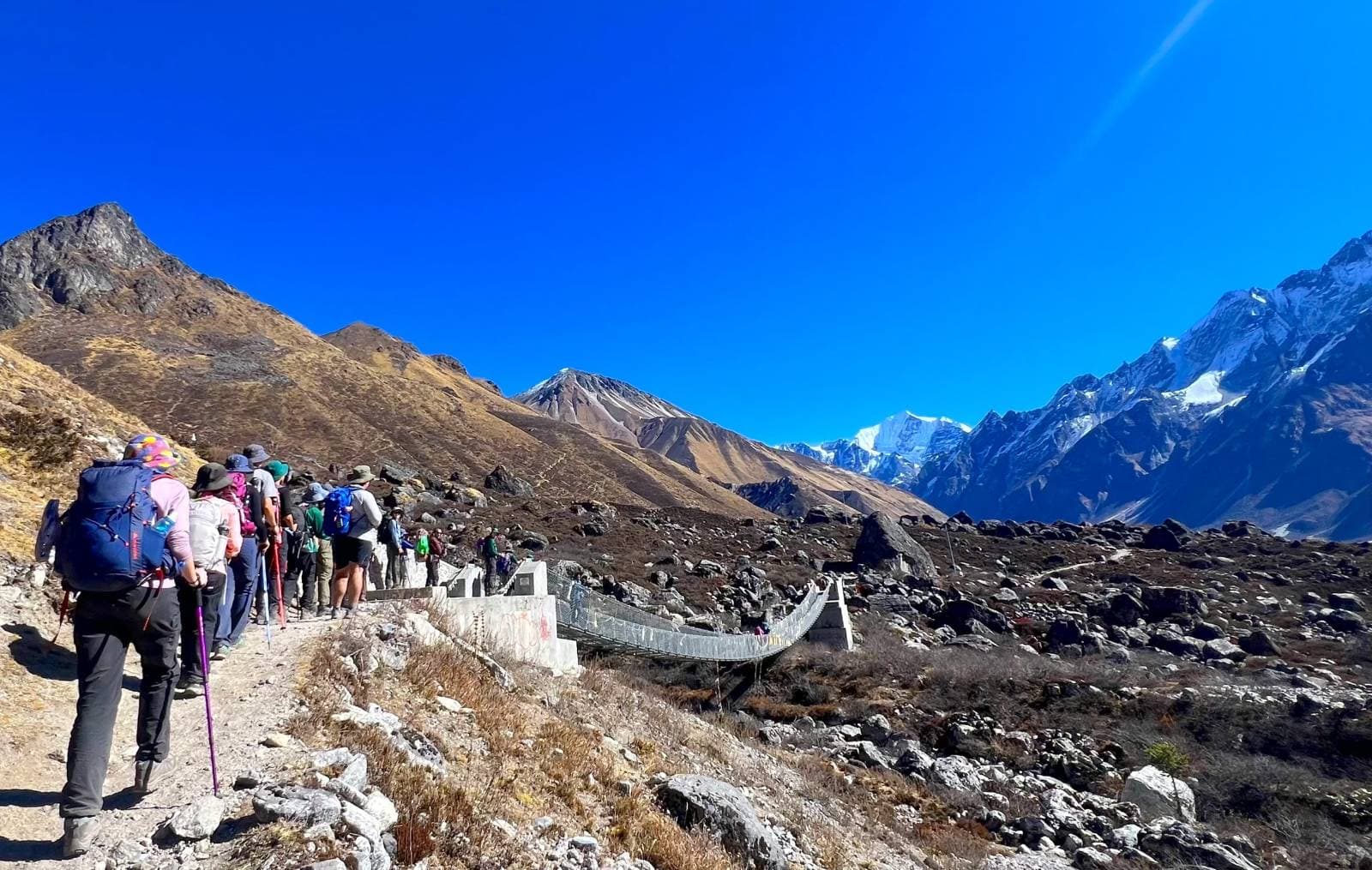
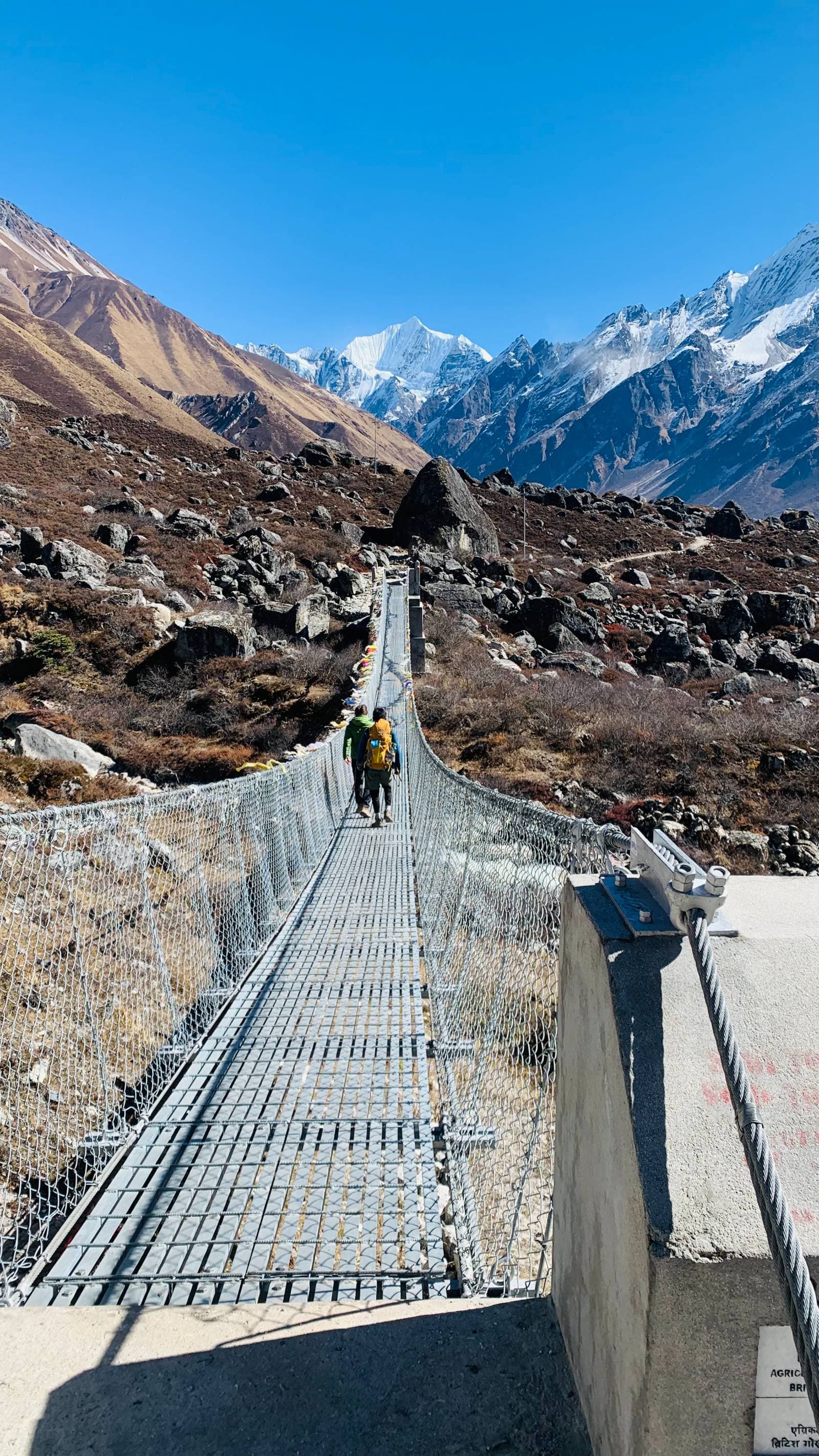
After breakfast in Syabrubesi, you will begin trekking into the Langtang Valley. The trail follows the Langtang Khola and gradually climbs through forested paths. You will cross several suspension bridges and pass through small settlements along the way.
As you walk higher, the forest becomes thicker with oak, bamboo, and rhododendron trees. This area is also home to wildlife such as monkeys and birds, so the walk feels lively and peaceful at the same time.
You will stop for lunch at a tea house along the route before continuing the gradual climb. After about 5 to 6 hours of walking, you will reach Lama Hotel (2,380 m), a small settlement surrounded by forest.
Dinner and overnight stay will be at a lodge in Lama Hotel.
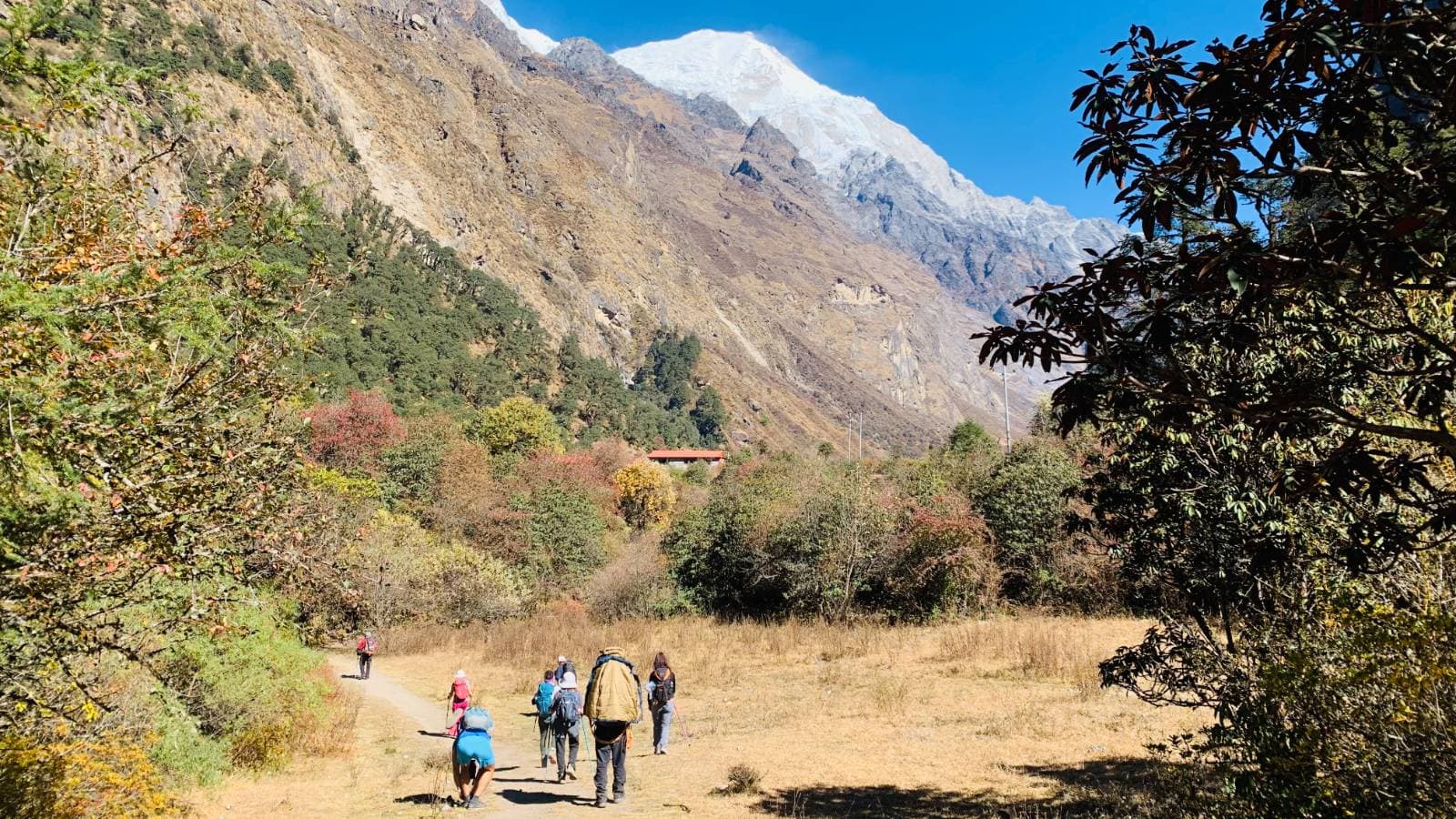
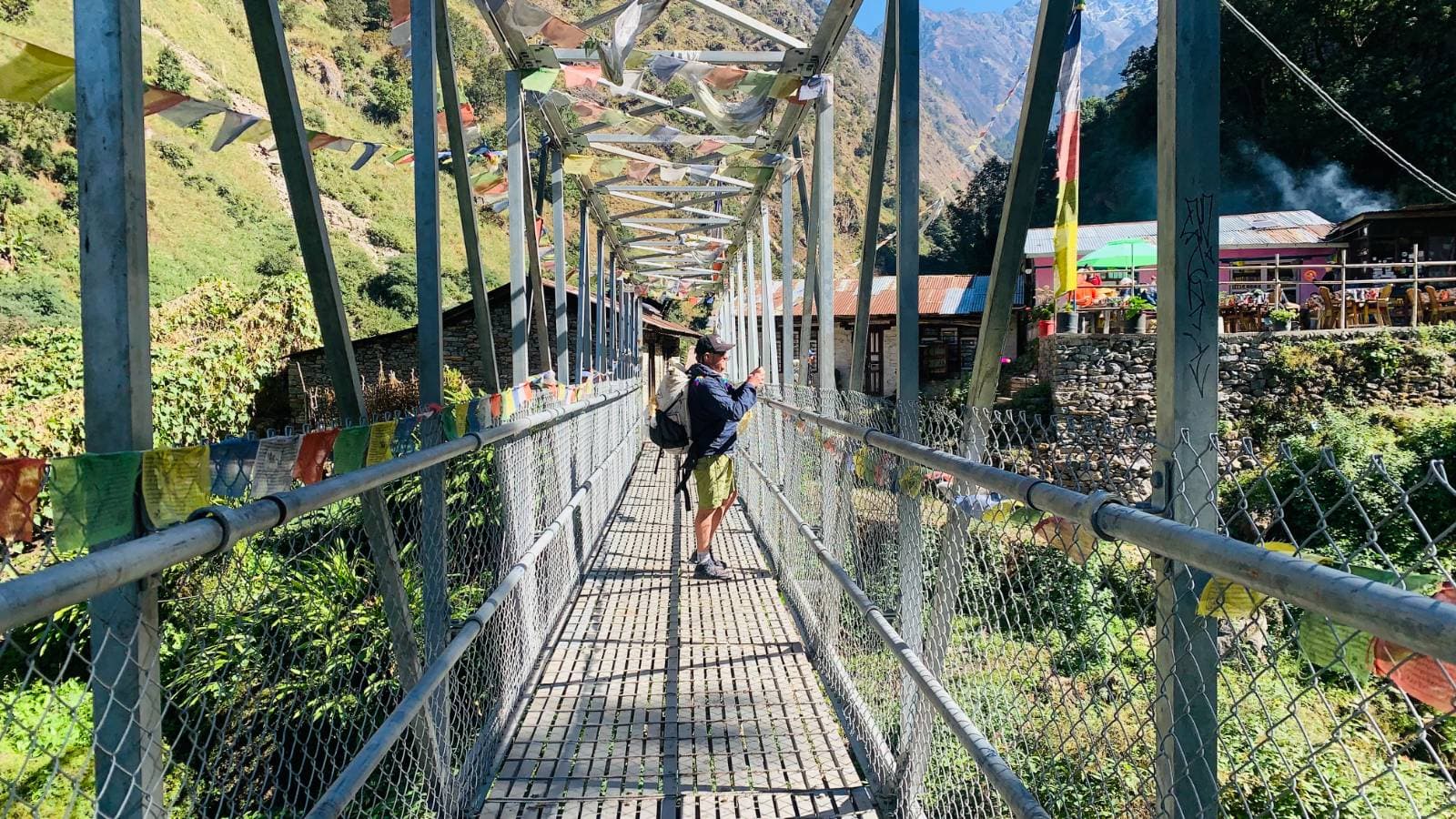
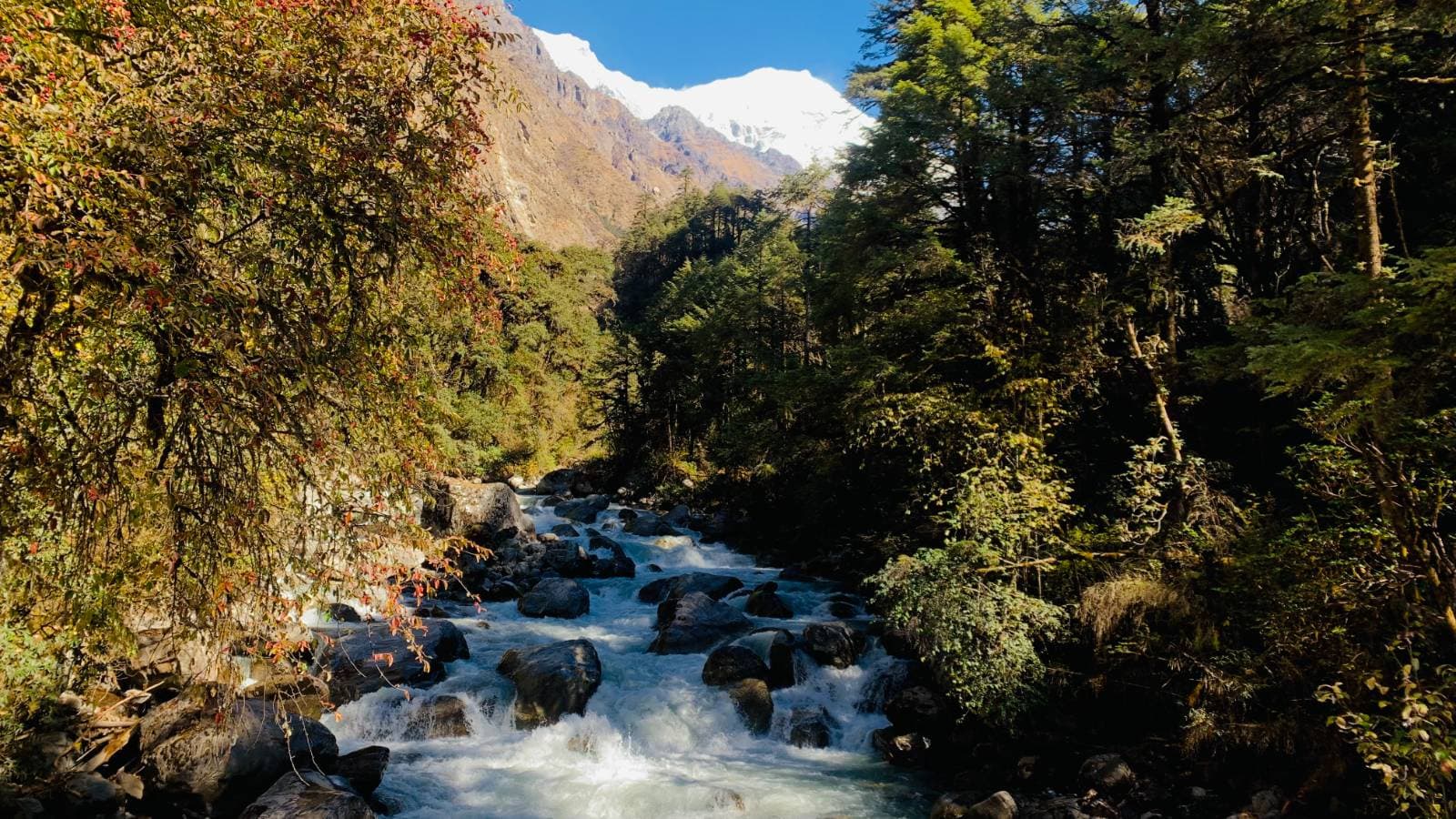
After breakfast at Lama Hotel, you will continue trekking deeper into the Langtang Valley. The trail climbs gradually through forests before opening into wider valleys. As you gain altitude, you will start seeing more open landscapes and occasional views of surrounding peaks.
You will pass through small settlements such as Ghoda Tabela, where you can stop for lunch. From here, the scenery changes noticeably, with fewer trees and more alpine terrain. You may also see yaks grazing along the trail.
After about 5 to 6 hours of walking, you will reach Langtang Village (3,430 m). The village is set in a wide valley and is home to the Tamang community. Dinner and overnight stay will be at a lodge in Langtang Village.
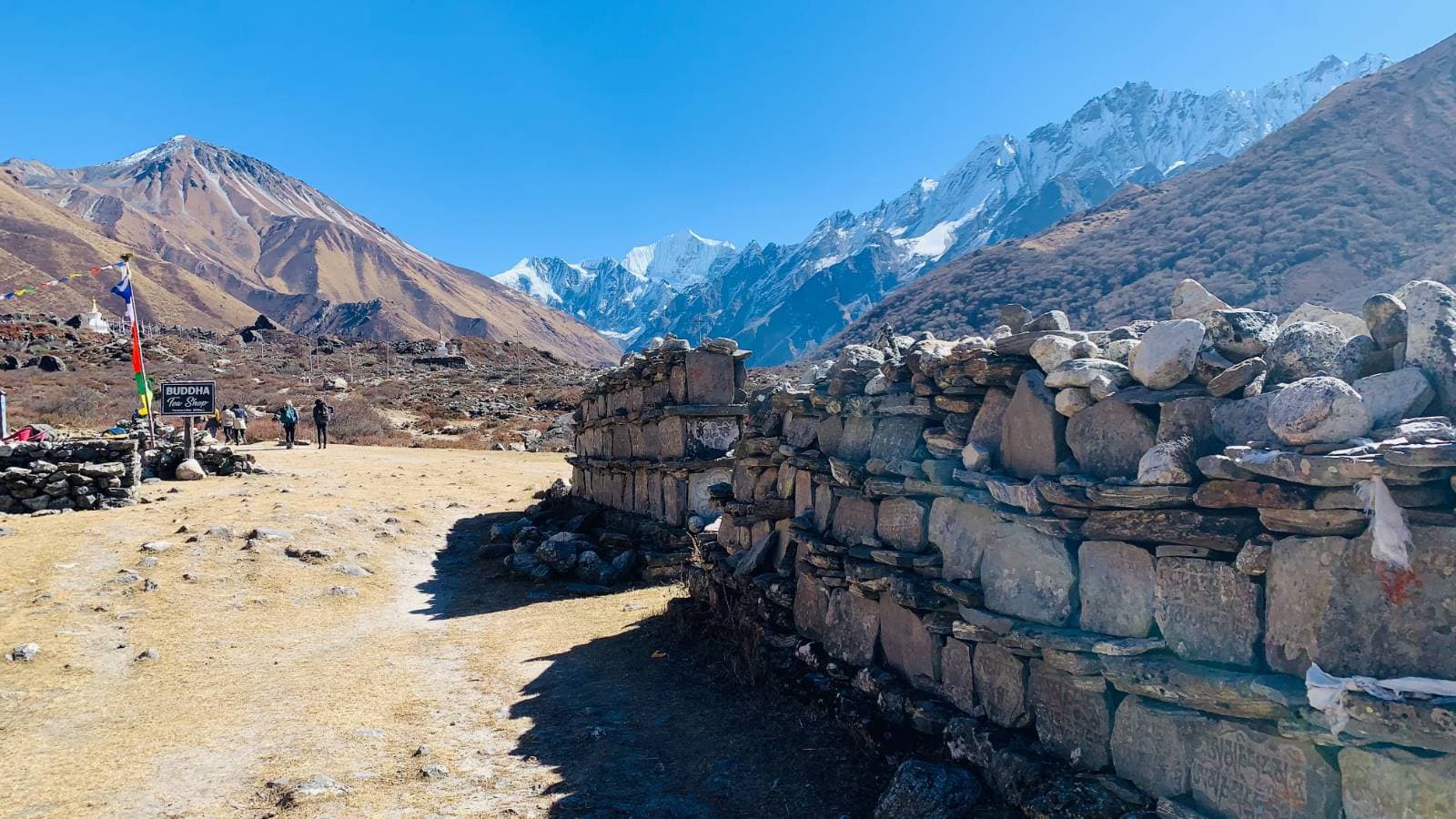
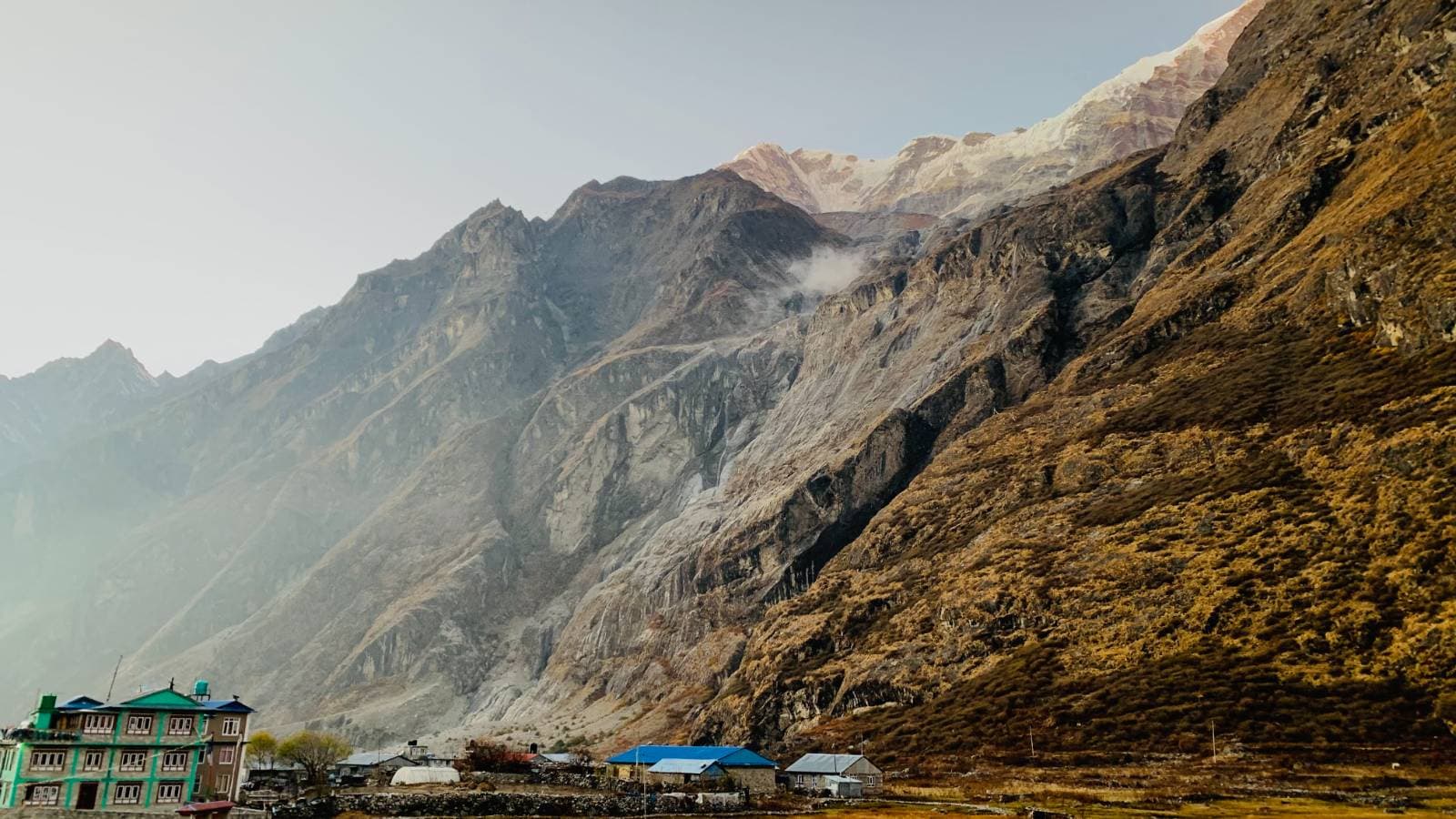
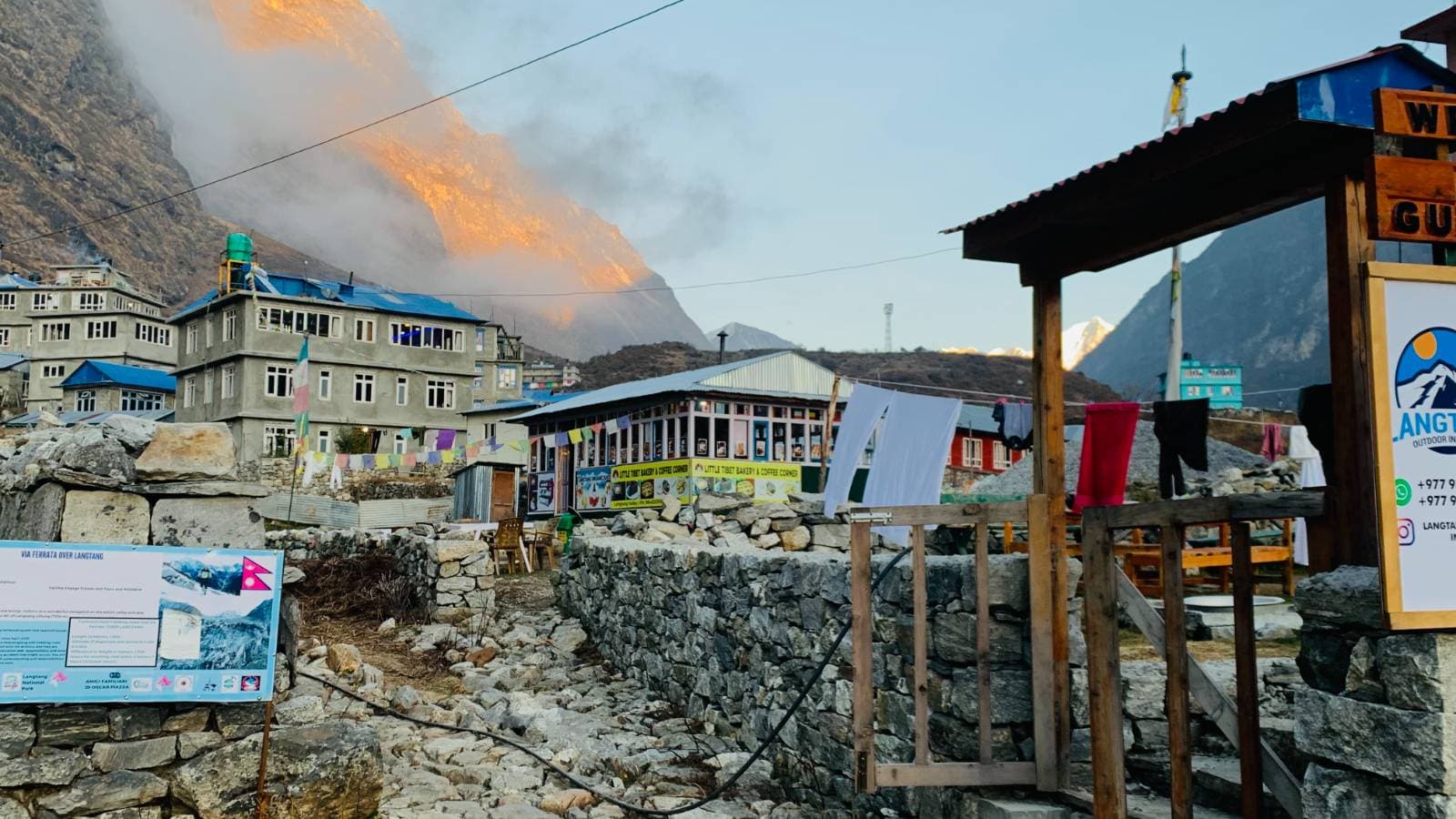
After breakfast in Langtang Village, you will continue trekking further into the valley toward Kyanjing Gompa. The trail climbs gently through open terrain with wide views of the surrounding mountains. Compared to earlier days, the walk today is shorter and more relaxed.
Along the way, you will pass mani walls, prayer flags, and small stone houses, giving a strong sense of local culture. The landscape feels more alpine, and snow capped peaks start to appear closer as you move higher.
After about 3 to 4 hours of walking, you will arrive at Kyanjing Gompa (3,870 m), the final settlement in the Langtang Valley. Once you arrive, you can explore the area, visit the monastery, or rest at your lodge.
Dinner and overnight stay will be at a lodge in Kyanjing Gompa.
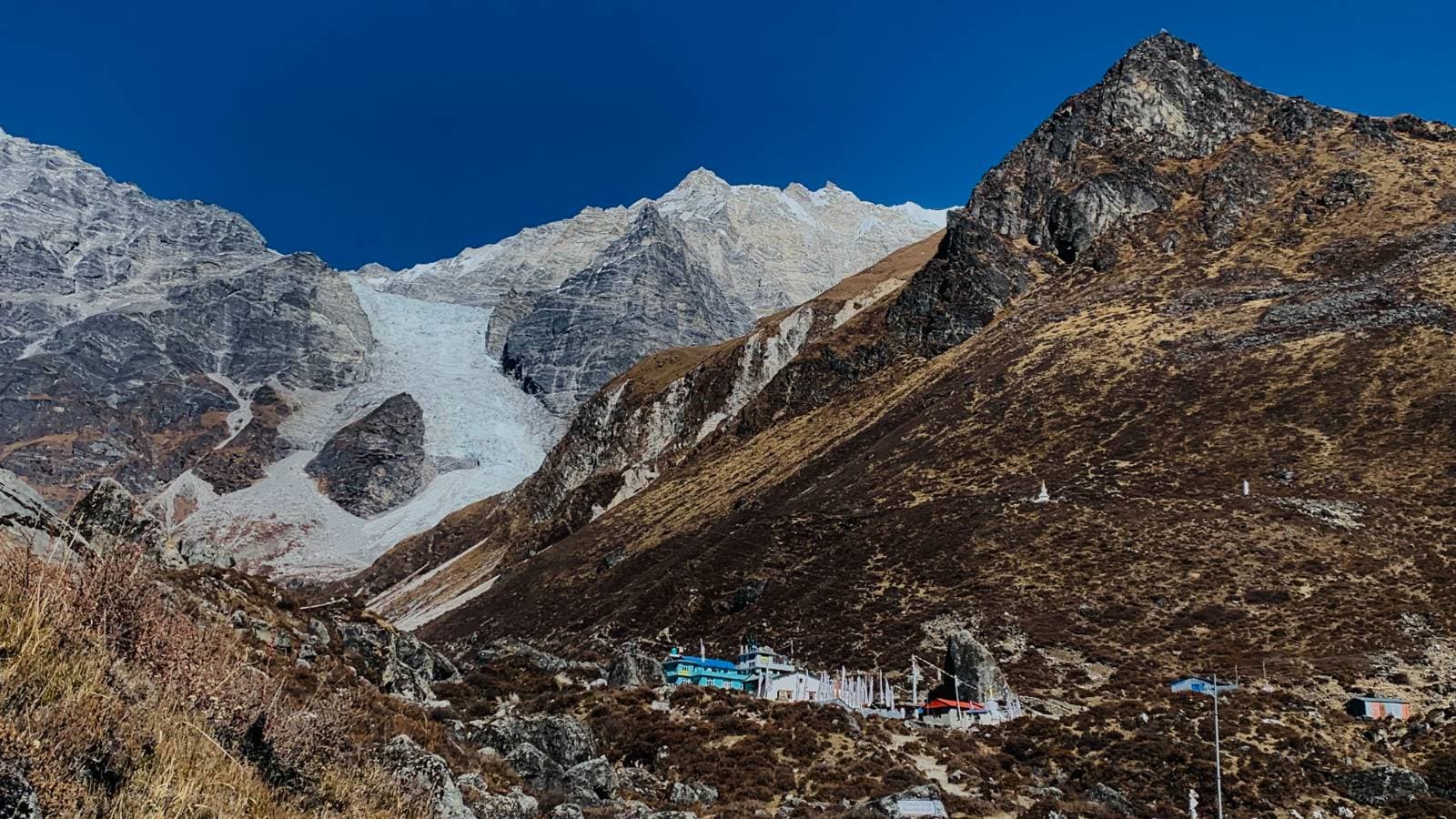
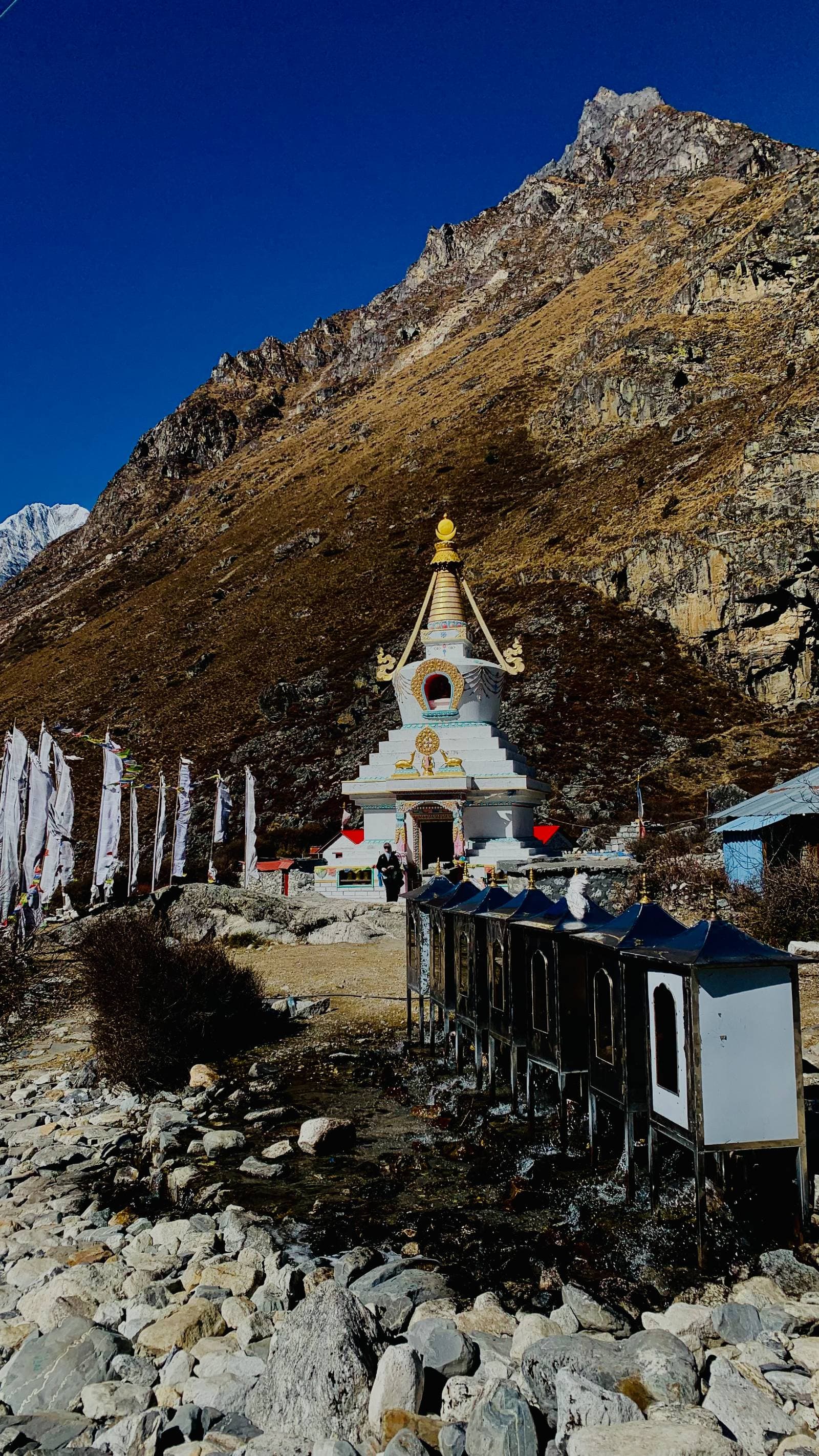
Today is an acclimatization and exploration day in Kyanjing Gompa. After breakfast, you will hike up to Kyanjing Ri, one of the best viewpoints in the Langtang region. The trail climbs steadily above the village, and the walk is slow and steady due to the altitude.
The hike takes about 3 to 4 hours round trip. From the top, you will get wide views of Langtang Lirung, Langshisa Ri, Dorje Lakpa, and the surrounding glaciers. This hike helps your body adjust to the altitude before descending in the coming days.
After spending some time at the viewpoint, you will walk back down to Kyanjing Gompa, where the rest of the day is for rest.
Dinner and overnight stay will be at a lodge in Kyanjing Gompa.
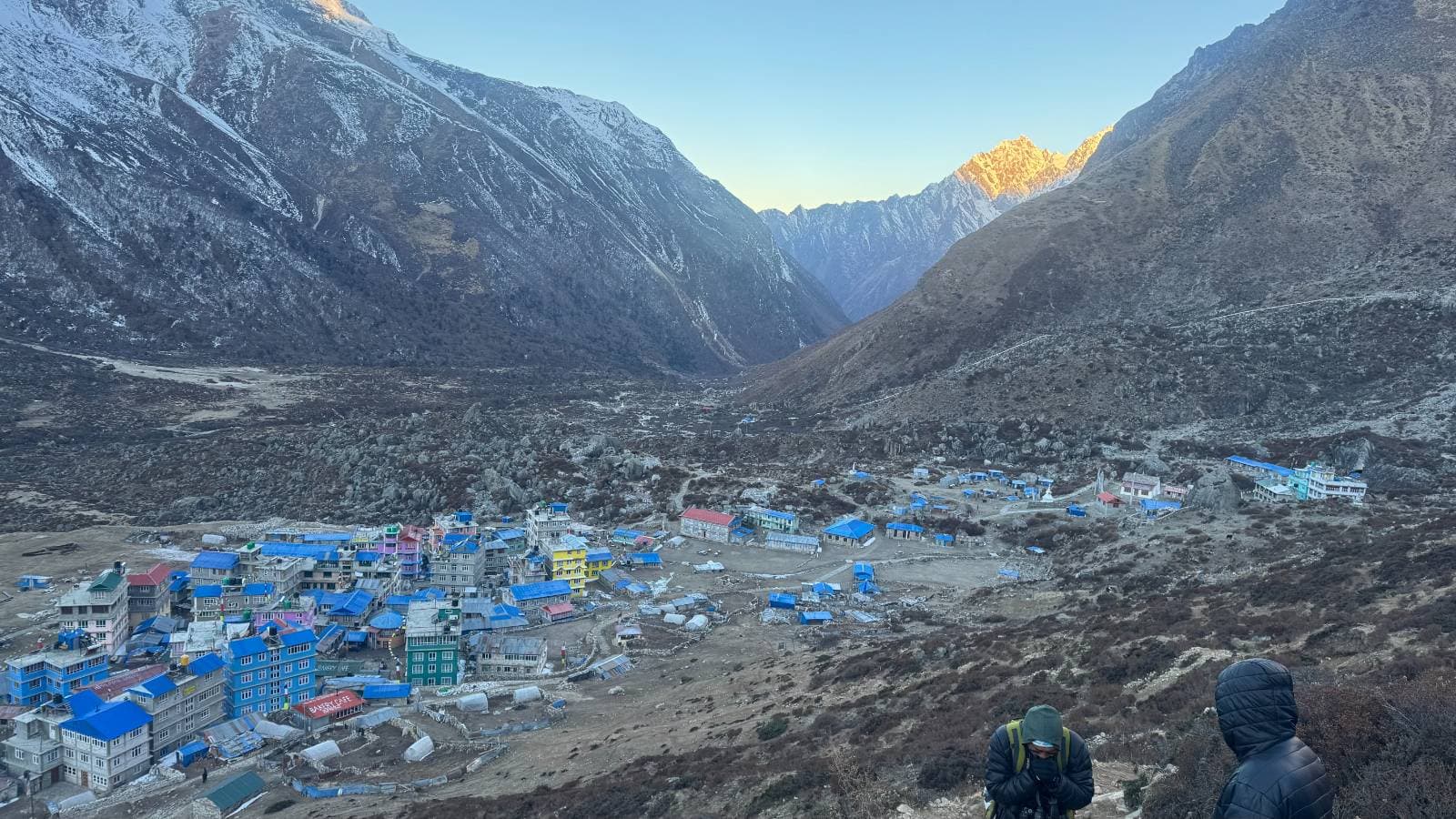
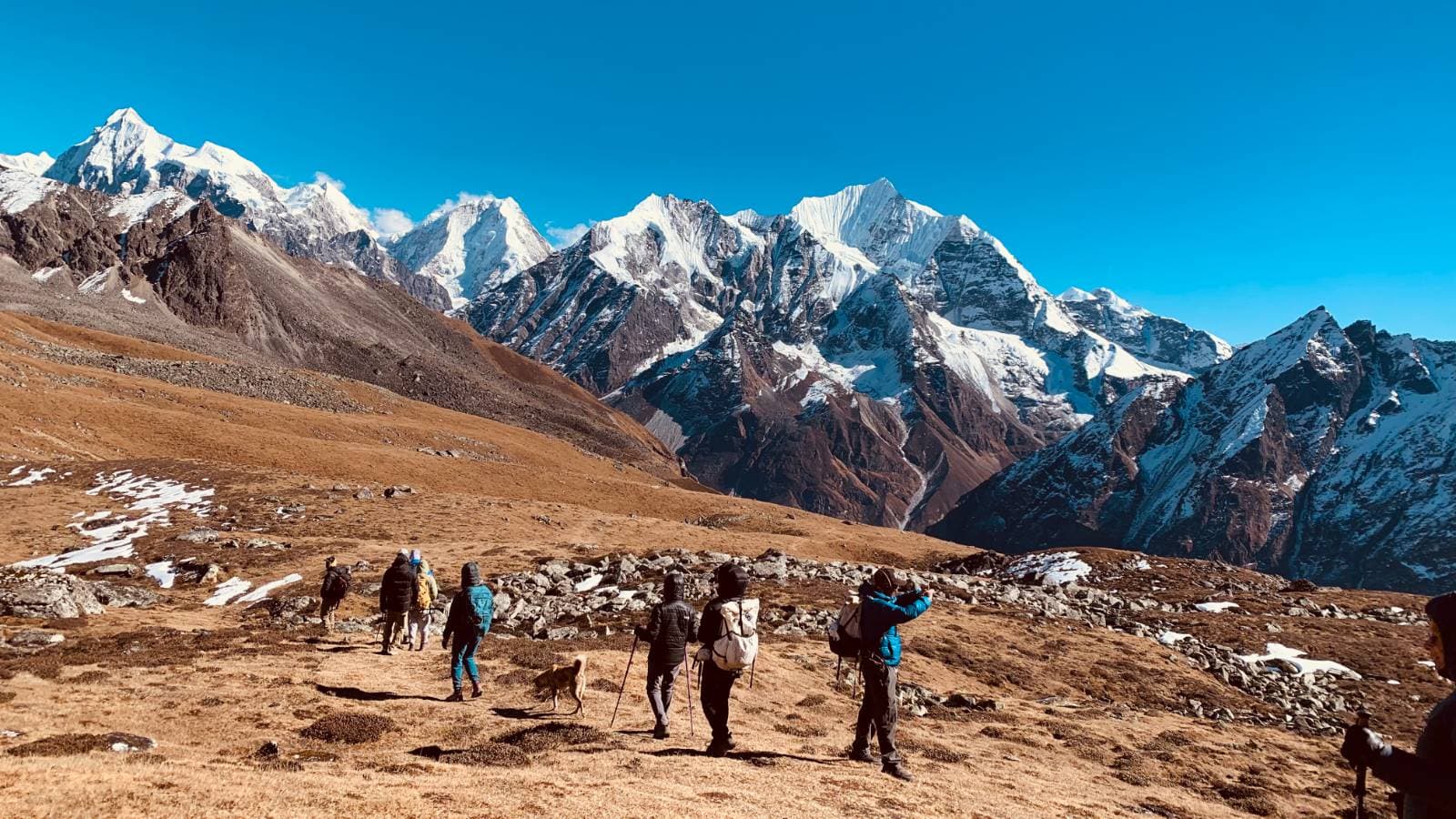
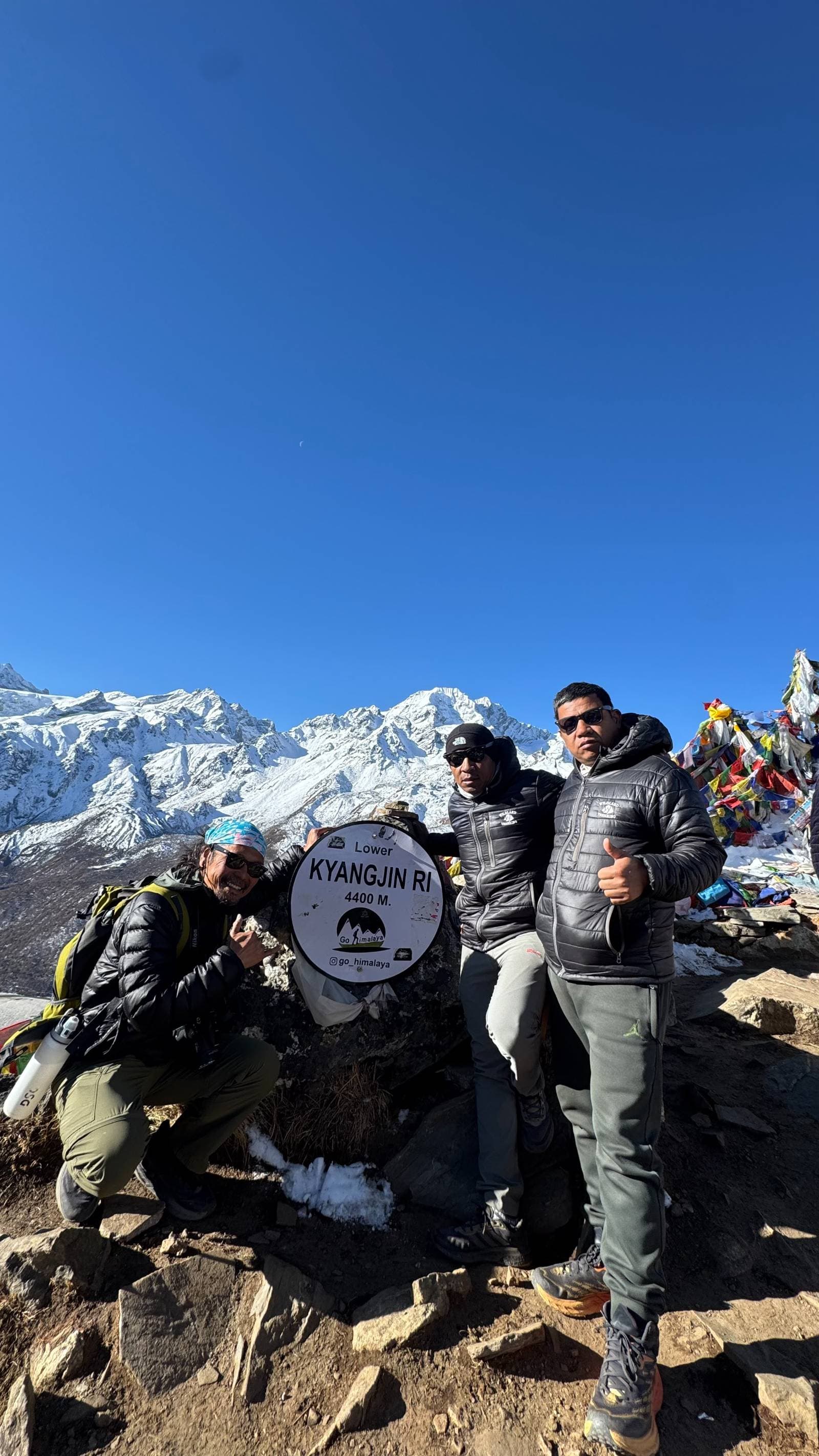
After breakfast in Kyanjing Gompa, you will begin descending back down the Langtang Valley. The trail follows the same route you used on the way up, passing through Langtang Village and Ghoda Tabela. Walking downhill feels easier as you lose altitude, but you will still move at a steady pace.
The scenery changes again as forests begin to appear and the air feels warmer. You will stop for lunch along the way before continuing the descent through forested paths.
After about 6 to 7 hours of walking, you will reach Lama Hotel (2,380 m). Dinner and overnight stay will be at a lodge in Lama Hotel.
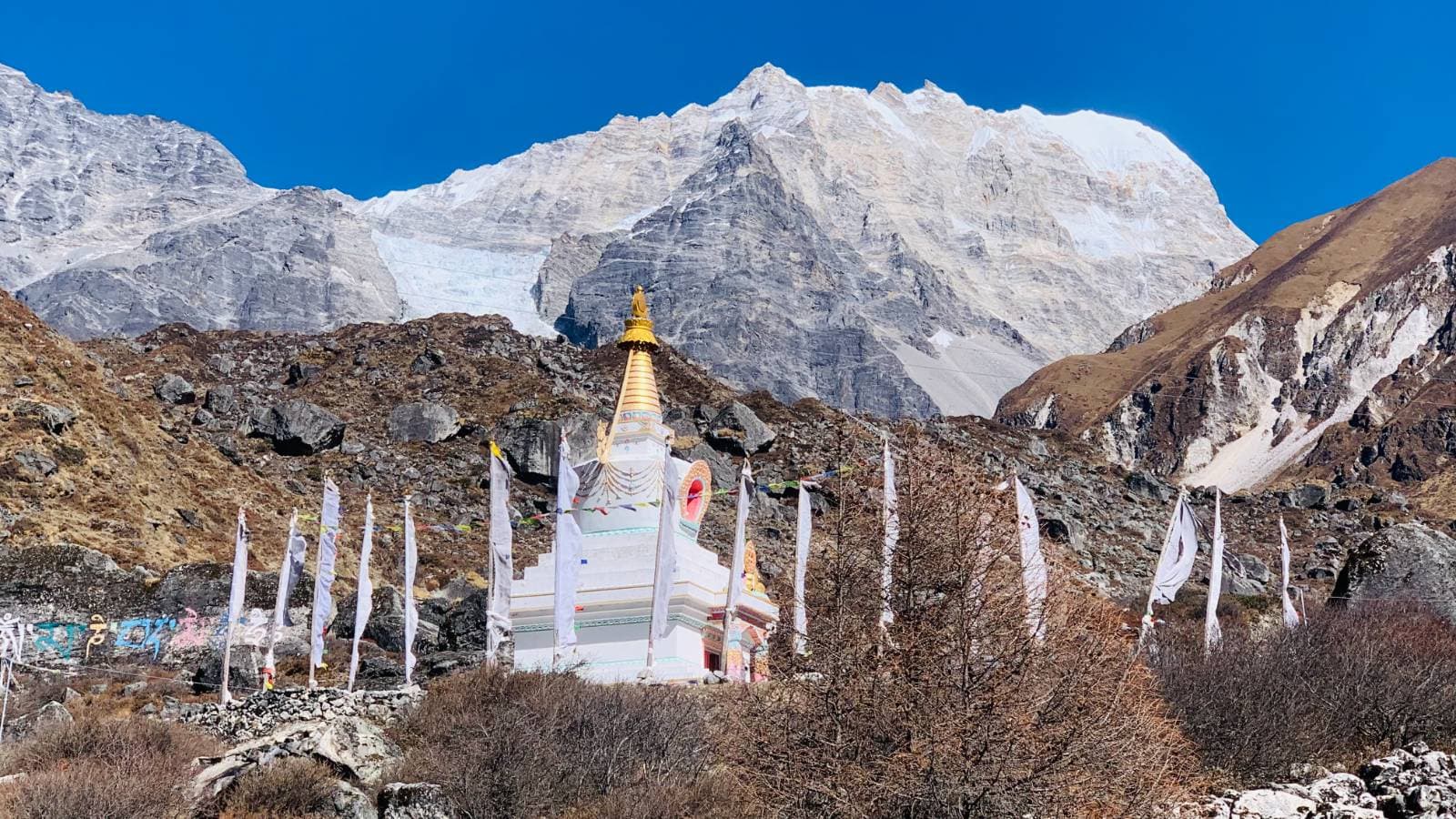
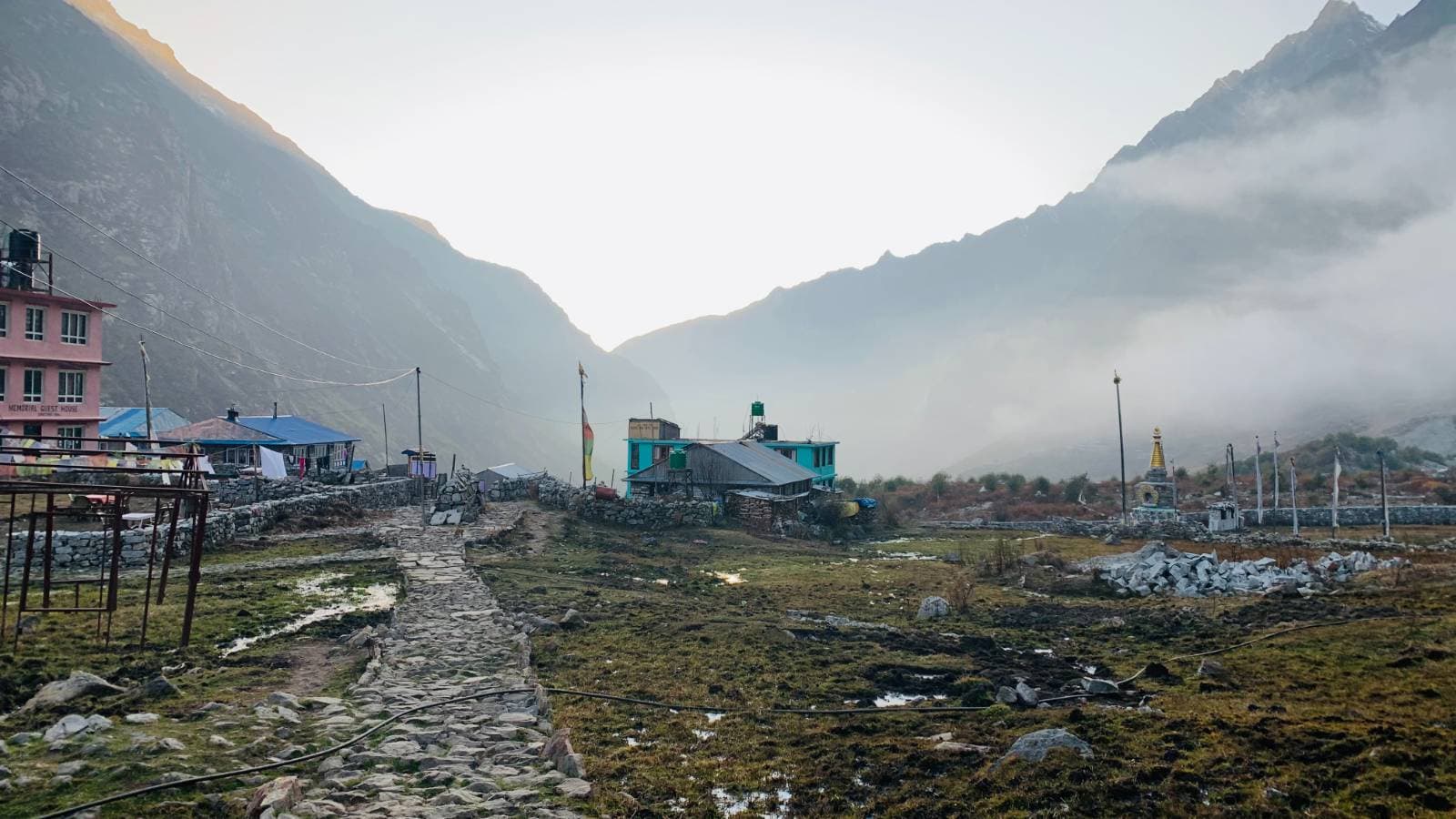
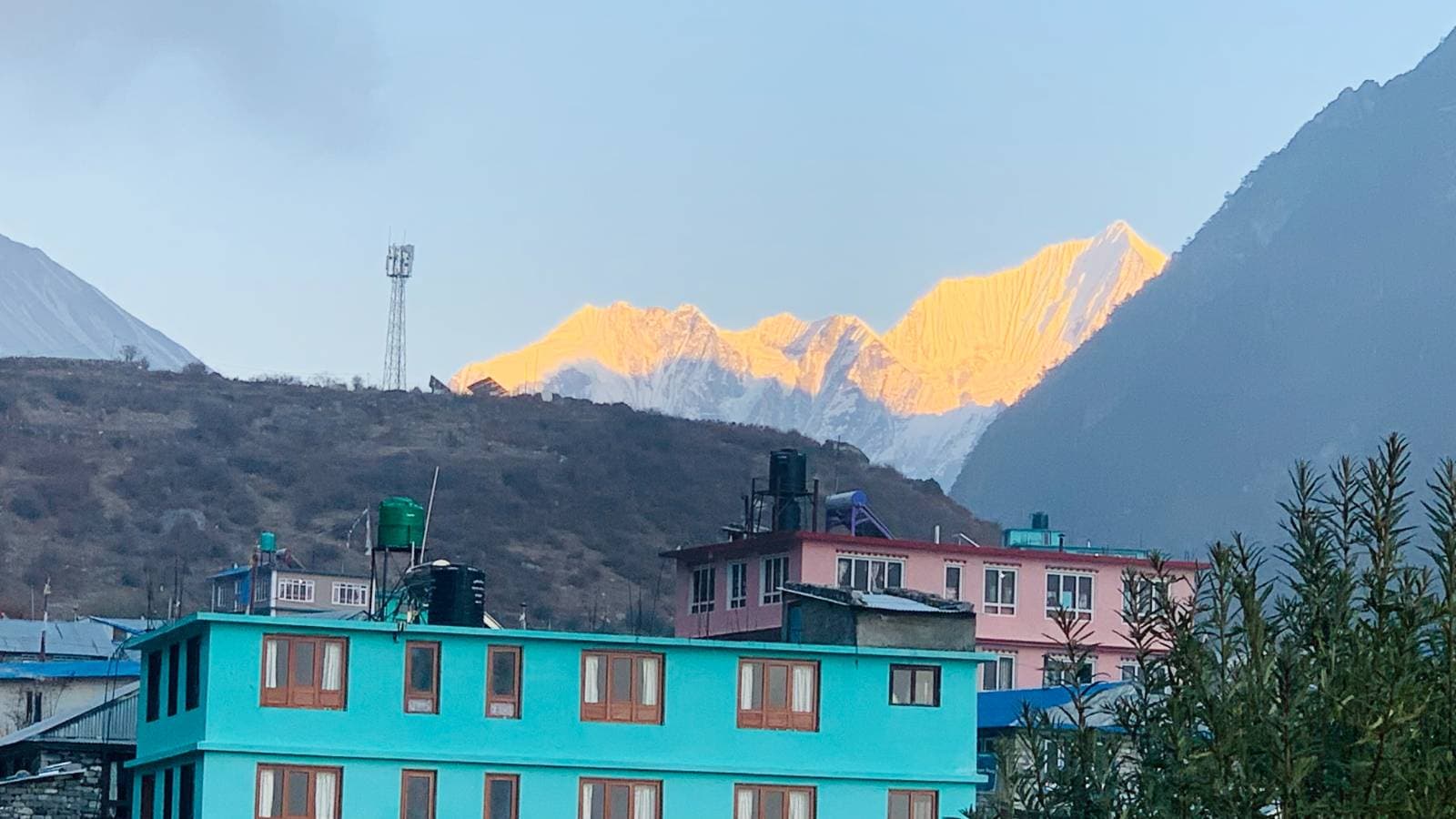
After breakfast in Lama Hotel, you will begin your final day of trekking in the Langtang Valley. The trail descends through forested paths, crossing suspension bridges and following the Langtang Khola back toward Syabrubesi.
As you walk lower, the surroundings become greener and warmer. You will pass through small settlements and familiar sections of the trail before reaching Syabrubesi. The walking today is mostly downhill and comfortable.
After about 5 to 6 hours of trekking, you will arrive at Syabrubesi (1,550 m). This marks the end of the trekking section of the Langtang Valley journey.
Dinner and overnight stay will be at a lodge in Syabrubesi.
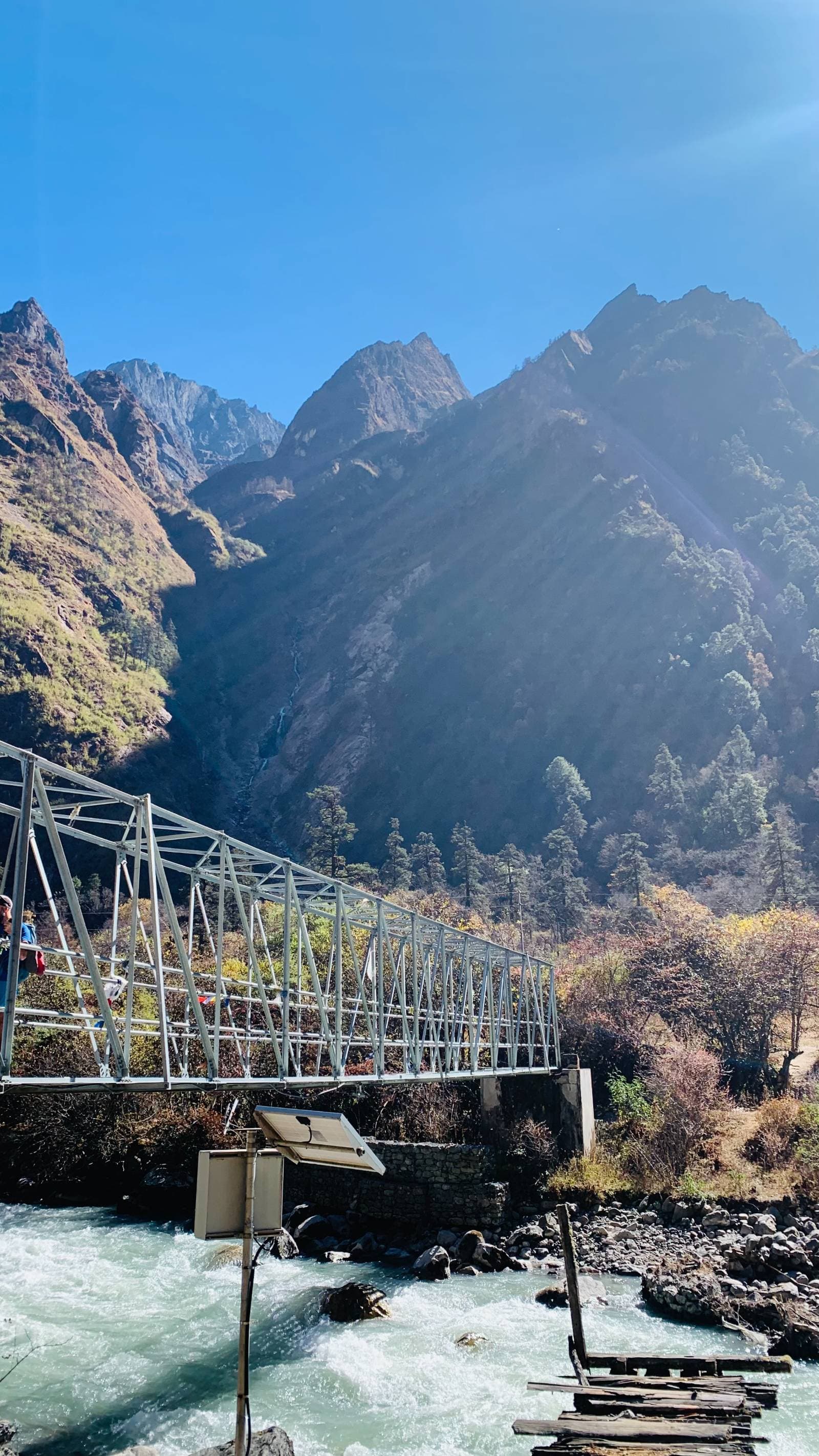
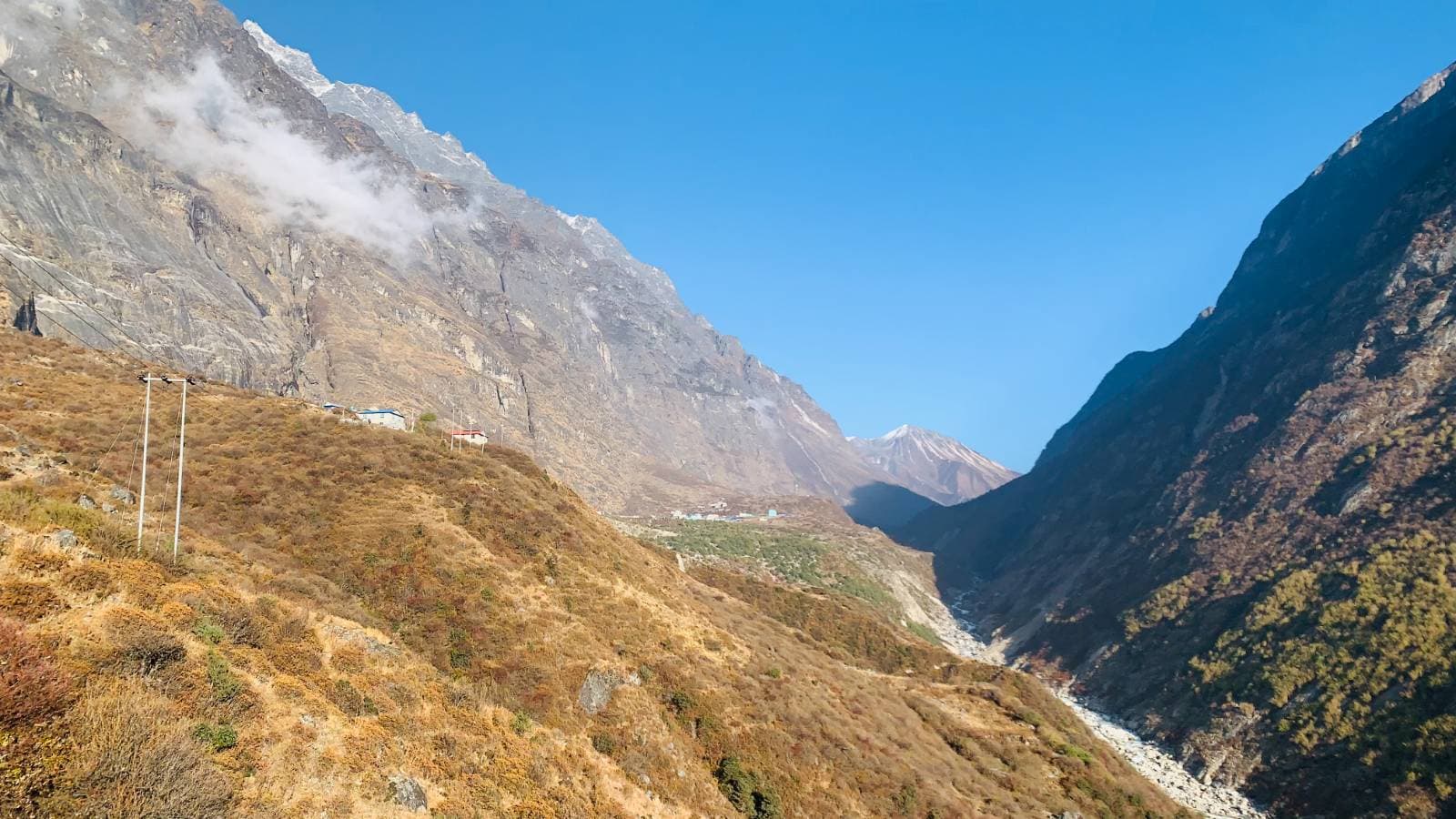
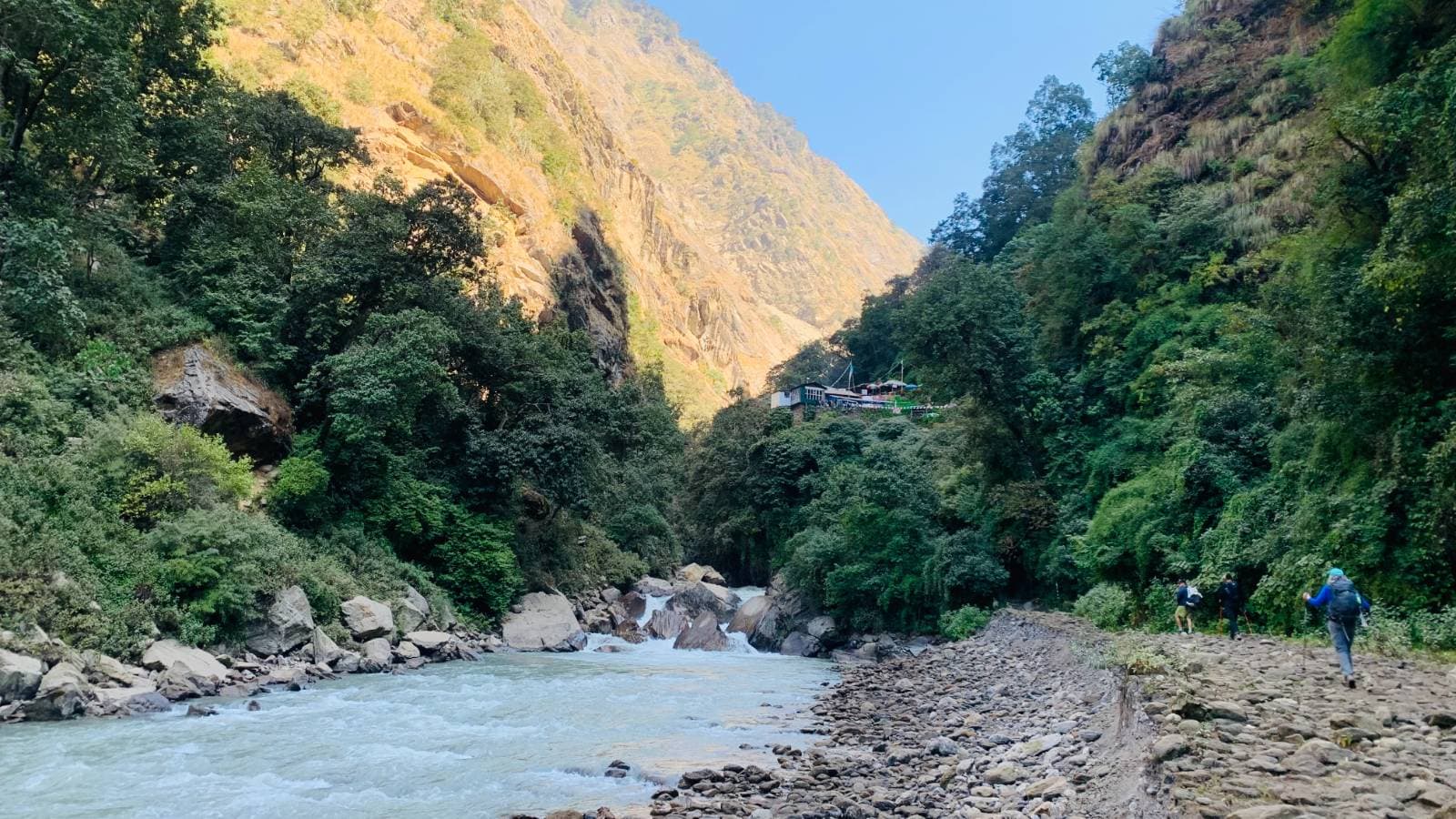
After breakfast in Syabrubesi, you will begin the drive back to Kathmandu in a local shared jeep. The journey takes about 7 to 8 hours, following the Trishuli River and passing through hills, small towns, and rural villages along the way.
You will stop for tea and lunch at local roadside places during the drive. As you approach Kathmandu, the road becomes busier and the scenery slowly changes back to city life.
Once you arrive in Kathmandu, the Langtang Valley trek officially comes to an end.
Map
Packing List
Upper Body
- Warm jacket (down or thick fleece)
- Light jacket or rain jacket (windproof and waterproof)
- Trekking shirts (2 to 3, quick dry)
- Thermal top
- Warm hat or beanie
- Sun hat or cap
- Gloves (1 light pair, 1 warm pair)
Lower Body
- Trekking pants (2 pairs)
- Thermal pants or leggings
- Waterproof pants
- Trekking boots
- Trekking socks
- Sandals or flip flops
Undergarments
- Quick dry underwear
- Sports bras (women)
First Aid and Medications
- Band-aids
- Altitude sickness medicine (if prescribed)
- Electrolyte packets
- Your personal medicines (bring extra)
Other Essentials
- Sunscreen (SPF 30 or higher)
- Lip balm with SPF
- Hand sanitizer
- Polarized Sunglasses
- Reusable water bottle
We will carry the medicines and first-aid kits during the trek. However, we recommend you bring additional items based on your personal preferences and the specific conditions of the trip.
Inclusions
What's Included In This Trip?
Langtang National Park Entry Permit.
Trekkers’ Information Management System (TIMS) card.
Experienced, licensed, and insured guide throughout the trek
7 nights of teahouse or mountain lodge accommodation during the trek.
Local shared jeep between Pokhara and the trek starting point
Altitude awareness and emergency coordination by your guide
Travel and evacuation insurance covered for your guide
Route planning, daily coordination, and on-trail support
Trekking Permits
Licensed Local Guide
Accommodation on the Trail
Ground Transportation
Emergency Support
Guide Insurance
Trek Coordination and Support
What's Excluded In This Trip?
Meals and drinks are not part of the base package
You may either add a meal plan in advance or pay directly at teahouses during the trek.
Porter service is not included in the base package.
You can add a porter during booking if you prefer support with your backpack
Travel insurance covering high-altitude trekking is mandatory and must be arranged by you.
Personal expenses such as hot showers, charging, WiFi, and snacks are not included.
Tipping is optional, but is a common way to appreciate the hard work of guides and porters.
Meals During the Trek (Optional Add-on)
Porter Services (Optional Add-on)
Your Travel Insurance
Personal Expenses
Tips for Guides/Porters
Fixed Departures
FAQs
General Trek Information
The Langtang Valley trek is considered moderate. It involves several days of walking with steady ascents, but it is generally less demanding than high-altitude treks like Everest Base Camp.
Yes, the Langtang Valley trek is suitable for beginners with reasonable fitness. Prior trekking experience is helpful but not required.
The trek usually takes 7 to 10 days. On most days, you can expect to walk 5 to 6 hours, depending on the pace and itinerary.
Yes. Solo travelers are welcome and will join a fixed departure group with guide support throughout the trek.
Permits & Trekking Requirements
The trek requires a Langtang National Park Permit and a TIMS card (optional).
Yes. All required permits are arranged and included in the base package.
Yes. Travel insurance covering trekking and emergency evacuation is mandatory.
Accommodation & Meals
You will stay in teahouses (mountain lodges) along the route. These are simple, comfortable, and locally operated.
Accommodation is fully arranged by Nepwise in advance to ensure availability and a smooth trekking experience.
Accommodation is included in the base package.
Meals are not included, and you can either add a meal plan in advance or choose and pay directly at teahouses during the trek.
In addition to the base package, you should budget for meals and personal expenses.
On average, this is around USD $25–$35 per day, depending on your choices.
Guides, Porters & Group Structure
Yes. Every trek includes a licensed, experienced local guide who supports you throughout the journey.
Guide costs are fully included in the base package.
Each fixed departure group has a minimum of 2 and a maximum of 8 trekkers.
Porters are not included in the base package. If you’d like help carrying your backpack, you can add a porter during booking.
For moderate treks like Langtang, many trekkers choose to carry their own bags, but adding a porter can still make the journey more comfortable.
Costs & Budget
The base price covers your essential trekking logistics, including a licensed guide, permits, transportation, and all accommodation during the trek.
No. Everything included in the base package is clearly listed, and any additional expenses are explained in advance so you can plan accordingly.
Health, Safety & Altitude
Altitude sickness is possible, as the trek reaches higher elevations.
However, the risk is lower compared to higher-altitude treks, and the gradual ascent helps your body adjust.
Yes. The Langtang Valley trek is a well-established and regularly trekked route, supported by guides and local lodges along the way.
Experience & Local Culture
The Langtang Valley trek offers a quieter and more peaceful Himalayan experience, with beautiful mountain views, forest trails, and strong local culture influenced by the Tamang community.
Tipping is a common practice in the mountains and a meaningful way to appreciate the work of guides and porters. If you’re happy with the service, it is a thoughtful way to show your gratitude.
If you need to cancel your trip, our refund policy follows a simple step-by-step process. Make sure to check the terms before finalizing your plans.Learn more