How to Do Independent Trekking in Nepal After the Solo Ban

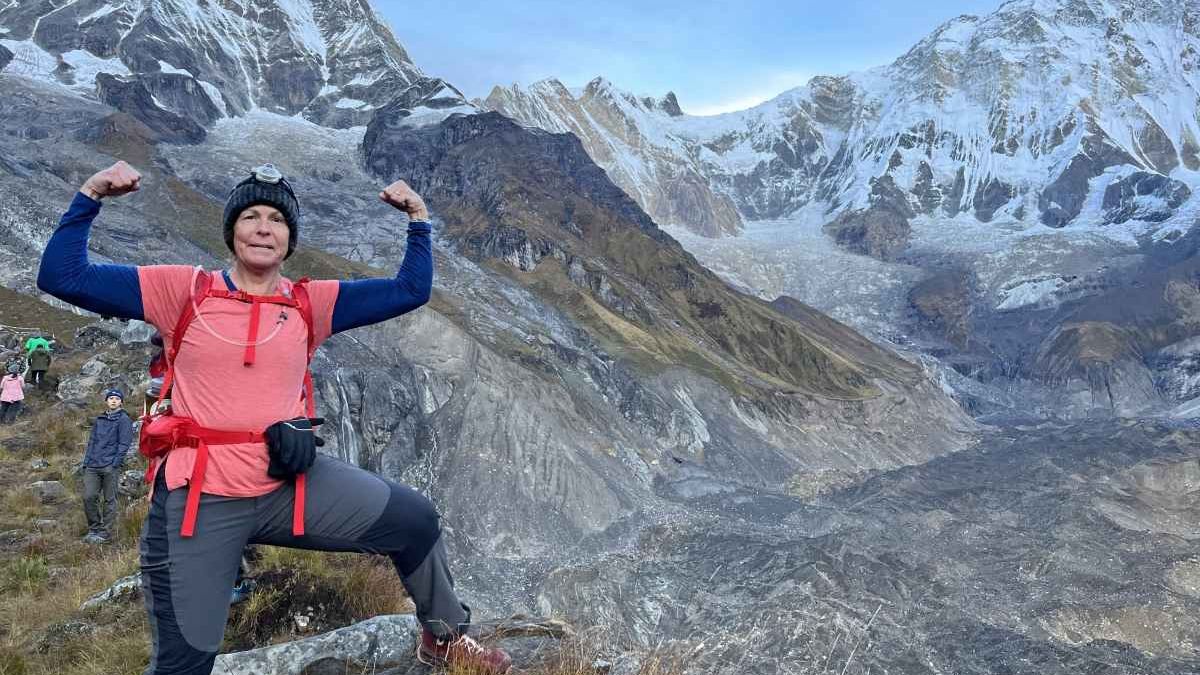
Independent-minded trekkers often get disappointed with the new solo trekking ban rule introduced in 2023. This article tries to give you a clear, honest picture of where things stand and how you can still approach Nepal trekking in an independent-minded way.
If you've been planning a solo trek in Nepal and came across news about the "solo trekking ban in Nepal," you're probably confused about what's actually allowed and what isn't. That confusion is completely valid. The situation has been inconsistent since the rule was officially introduced in April 2023, and a lot of what's written online either overstates the restrictions or downplays them entirely.
This article tries to give you a clear, honest picture of where things stand and how you can still approach Nepal trekking in an independent-minded way.
What the Solo Trekking Ban Actually Says
On April 1, 2023, the Nepal Tourism Board (NTB) officially mandated that all foreign trekkers must hire a licensed guide or porter-guide through a government-registered trekking agency to trek in Nepal's national parks and conservation areas. This covers most of the popular routes like Annapurna Circuit, Langtang Valley, Manaslu Circuit, and the Everest region's main trails.
The reason was safety. Every year, a number of trekkers, mostly free independent trekkers (FITs), go missing, get stranded, or require emergency evacuations. The guide mandate was meant to reduce those incidents while also creating formal employment for local guides and porters.
Reality on the Ground (As of 2026)
Here's where it gets complicated. The rule exists officially, but enforcement has been inconsistent. In the early seasons after the ban, most TIMS checkpoints weren't actively manned. Many solo trekkers reported getting their permits without any issues and completing treks without being stopped.
That said, this doesn't mean you should plan your trip assuming the rule won't apply to you. Enforcement tightened as 2026 approaches, with major permit offices increasingly linking TIMS cards to registered agencies and licensed guides. Showing up at a regulated checkpoint without proper documentation can mean delays, being turned back, or fines.
The smarter approach is to plan as if the rules are in effect, because officially, they are.
Where and How Can You Still Trek with More Freedom?
Not every trail in Nepal falls under strict regulation. Routes classified as "open regions" below roughly 3,000 meters, outside national park and conservation area boundaries, don't require the same guided framework. These are worth exploring if you genuinely want an unaccompanied experience.
For everyone else interested in the classic high-altitude routes like EBC and ABC, the practical options are:
1. Trek with a guide but structure it for personal freedom
Hiring a guide doesn't have to feel like being on a tour. Many trekkers who value their independence do this well by being upfront with their guide from day one. You walk at your own pace, handle your own food and lodging decisions, and have the guide present for safety and logistics without them dictating your experience. Most good local guides are completely fine with this arrangement as long as expectations are communicated clearly.
2. Join a fixed departure group
If you prefer not to hire a guide privately, fixed departure groups let you join other trekkers under a shared guide. You follow the same trail but meet fellow trekkers along the way and still make your own choices about food, extras, and pace within the group structure. This is one of the most budget-efficient ways to stay compliant without paying for a private arrangement.
3. Share a guide with others
Many solo trekkers meet up online before their trip and arrange to share a guide through a registered agency. This is common practice and fully legitimate. The key is making sure the guide is formally registered to the group through an agency, and that insurance and emergency protocols are clear.
Restricted Areas: What's Different There
Restricted areas like Manaslu, Upper Mustang, Dolpo, and Humla-Limi Valley have always required agency-arranged permits, even before the 2023 rule. Nothing has changed there. A Restricted Area Permit (RAP) must be obtained through a registered agency, and on paper, these treks require at least two foreign trekkers. In practice, many agencies pair solo travelers on paper while allowing them to walk day-to-day with just their guide. It's compliant and keeps the experience intimate.
If you're set on solo-feeling travel in a restricted area, this is the realistic path.
The Safety Question Is Worth Taking Seriously
Beyond the rules, there's a genuine practical reason why having a guide on Nepal's trails makes sense, especially if it's your first time in the Himalayas.
The trails here are not like hiking in the Alps or the Rockies. Infrastructure is more basic, weather can shift quickly, and rescue logistics depend almost entirely on private helicopters and your travel insurance. On the main corridors, officers at checkpoints do check permits and expect to see guide documentation or agency details.
Some of the most common issues solo trekkers face are altitude sickness, getting off trail during bad weather, and badly planned itineraries. On a self-planned trek, it's easy to underestimate how slow steep and rocky terrain at altitude actually is. "5 to 6 hour days" that look straightforward on paper can stretch much longer, leading to arriving in the dark or skipping acclimatization rest days, which are exactly the patterns that cause problems.
This doesn't mean you need to hand over all control. A good guide handles permits, knows current trail conditions (including which sections have recent landslides or closed lodges), and can tell you when it's worth turning back. These are things that GPX tracks and old blog itineraries simply can't account for.
Practical Preparation: What Independent-Minded Trekkers Should Get Right
Regardless of whether you go with a private guide, share one, or join a departure group, a few things apply across the board:
Gear: Bring a complete kit and don't count on borrowing from a group. A warm sleeping bag rated for lodge conditions (not just camping), waterproof outer layers, good trekking poles, a reliable headlamp with spare batteries, and a full first-aid kit. In shoulder seasons, warmer insulation and extra cold-weather protection matter more than most trekkers expect.
Insurance: This one is non-negotiable. Make sure your travel insurance explicitly covers trekking at altitude and helicopter evacuation. An uninsured rescue flight in Nepal is an expensive problem.
Acclimatization: If you're going above certain altitudes, follow the standard guideline of not gaining more than roughly 300 to 500 meters of sleeping altitude per day once you're above a certain threshold, and build in rest days. If you have AMS symptoms, stop ascending. If they worsen, descend that same day if needed.
Plan your itinerary realistically: Account for slower days than you think you'll need, not faster ones. Trekkers who build in extra buffer days nearly always have better experiences than those who push a tight schedule.
Check current trail conditions: Tea houses close, landslides erase trail sections, and seasonal changes make older online itineraries unreliable. Fresh intel from agencies or recent trip reports is more useful than anything written six months ago. And regardless of any itinerary, the real-time on-trail conditions might change. An expert guide always keeps the situation under control and you might need to follow a different itinerary from that point.
A Note on Budget
One concern people often raise is cost. Hiring a guide does add to your expenses. The daily rates for licensed guides typically run from $25 to $50 or more depending on the route and experience level. But when you factor in what a competent guide actually provides: local knowledge, help avoiding costly mistakes, permit logistics, and someone who can raise an alarm if something goes wrong, the financial argument against it is weaker than it seems.
Experienced trekkers who've done Nepal both ways generally say the gap is smaller than expected, especially once you count the hidden costs of a disrupted trek or a poor decision made at altitude due to the absence of a guide.
Planning Your Trek the Honest Way
If you're an independent-minded trekker who still wants to experience Nepal with better flexibility and transparency, the good news is that you can — even within the current rules. What matters is choosing the right structure for your trip and being honest about your expectations upfront.
Nepwise Adventures is built specifically for this kind of trekker. The model is straightforward: you pay for the essential logistics including guide, permits, transport, and handle your personal on-trail expenses yourself, directly with local lodges and services along the way. There's no bundled package or vague "all-inclusive" pricing. Everything is broken down clearly before you book, so you know exactly what you're paying for and what to expect.
For someone who values independence and transparency but also wants to do things properly, it's a practical way to approach trekking in Nepal right now.
The solo ban changed some of the logistics of trekking in Nepal, but it didn't change what actually makes Nepal worth coming for — the trails, the altitude, the people, the culture. With the right setup, you can still have an experience that feels genuinely yours.
Plan well, go prepared, and the Himalayas deliver exactly what they always have.
Jeevan Lama
With 15+ years of direct experience in trekking operations and field coordination, he brings deep practical knowledge of Nepal’s trekking routes, safety protocols, and logistics. At Nepwise Adventures, he oversees trek operations, guide coordination, and on-ground execution, ensuring that every trek follows responsible practices and meets professional safety standards.