This Is Why Your Tea Costs More Than Your Room on a Nepal Trek

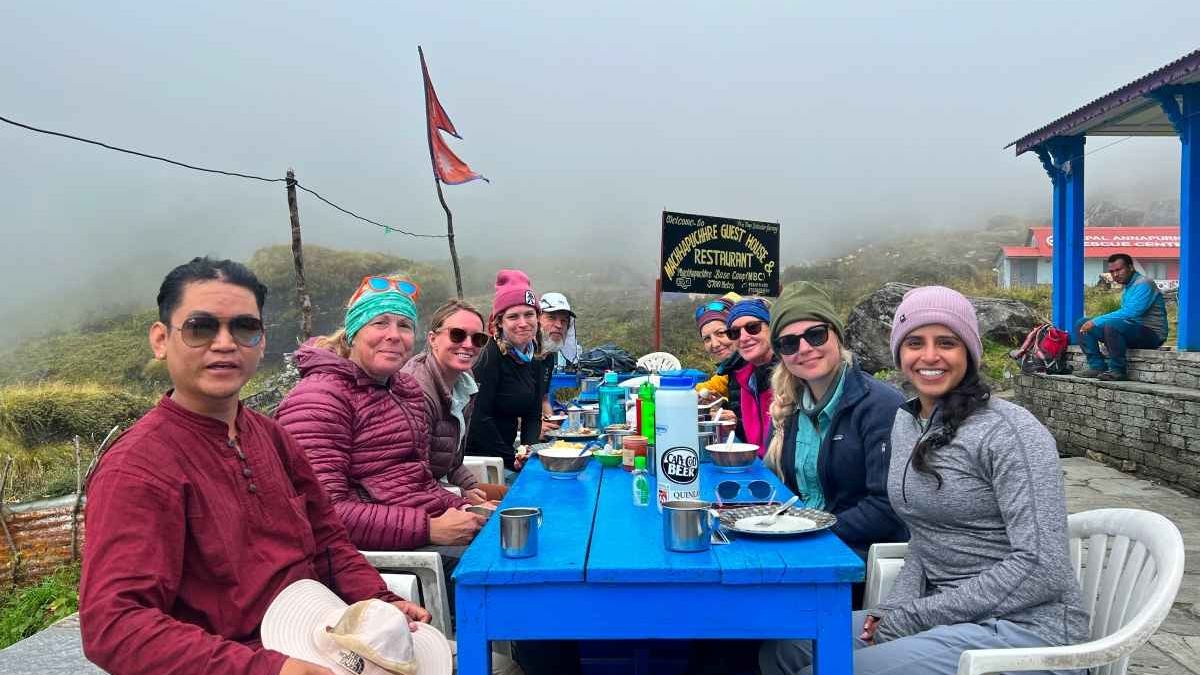
Why does a cup of tea sometimes cost more than your room on a Nepal trek? A simple moment on the trail explains how mountain life really works.
It usually surprises trekkers on their first or second day in the mountains, somewhere above 3,000 meters.
You arrive at a teahouse after a long day of hiking. The room is simple, and the price feels fairly low. You drop your bag, sit near the stove, and order a cup of milk tea.
Later, when you settle the bill, you notice something strange.
The room costs 500 rupees (approx. USD 3.5).
The tea costs 600.
At first, it feels like a mistake. But it isn’t.
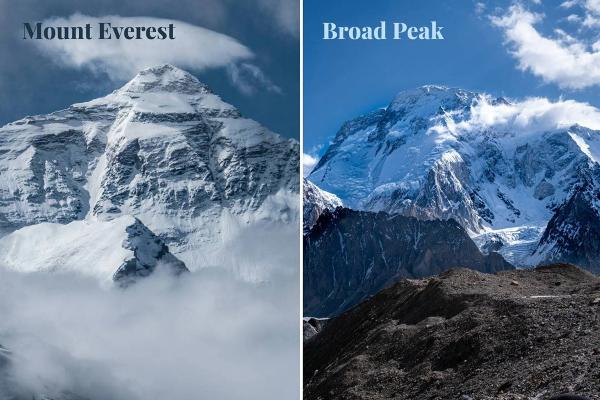
In places like Dingboche or Lobuche on the Everest route, this is normal. Rooms are kept cheap on purpose. Lodge owners want trekkers to stay the night. The real work, and the real cost, is in everything that comes after.
That cup of tea did not come easily.
The milk was carried up from a lower village. The gas used to boil the water was transported by porters or yaks days earlier. Even the sugar came the same way. There are no roads, no trucks, and no shortcuts.
A room, on the other hand, stays where it is. Once built, it costs very little to offer again and again.
This is why, in many trekking villages, food and drinks are priced higher than beds. It is not about profit. It is about effort and survival in remote places.
Many trekkers only realize this when they compare notes in the dining room. Someone laughs about paying more for tea than for sleep. A guide nods and says, “Wait until tomorrow. It will be the same.”
That small moment explains a lot about trekking in Nepal.
The mountains run on human effort. Prices follow altitude, distance, and reality, not comfort. Once you see it this way, that cup of tea stops feeling expensive. It starts feeling earned.
Jeevan Lama
With 15+ years of direct experience in trekking operations and field coordination, he brings deep practical knowledge of Nepal’s trekking routes, safety protocols, and logistics. At Nepwise Adventures, he oversees trek operations, guide coordination, and on-ground execution, ensuring that every trek follows responsible practices and meets professional safety standards.