Solo trekking ban in Nepal: what it really means for independent trekkers

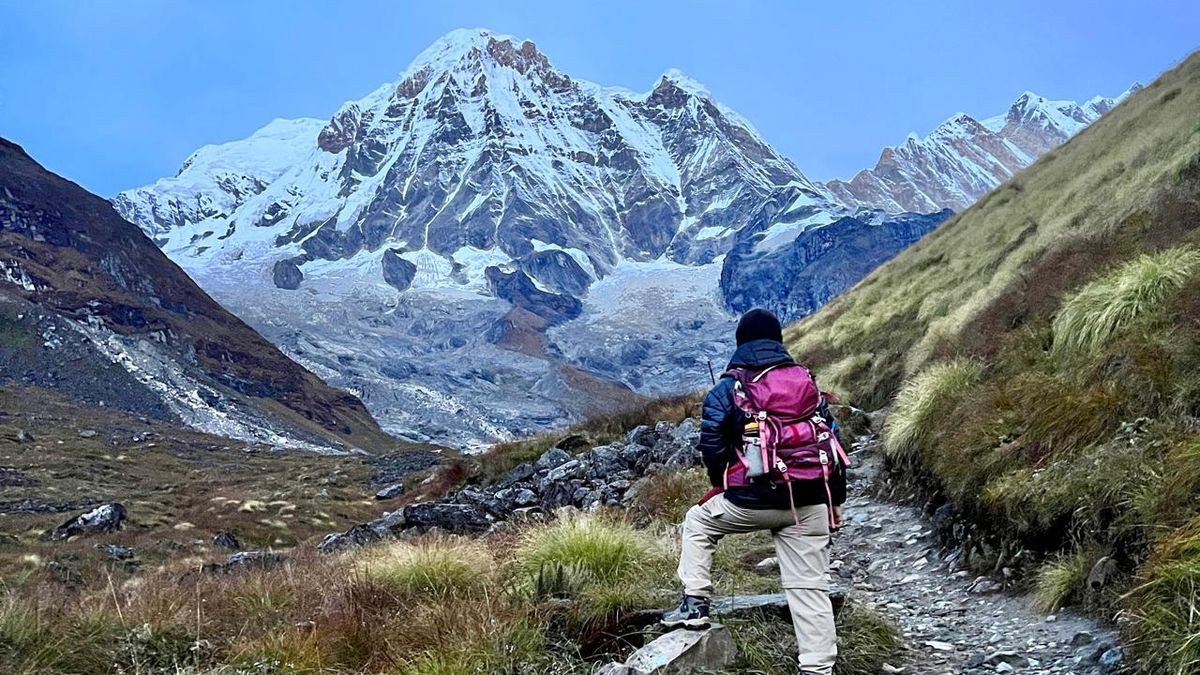
The solo trekking ban in Nepal is little misunderstood by travelers. It simply means that trekking without any licensed local support is no longer permitted in many regions.
For many years, Nepal was one of the few places where trekkers could arrive with a backpack, plan day by day, and walk into the mountains largely on their own. That sense of independence became part of the appeal. So when people started hearing about a “solo trekking ban in Nepal,” confusion started to spread quickly.
Some assumed trekking alone was now illegal. Others thought the mountains had suddenly closed to independent travelers. Neither is quite true.
What has changed is not the ability to trek in Nepal, but the structure around it.
Understanding that difference is important, especially if you value independence, flexibility, and making your own decisions on the trail.
I have been leading treks in Nepal for over a decade, through seasons, policy changes, and countless first time questions. This article explains what the solo trekking rule actually means in practice, without panic and without marketing.
What does the solo trekking ban actually say?
Nepal now requires most foreign trekkers to be accompanied by a licensed guide in popular trekking regions. This applies to areas like Everest, Annapurna, Mustang, Manaslu, Dolpo, Kanchenjunga, Langtang, and several others.
The rule does not mean trekking is banned. It does not mean you must join a large group. It does not mean your entire trip must be pre-packaged or rigid.
It means that trekking without any licensed local support is no longer permitted in many regions. The government’s focus is on safety, accountability, and coordination in remote terrain, not on restricting travel itself.
Why Nepal introduced this rule
From the outside, the rule can look sudden. On the ground, the reasons are not new.
Over the years, search and rescue operations became increasingly complex. Solo trekkers would go missing without clear itineraries, getting lost on poorly marked trails, suffering from acute altitude sickness, or experiencing physical injuries with no one nearby to call for help. The weather would shift quickly. Communication would break down. In some cases, help arrived too late simply because no one knew where someone was supposed to be.
The rule is meant to ensure that someone on the trail is accountable for coordination, permits, and safety decisions. It is not designed to turn trekking into a luxury product or to eliminate independence, even though it sometimes feels that way in practice.
Trekking alone vs trekking independently
This is where most confusion comes from.
For a long time, trekking alone and trekking independently were the same thing. If you did not have a guide, you controlled your pace, your meals, your budget, and your daily choices.
Today, those two ideas are no longer identical.
Trekking alone refers to being without licensed support. Trekking independently refers to how much personal control you have over your daily decisions. The new rule affects the first, not necessarily the second.
You can still trek with an independent mindset, as long as the structure around you meets the legal and safety requirements.
What independent trekkers usually worry about
When people hear they must have a guide, a few fears come up almost immediately.
They worry they will be forced into a group they did not choose. They worry someone else will decide what and how they eat. They worry costs will become unclear or inflated. They worry the trek will feel managed rather than lived.
These concerns are understandable. Many traditional trekking packages are built around convenience for operators, not around flexibility for travelers.
The solo trekking ban rule itself does not create these problems. The way treks are organized can.
What having a guide actually changes
Having a licensed guide changes certain things in very clear ways.
A licensed guide fundamentally changes key aspects of your trek by managing critical logistics: securing permits, planning routes, and making proactive safety decisions. They are your on-the-ground coordinator and first responder, well experienced and equipped to handle shifting weather or health issues, not just a walking companion.
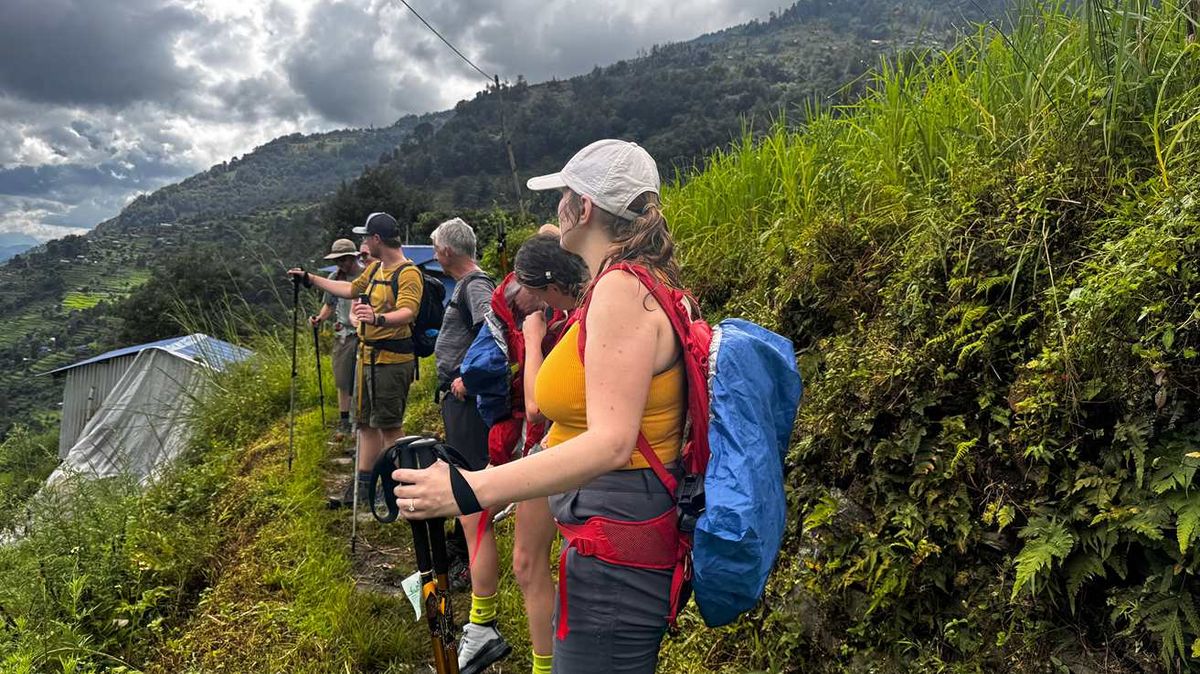
What a guide does not have to change is how you spend your day. Your personal experience and daily choices remain your own. Your preferred food, daily spending, comfort upgrades, and pace (within safe limits) are not overridden by having a guide. Whether you retain control over these choices depends entirely on the trekking model you select.
The different ways treks are organized today
This is where independent trekkers often get stuck.
Some trekking models bundle everything into one fixed price. Food, accommodation, and daily decisions are paid and fixed in advance. This works well for people who want simplicity and avoid even small logistical decisions on the trails.
Other trekking models separate what must be organized in advance from what can be decided daily. Guides, permits, and transport need to be handled professionally and in advance, while meals and personal expenses remain flexible.
Both approaches are legal. Both use guides. They simply reflect different philosophies about control and transparency.
Where frustration usually comes from
Frustration on a trek rarely rises from having a guide itself. It arises from a lack of clarity and control.
Travelers feel frustrated when they prepay for meals they may not want, encounter hidden costs, or have group decisions consistently override their personal preferences. The feeling of being "boxed in" comes from a loss of flexibility without clear explanation. Crucially, these pain points are not inherent to guided trekking. They are specific design choices made by trekking operators.
A practical compromise for independent trekkers
For travelers who still want independence within the rules, a solution exists.
Some trekking operators organize only the essentials that must be handled in advance. Licensed guides, permits, transportation, and route logistics are fixed and transparent. Daily spending, meals, and personal comforts remain personal decisions made on the trail.
This approach respects the regulation while preserving the spirit of independent trekking. It also makes costs clearer and local spending more direct.
Nepwise operates using this pay-on-the-trail model, but it is not the only possible example. The important part is understanding the model and deciding whether it fits how you want to trek.
Is this approach right for everyone?
Not necessarily.
If you prefer having every detail arranged and pre-paid, a traditional all-inclusive trek will feel more comfortable. If managing a daily budget feels like a burden, flexibility may seem like extra effort rather than freedom.
The pay-on-the-trail model is ideal for travelers who value understanding costs clearly, enjoy making personal choices each day, and prioritize transparency over bundled convenience.
Ultimately, knowing which style suits you matters more than any single rule.
The bottom line for solo minded trekkers
Solo trekking in Nepal today is not about walking completely alone. It is about how much freedom you retain within a guided structure.
You can no longer remove structure entirely, but you can choose a system that respects independence, explains costs clearly, and supports rather than controls your experience.
You do not need to trek alone to feel independent. You need the right framework around you.
Frequently asked questions
1. Is solo trekking banned in Nepal?
Solo trekking without a licensed guide is restricted in many trekking regions. Trekking itself is not banned.
2. Can I trek alone with a guide?
You can trek independently with a guide. This means you have licensed support while still making personal daily decisions.
3. Do I have to join a group to trek in Nepal?
No. Many treks operate with small groups or even individual travelers accompanied by a guide.
4. Will a guide control where I eat and sleep?
Not necessarily. While accommodations are often pre-booked (especially in peak season to secure rooms), your daily choices like: where and what to eat are typically your own and paid for directly. The level of control depends more on how the trek is organized than on the guide's role.
5. Is trekking more expensive after the ban?
Costs can change depending on the trekking model. Some systems (operators) add bundled costs, while others like Nepwise separates mandatory logistics and personal on-trail expenses making it cheaper, transparent, and flexible.
6. Can I still make decisions day by day on the trail?
Yes, if you choose a trekking system that allows daily choices rather than fixed packages.

Jeevan Lama
With 15+ years of direct experience in trekking operations and field coordination, he brings deep practical knowledge of Nepal’s trekking routes, safety protocols, and logistics. At Nepwise Adventures, he oversees trek operations, guide coordination, and on-ground execution, ensuring that every trek follows responsible practices and meets professional safety standards.