Manaslu Circuit Trek - 12 Days
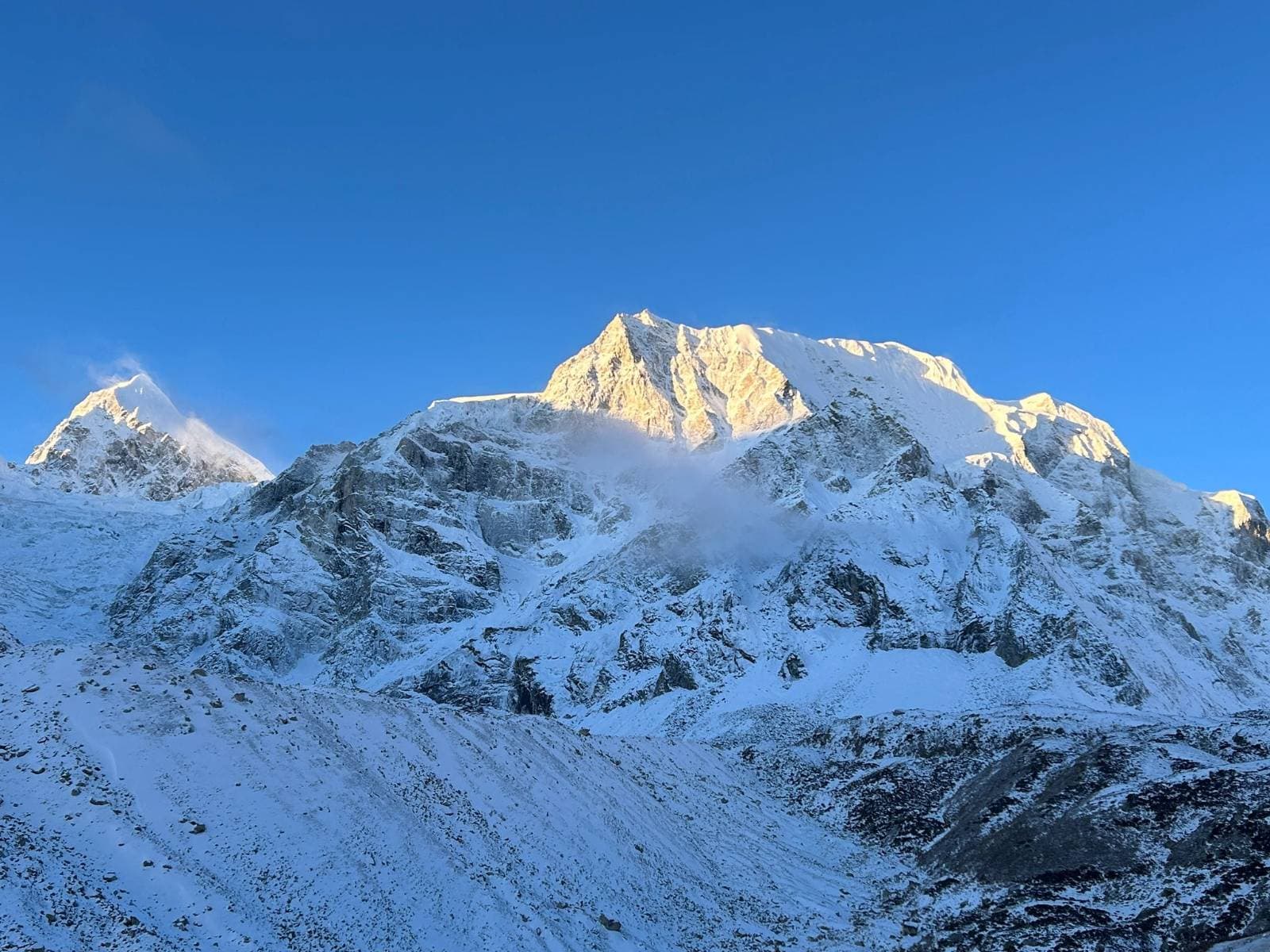

Highlights
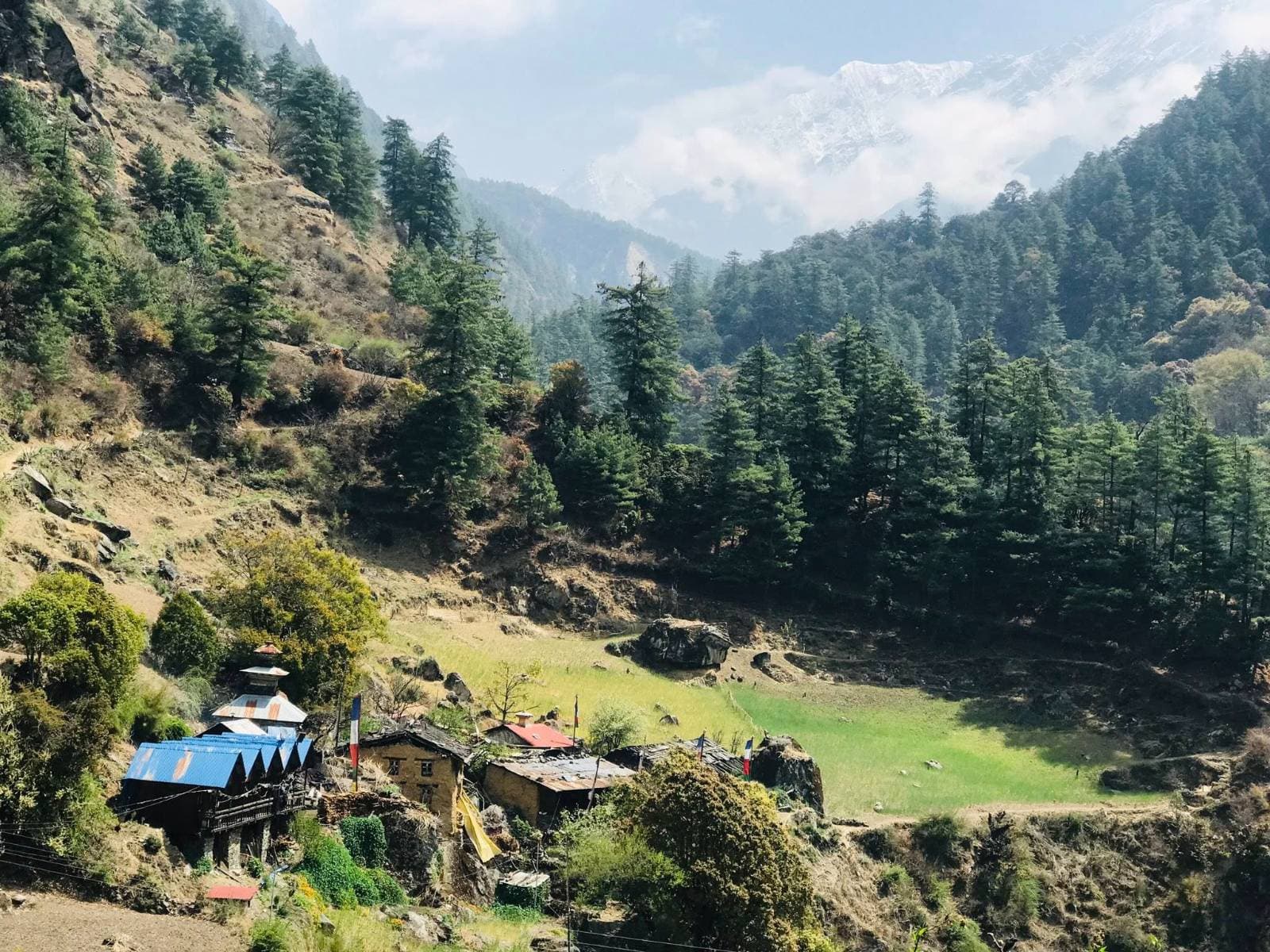
Walk through remote Himalayan villages with strong Tibetan Buddhist culture
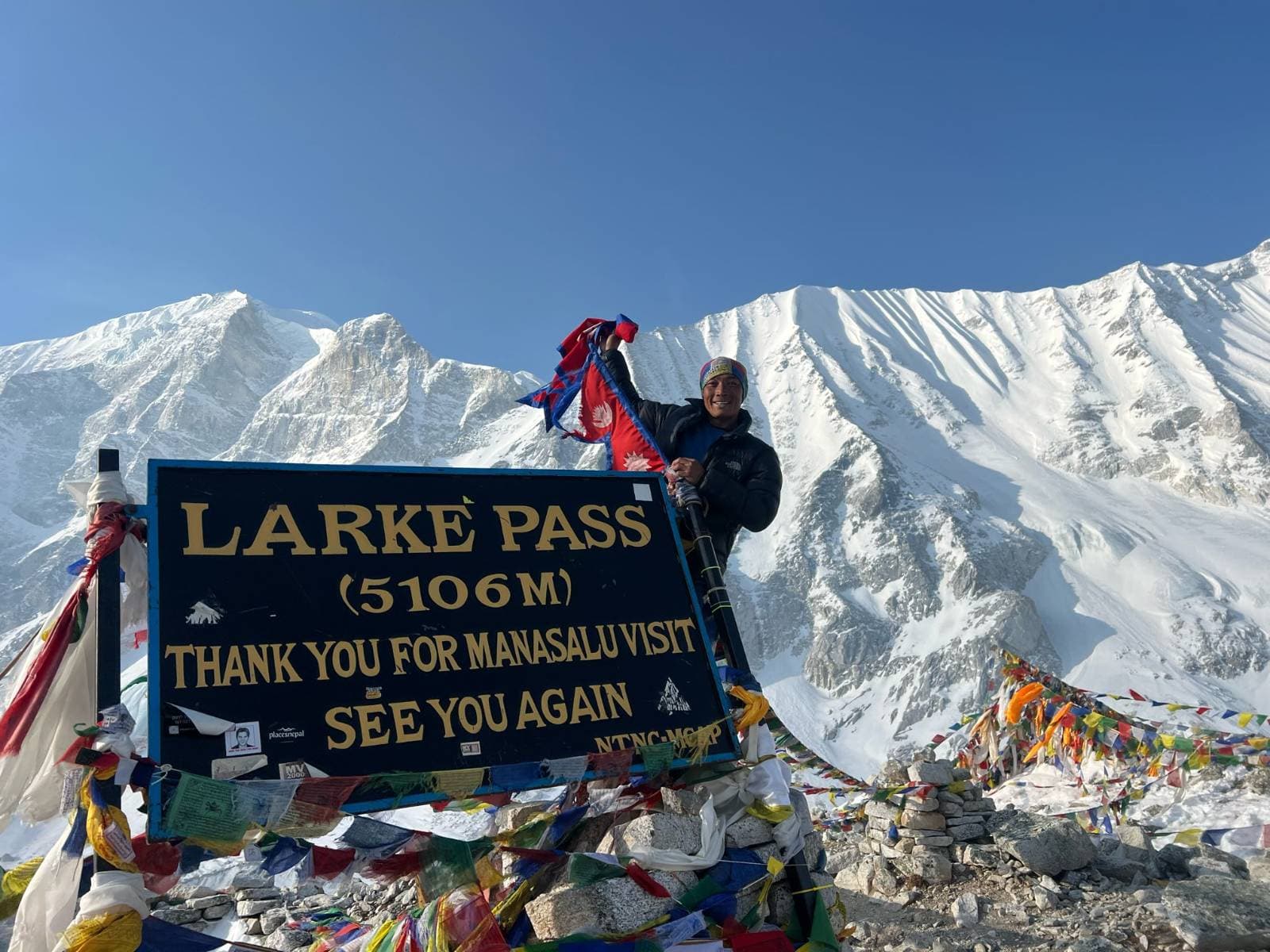
Cross the Larkya La Pass (5,106m), one of Nepal’s longest high mountain passes
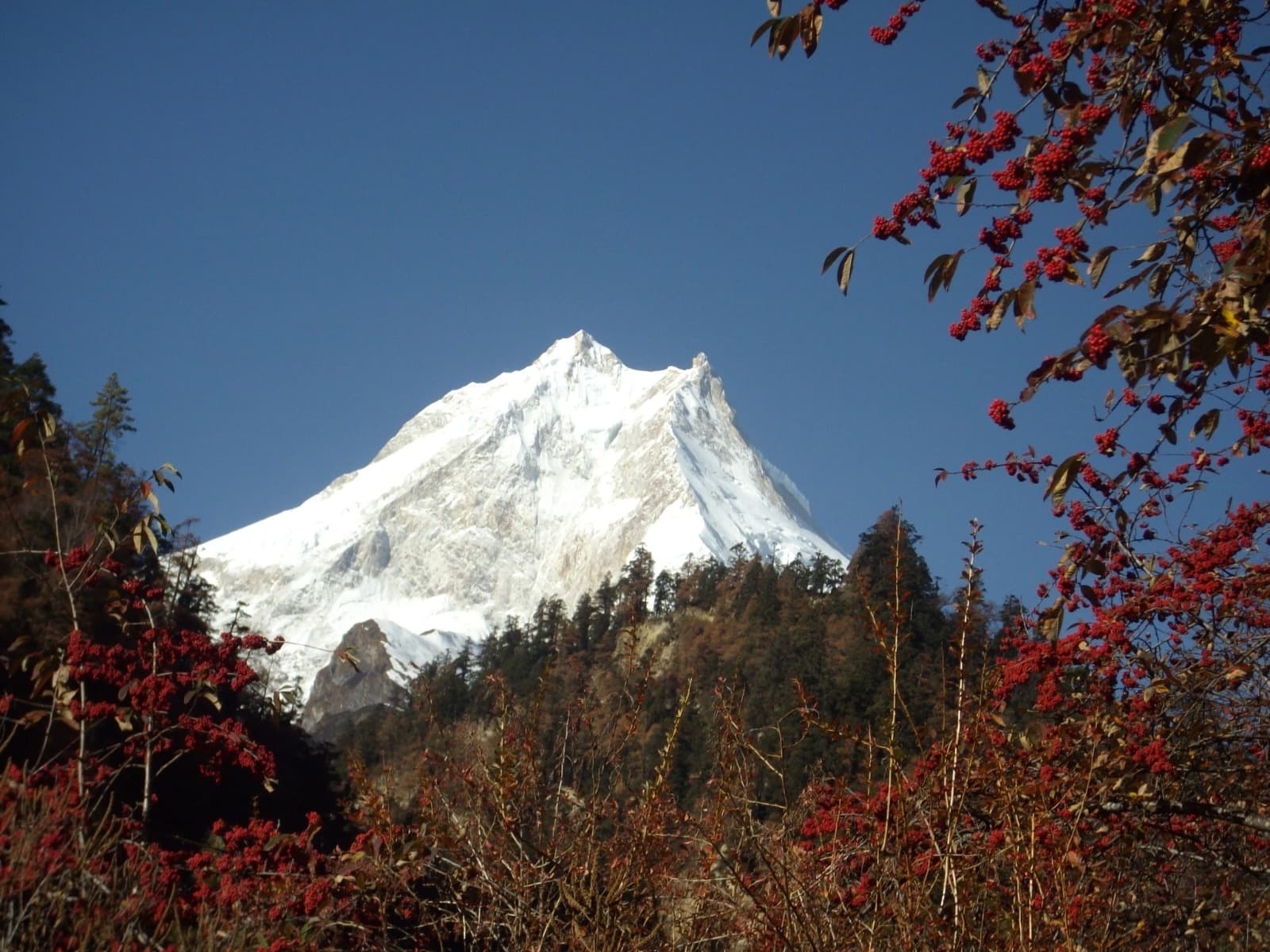
Trek around Mt. Manaslu (8,163m), the world’s eighth-highest mountain
Experience quieter and less crowded trails compared to Everest and Annapurna regions
Explore traditional villages like Sama Gaun, Samdo, and Namrung
Enjoy constantly changing landscapes from green river valleys to alpine terrain and glaciers
Witness panoramic mountain views of Manaslu, Himalchuli, Ngadi Chuli, and surrounding Himalayan peaks
Connect the remote Manaslu region with the beautiful Annapurna region during the final part of the trek
Manaslu Circuit Trek Overview
The Manaslu Circuit Trek is one of the most remote and rewarding treks in Nepal. It offers a quieter and less crowded experience compared to popular routes like Everest Base Camp or Annapurna Circuit Trek. The trail circles Mt. Manaslu (8,163m), the eighth-highest mountain in the world, while passing through river valleys, traditional mountain villages, alpine landscapes, and high Himalayan passes.
The journey starts with a long drive from Kathmandu into the Budhi Gandaki Valley. From there, the trek gradually moves through villages like Jagat, Deng, Namrung, Sama Gaun, and Samdo. As you gain altitude, the scenery changes from green hills and forests to dry alpine terrain surrounded by snowy peaks and glacial valleys.
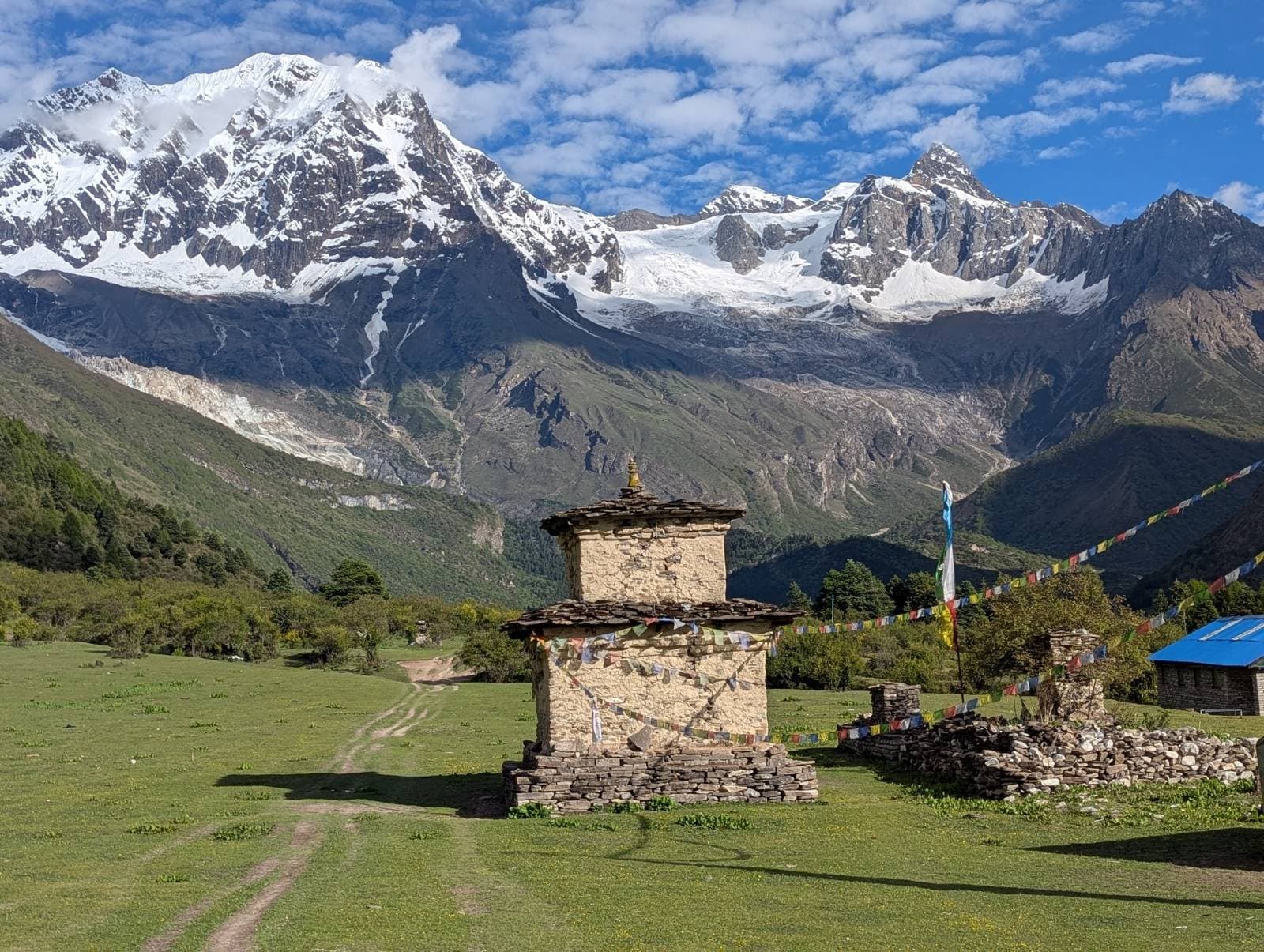
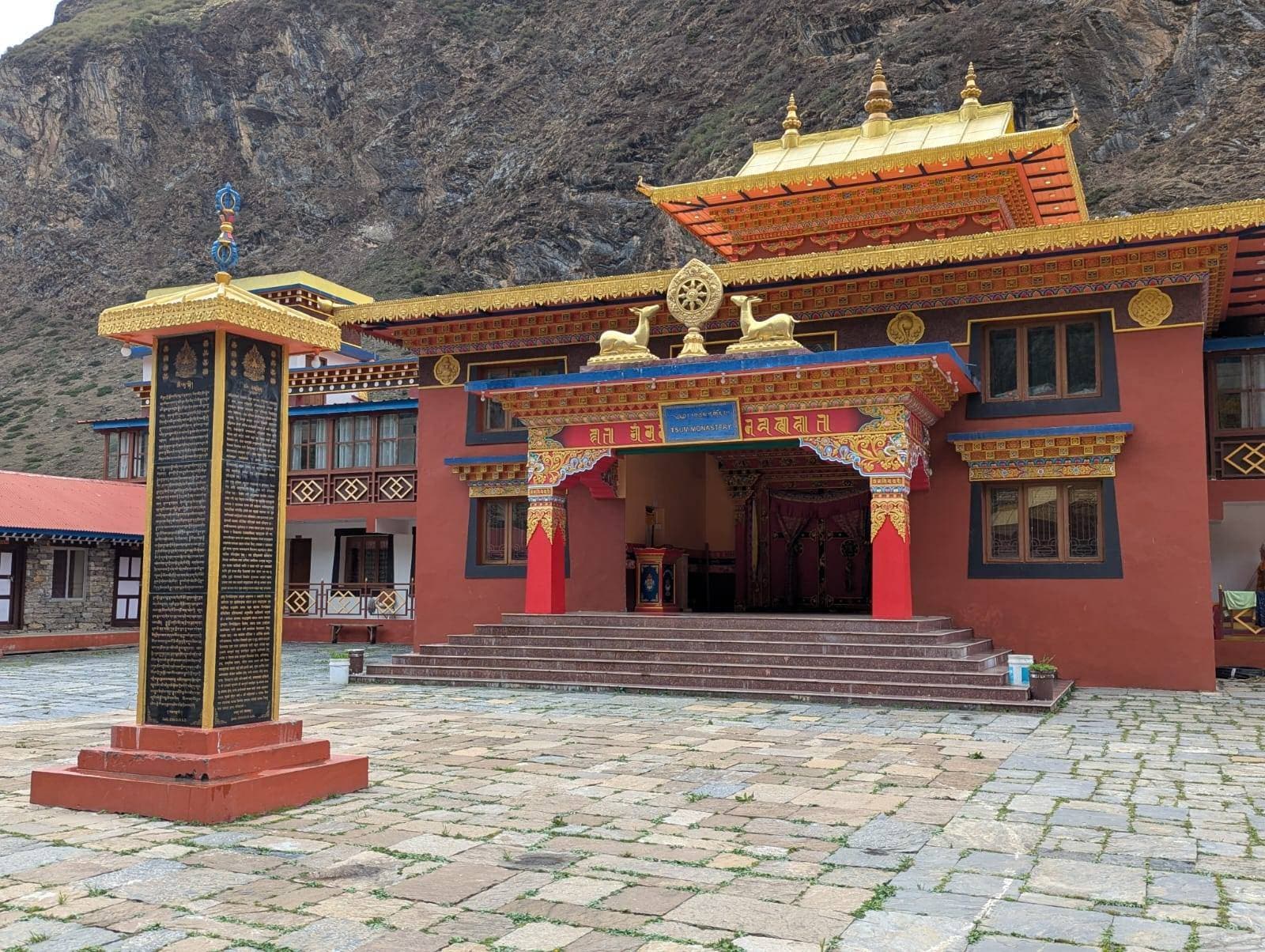
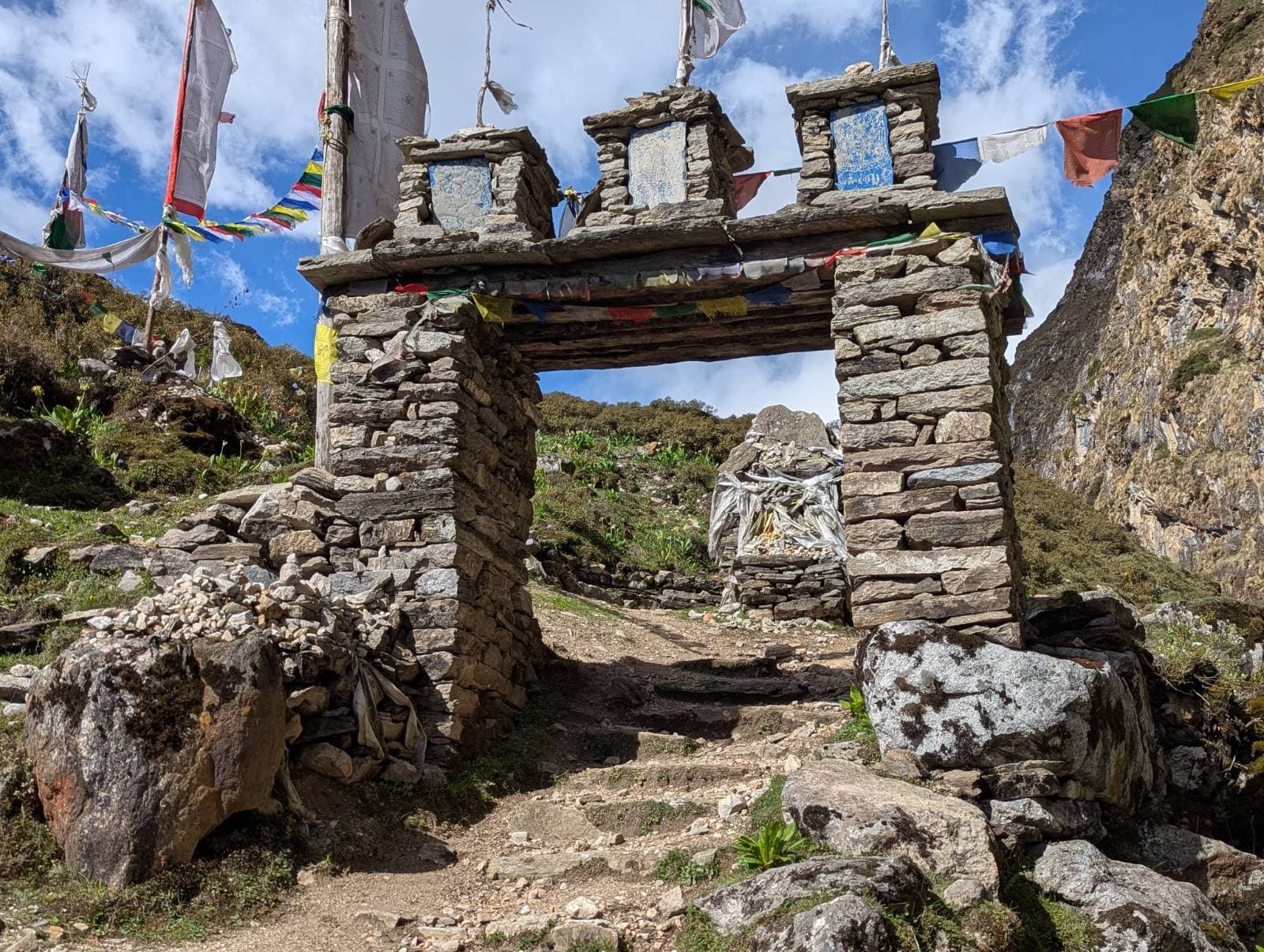
Compared to the Everest and Annapurna regions, the Manaslu trail feels more peaceful and isolated. The upper villages are strongly influenced by Tibetan Buddhist culture, which can be seen in monasteries, mani walls, prayer flags, chortens, and traditional stone houses along the route.
One of the biggest highlights of the trek is crossing Larkya La Pass (5,106m), the highest point of the journey and one of the longest mountain passes in Nepal. The crossing offers dramatic mountain views, glacial landscapes, and a memorable high-altitude trekking experience before descending into the greener Annapurna region.
Since the trek reaches high altitude and passes through remote areas with limited facilities, the Manaslu Circuit is considered more challenging than shorter tea-house treks in Nepal. However, with proper preparation and acclimatization, the trek is manageable for many trekkers.
By the end of this trek, the experience feels less like visiting a single destination and more like traveling through an entire Himalayan region shaped by mountains, rivers, culture, and remote trekking life.
Itinerary

One day before the trek begins, there will be a short briefing in Kathmandu. The exact briefing time and location will be shared with you after your booking is confirmed.
During the briefing, your guide will explain the Manaslu Circuit route, transportation plan, permit requirements, accommodation style, altitude progression, and important safety information.
This is also a good time to meet your guide, ask any last-minute questions, and check your trekking gear before heading into the mountains.
If you still need to rent or purchase trekking equipment, Kathmandu has many trekking shops where essential items can be arranged.
The journey begins early in the morning from Kathmandu with a drive toward the Manaslu region. The first section follows the Prithvi Highway alongside the Trishuli River, passing through busy roadside towns, terraced hills, local markets, and river valleys. This highway section is mostly paved, although traffic leaving Kathmandu can sometimes make the drive slower in the beginning.
After reaching the Aarughat–Soti Khola side, the road gradually becomes rougher and more mountainous. The drive continues along narrow hillside roads beside the Budhi Gandaki River, passing small villages, waterfalls, suspension bridges, and occasional landslide-prone sections depending on the season and recent weather conditions.
Compared to the smoother highway portion earlier in the day, this final section feels much more remote and adventurous, giving the first real sense of entering the Manaslu region.
By evening, you arrive in Machha Khola, a small riverside settlement surrounded by steep green hills and mountain terrain.
Dinner and overnight stay will be at a local lodge in Machha Khola.
Today the trekking part of the trip officially begins. Leaving Machha Khola behind, the trail follows the Budhi Gandaki River through narrow valleys, forest sections, small villages, and a series of suspension bridges.
The route constantly moves up and down along the riverbanks, with a mix of stone staircases, rocky paths, and gradual climbs throughout the day. Along the way, you pass settlements such as Khorlabesi and Tatopani, where natural hot springs are located nearby.
As the trail continues deeper into the valley, the surroundings begin to feel quieter and more remote compared to the previous day. Waterfalls, steep cliffs, and the sound of the river remain part of the landscape for much of the trek.
By afternoon, you arrive in Jagat, a traditional stone-paved village that serves as an important checkpoint for the Manaslu restricted area.
Dinner and overnight stay will be at a local lodge in Jagat.
After breakfast, the trail climbs gradually above the Budhi Gandaki River as the route continues deeper into the Manaslu region. Leaving Jagat behind, the path passes through terraced hillsides, forest sections, suspension bridges, and traditional mountain villages.
Along the way, you pass settlements such as Salleri, Sirdibas, Philim, and Ekle Bhatti.
Philim is one of the larger Gurung villages on the route and offers wide views of the surrounding valley and hillsides. Beyond Philim, the trail begins feeling noticeably quieter and more remote as the valley narrows further into the upper Budhi Gandaki region.
The route continues through bamboo forests, river crossings, and narrow canyon sections before reaching Deng. Compared to the earlier villages, Deng feels smaller, calmer, and more influenced by Tibetan culture as you gradually move higher into the mountains.
Dinner and overnight stay will be at a local lodge in Deng.
Today the trail gradually climbs deeper into the upper Manaslu region, where the landscape and culture begin changing more noticeably. After leaving Deng, the route passes through forested paths, suspension bridges, mani walls, and small settlements scattered along the Budhi Gandaki Valley.
The trail crosses the river several times throughout the day while moving through villages such as Rana, Bihi Phedi, Ghap, and Ghapsyap. Pine forests become more common in this section, and Tibetan Buddhist influence becomes increasingly visible through prayer flags, chortens, and stone carvings along the trail.
Compared to the lower sections of the trek, the valley now feels narrower, quieter, and more alpine in character. On clear days, the first distant mountain views also begin appearing more frequently as you gain altitude.
By afternoon, you arrive in Namrung, a traditional mountain village known for its stone houses, monasteries, and beautiful Himalayan surroundings.
Dinner and overnight stay will be at a local lodge in Namrung.
After leaving Namrung, the trail continues through alpine forests and traditional villages as the upper Manaslu region gradually begins to open up. Compared to the lower valley sections earlier in the trek, today offers much wider mountain views and a stronger high-Himalayan atmosphere.
The route passes through villages such as Lihi, Sho, and Lho, where Tibetan Buddhist culture remains deeply rooted in daily life. Stone houses, mani walls, prayer flags, and monasteries become increasingly common along the trail.
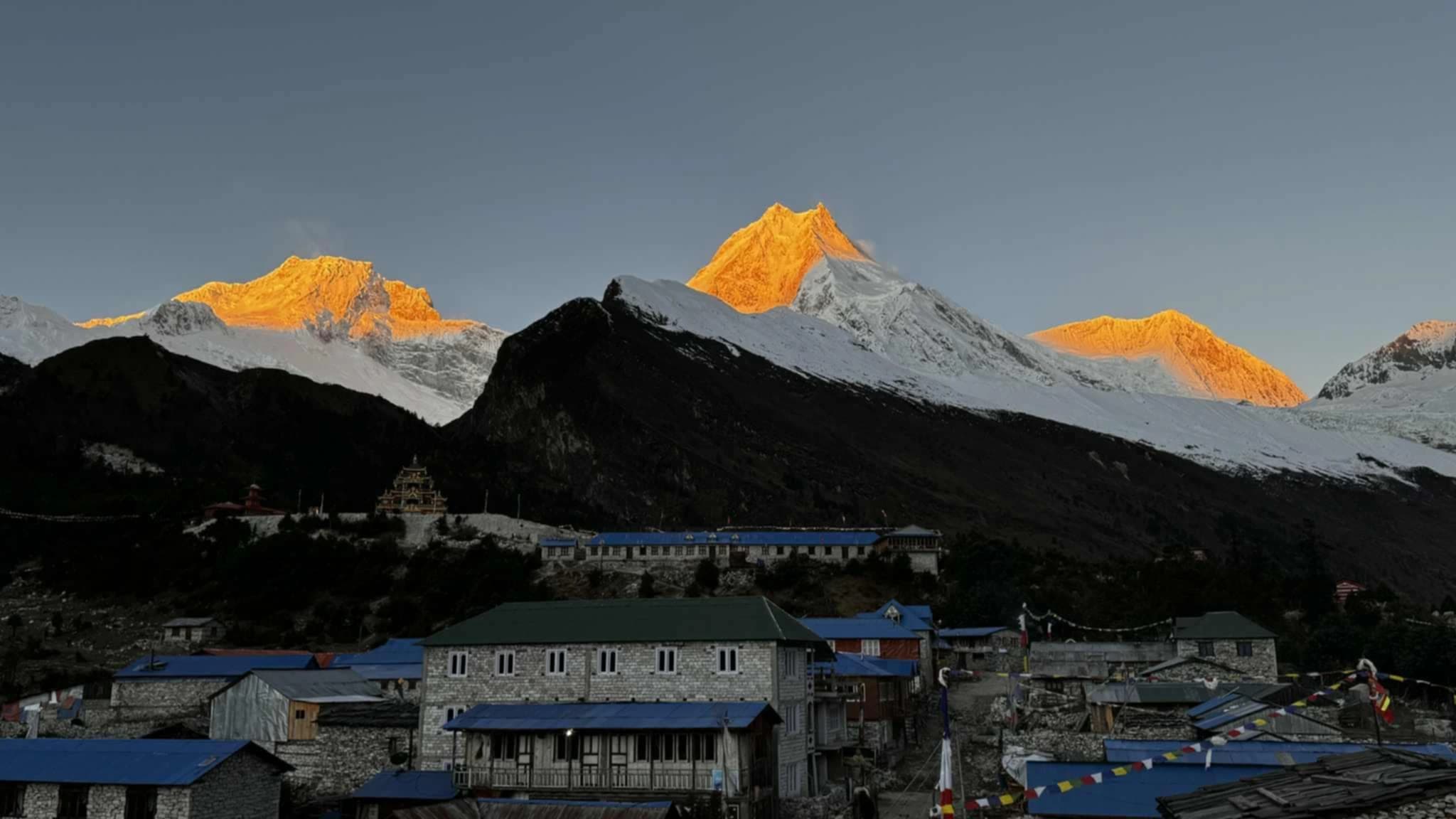
As you gain altitude, the surrounding scenery becomes more dramatic. On clear days, the trail offers impressive views of Mt. Manaslu (8,163m), Himalchuli, Ngadi Chuli, and other surrounding peaks. Near Lho, the large Ribung Monastery can also be seen overlooking the valley beneath Manaslu.
The final section toward Shyala passes through open valleys and yak grazing areas surrounded by snow-covered mountains on multiple sides, making this one of the most scenic days of the trek.
Dinner and overnight stay will be at a local lodge in Shyala.
Today is a shorter and more gradual trekking day as the route continues toward Sama Gaun, one of the main settlements of the upper Manaslu region.
Leaving Shyala behind, the trail passes through wide alpine valleys, yak pastures, mani walls, and glacial streams while remaining relatively gentle compared to previous days.
Throughout the walk, the surrounding mountain scenery stays constantly visible, with Manaslu dominating much of the landscape ahead.
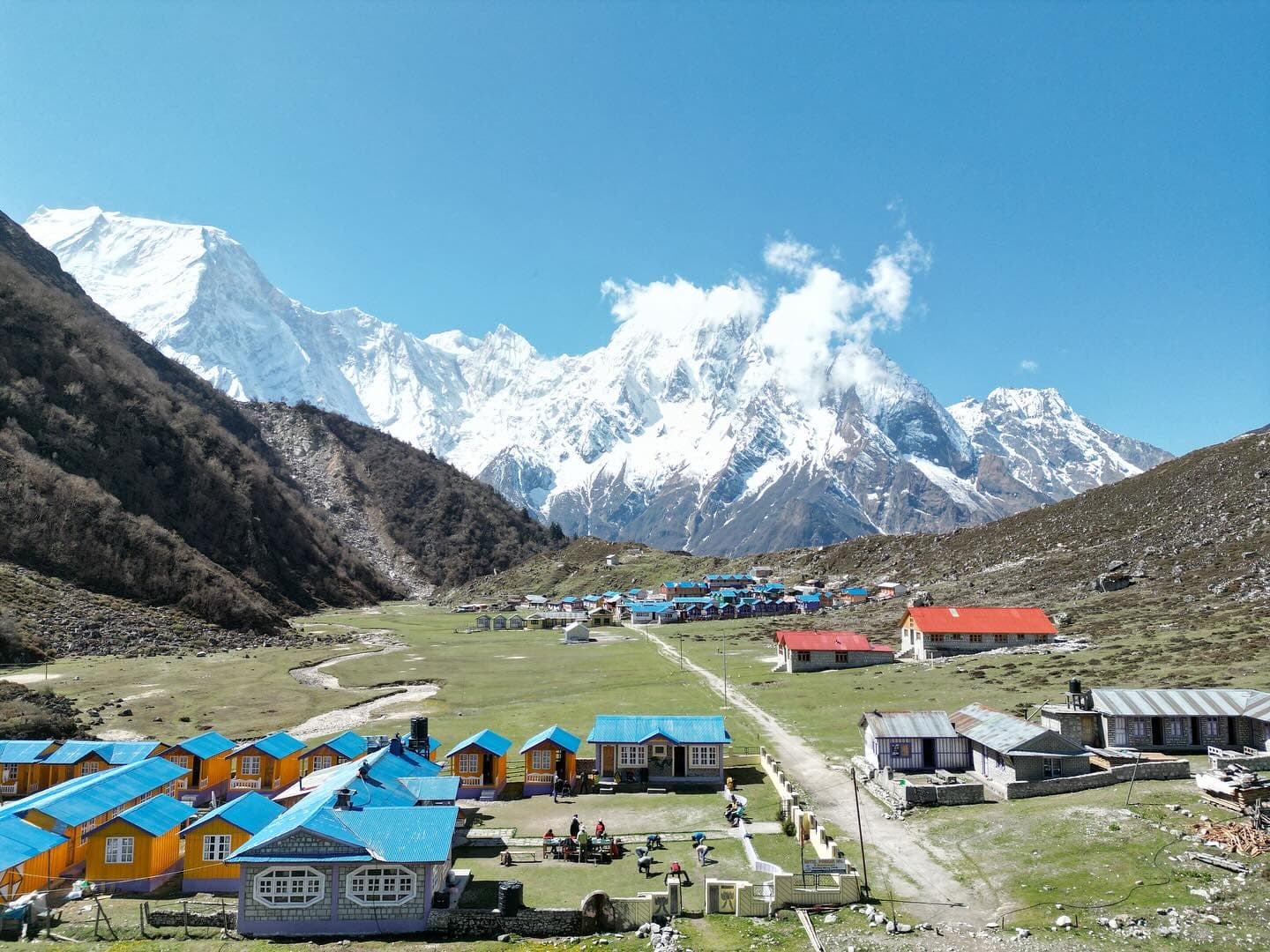
As the trail approaches Sama Gaun, the environment begins to feel more open and high altitude in character. The village itself is a traditional Tibetan-influenced settlement with stone houses, monasteries, prayer flags, and strong cultural ties to the Himalayan Buddhist lifestyle of the region.
Because the trekking duration is shorter today, many trekkers spend the afternoon resting, exploring the village, or preparing for the acclimatization day ahead.
Dinner and overnight stay will be at a local lodge in Sama Gaun.
Today is reserved for acclimatization before moving toward higher altitude and the Larkya La Pass section of the trek. Spending an extra day in Sama Gaun helps the body gradually adjust to the thinner air while reducing the risk of altitude-related problems later.
Rather than staying inactive, trekkers usually take an acclimatization hike to a higher elevation before returning back to Sama Gaun for the night. Popular options include
Manaslu Base Camp or Pungyen Gompa, depending on weather, trail conditions, and group preference.
The hike toward Manaslu Base Camp offers closer views of the Manaslu Glacier and surrounding snow-covered peaks, while the Pungyen Gompa route provides a quieter trail with wide mountain scenery and monastery surroundings overlooking the valley.
Compared to the previous trekking days, today moves at a slower and more flexible pace. The remainder of the afternoon is usually spent resting, hydrating, exploring the village, or preparing for the higher sections ahead.
Dinner and overnight stay will be at a local lodge in Sama Gaun.
After breakfast, the trail gradually climbs out of Sama Gaun and continues deeper into the upper Budhi Gandaki Valley toward Samdo, the final permanent settlement before the Larkya La Pass crossing.
Compared to the greener lower sections earlier in the trek, the landscape now feels much drier, wider, and more alpine. Trees become scarce, while open valleys, yak pastures, glacial streams, and rocky hills dominate the surroundings.
The route remains relatively gradual, allowing the body to continue adjusting to the increasing altitude. Along the way, views of Manaslu and the surrounding Himalayan ranges remain visible for much of the walk.
By afternoon, you arrive in Samdo, a remote Tibetan-influenced village located close to the Tibetan border region. The village has a quiet and isolated atmosphere, with stone-built houses, prayer flags, and mountain scenery surrounding the settlement from nearly every direction.
Dinner and overnight stay will be at a local lodge in Samdo.
Today is a shorter but important trekking day as the route gradually moves closer to Larkya La Pass. Leaving Samdo behind, the trail climbs steadily through dry alpine terrain with increasingly open mountain views and thinner vegetation.
The route passes yak grazing areas, glacial streams, and rocky valley sections while gradually gaining elevation throughout the day. Due to the higher altitude, the pace today is usually slower and more controlled to help conserve energy for the pass crossing ahead.
As the trail continues higher, the environment begins feeling noticeably more remote and rugged, with fewer signs of permanent settlement along the route.
By afternoon, you arrive at Dharamsala, also known as Larkya Phedi, a small seasonal settlement used mainly as a resting point before crossing Larkya La Pass.
The remainder of the day is usually spent resting, hydrating, and preparing trekking gear for the early morning start the following day.
Dinner and overnight stay will be at a local lodge in Dharamsala.
Today is the highest and most physically demanding day of the Manaslu Circuit Trek.
The journey begins very early in the morning, usually before sunrise, as the trail steadily climbs toward Larkya La Pass through cold alpine terrain and glacial landscapes.
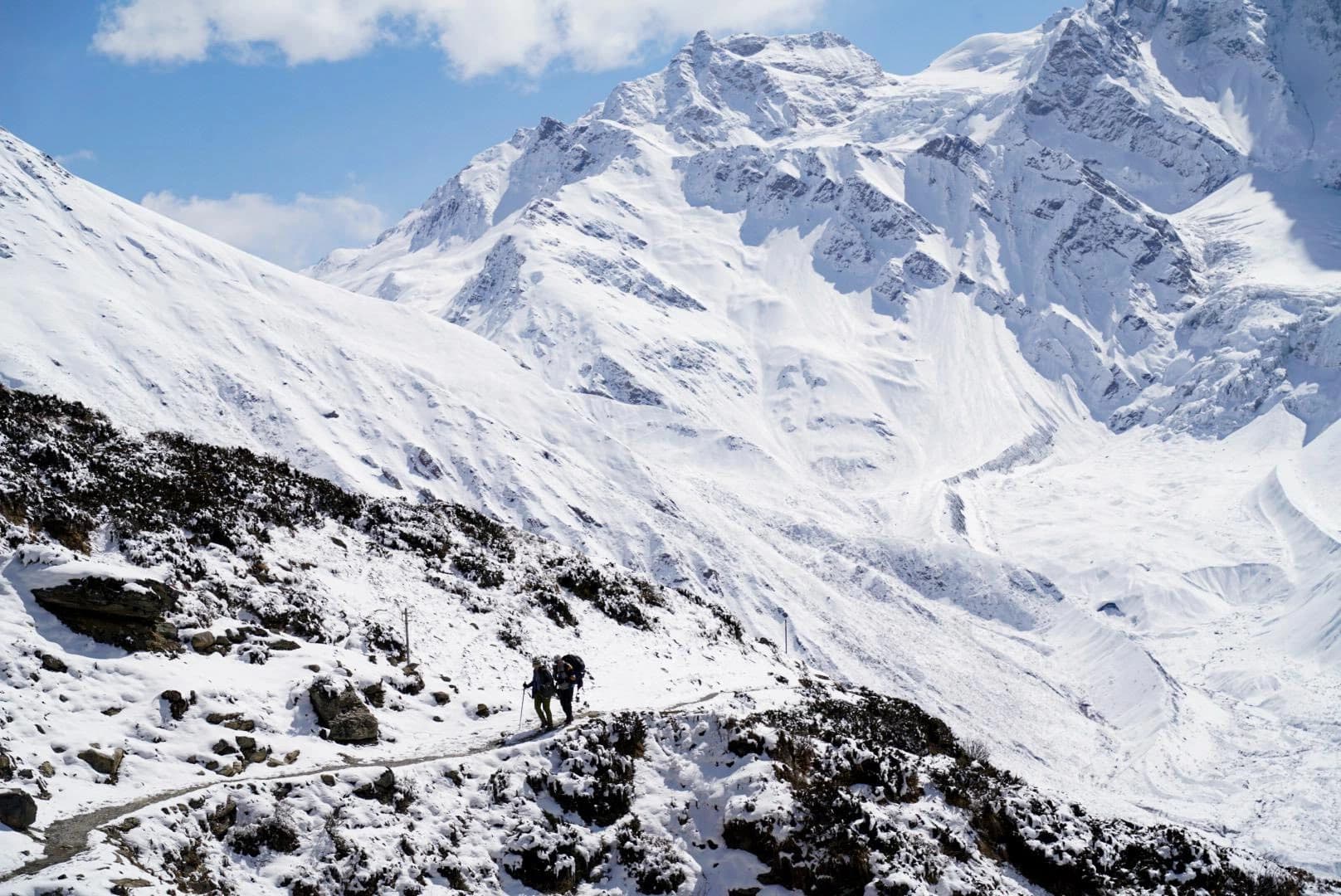
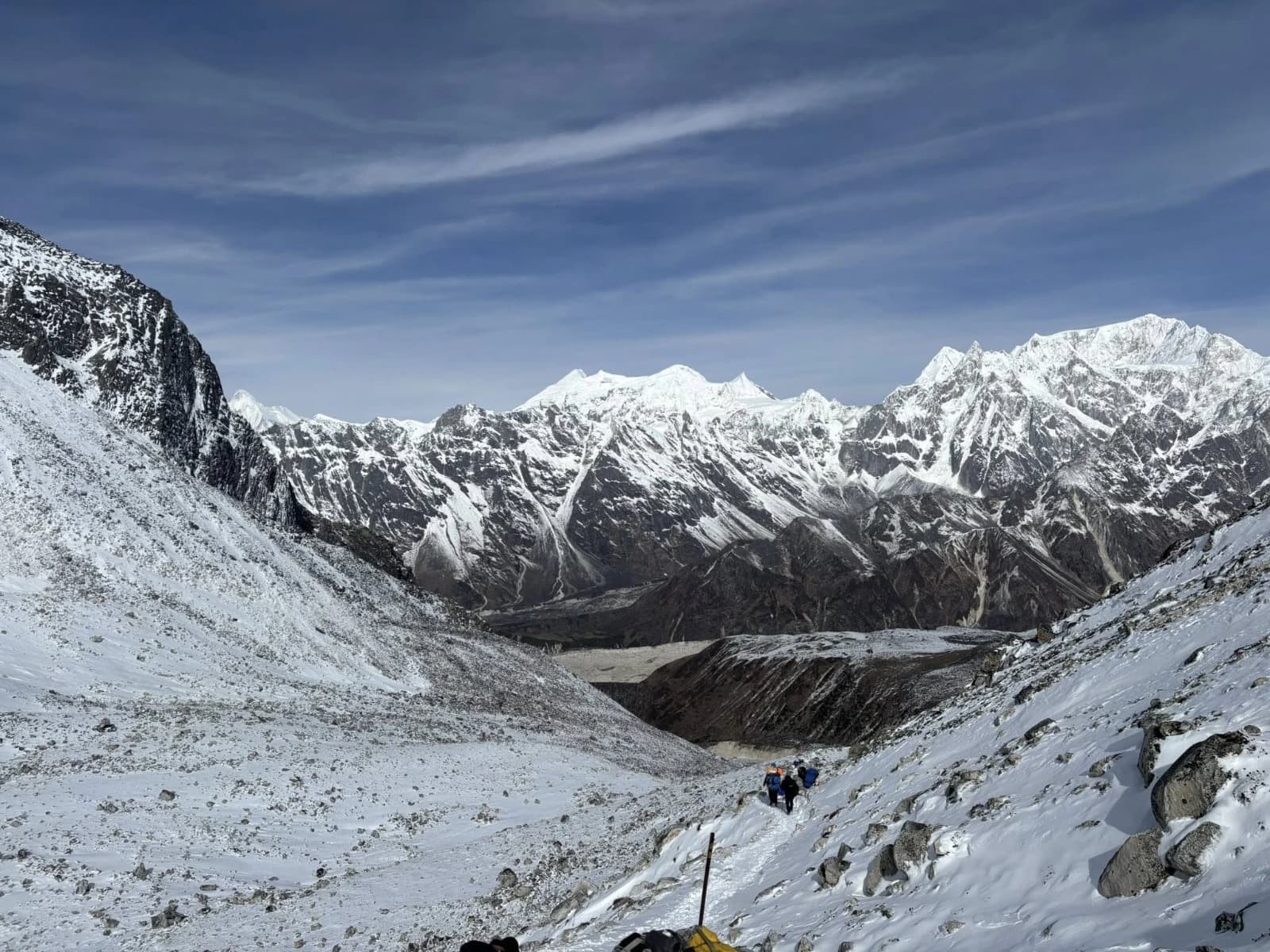
Compared to previous trekking days, the altitude and long duration make today more challenging, so the pace is usually slow and consistent throughout the ascent. As the trail climbs higher, the surroundings become increasingly rugged, with snow-covered slopes, frozen sections depending on the season, and wide Himalayan views opening gradually along the route.
After several hours of steady climbing, you finally reach Larkya La Pass (5,106m), marked by prayer flags and panoramic mountain scenery stretching across Himlung Himal, Cheo Himal, Kang Guru, and Annapurna II.
From the pass, the trail descends toward Bimthang through rocky terrain, glacial valleys, and snow-fed streams. As you lose altitude, vegetation slowly begins to reappear and the landscape gradually becomes greener again.
After a long day on the trail, you finally arrive in Bimthang, a peaceful settlement surrounded by Himalayan peaks and open valleys.
Dinner and overnight stay will be at a local lodge in Bimthang.
Leaving the high alpine region behind, today’s trail descends steadily through forests, rivers, and greener mountain valleys toward Dharapani.
Compared to the rugged terrain around Larkya La Pass, the environment now feels noticeably warmer and more comfortable. The trail passes through rhododendron and pine forests, wooden bridges, waterfalls, and small settlements while gradually reconnecting with the Annapurna region trail network.
Along the way, you pass villages such as Gho and Tilije, where the landscape begins transitioning back into greener hillsides and cultivated farmland after several days in the dry alpine environment.
As the descent continues, the Budhi Gandaki Valley slowly gives way to the Marsyangdi region, marking the final stage of the Manaslu Circuit journey.
By afternoon, you arrive in Dharapani, a well-known trekking village located along the Annapurna Circuit route.
Dinner and overnight stay will be at a local lodge in Dharapani.
Today the journey returns to Kathmandu by jeep. Leaving Dharapani behind, the road descends through mountain villages, forests, river valleys, and winding hillside roads before reconnecting with the main highway system.
The first section of the drive follows rough mountain roads alongside the Marsyangdi River toward Besisahar. From there, the journey continues along the Prithvi Highway beside the Trishuli River back toward Kathmandu.
Compared to the remote mountain trails and high alpine sections of previous days, today feels calmer and more reflective as the landscape gradually shifts from Himalayan valleys back into busy towns and city surroundings.
By evening, you arrive back in Kathmandu, where the Manaslu Circuit Trek officially concludes.
Map
Packing List
Upper Body
- Warm jacket (down or thick fleece)
- Light jacket or rain jacket (windproof and waterproof)
- Trekking shirts (2 to 3, quick dry)
- Thermal top
- Warm hat or beanie
- Sun hat or cap
- Gloves (1 light pair, 1 warm pair)
Lower Body
- Trekking pants (2 pairs)
- Thermal pants or leggings
- Waterproof pants
- Trekking boots
- Trekking socks
- Sandals or flip flops
Undergarments
- Quick dry underwear
- Sports bras (women)
First Aid and Medications
- Band-aids
- Altitude sickness medicine (if prescribed)
- Electrolyte packets
- Your personal medicines (bring extra)
Other Essentials
- Sunscreen (SPF 30 or higher)
- Lip balm with SPF
- Hand sanitizer
- Polarized Sunglasses
- Reusable water bottle
We will carry the medicines and first-aid kits during the trek. However, we recommend you bring additional items based on your personal preferences and the specific conditions of the trip.
Inclusions
What's Included In This Trip?
Restricted Area Permit (RAP)
Manaslu Conservation Area Permit (MCAP)
Annapurna Conservation Area Permit (ACAP)
Trekkers’ Information Management System (TIMS) card.
An experienced, licensed, and insured trekking guide who leads the trek and supports you throughout the journey.
12 night of mountain lodge/hotel accommodation during the trek.
Kathmandu to Machha Khola (Local bus/Jeep)
Dharapani to Kathmandu (Local bus/Jeep)
Your guide is trained to manage altitude related issues and coordinate support in case of illness or emergency.
Your guide is fully covered with travel and evacuation insurance during the trek.
Route planning, daily coordination, and on-trail assistance so you can focus on the trekking experience.
Trekking Permits
Experienced Local Guide
Accommodation during the Trek
Ground Transportation
Emergency Support
Insurance for Your Guide
Trek Coordination and Support
What's Excluded In This Trip?
Meals and drinks are not part of the base package
You may either add a meal plan in advance or pay directly at teahouses during the trek.
Porter service is not included in the base package.
You can add a porter during booking if you prefer support with your backpack.
Travel insurance covering high-altitude trekking is mandatory and must be arranged by you.
Personal expenses such as hot showers, charging, WiFi, and snacks are not included.
Tipping is part of the trekking culture in the mountains and is appreciated by guides and porters as recognition of their work.
Meals During the Trek (Optional Add-on)
Porter Services (Optional Add-on)
Your Travel Insurance
Personal Expenses
Tips for Staff
Fixed Departures
FAQs
General Trek Information
The Manaslu Circuit Trek is considered a challenging trek due to its long trekking days, remote terrain, and high altitude crossing at Larkya La Pass (5,106m).
Most Manaslu Circuit Trek itineraries take around 12–16 days depending on the route, acclimatization days, side trips, and transportation choices.
The best seasons are spring (March to May) and autumn (September to November) when the weather is generally stable and mountain views are clearer.
No. Compared to Everest and Annapurna regions, the Manaslu Circuit Trek remains much quieter and less commercialized.
The trek usually starts from Machha Khola after driving from Kathmandu and ends at Dharapani in the Annapurna region.
Permits & Trekking Requirements
You are required to have four different permits.
Manaslu Restricted Area Permit (RAP)
Manaslu Conservation Area Permit (MCAP)
Annapurna Conservation Area Permit (ACAP)
Trekkers' Information Management System (TIMS).
Yes. The Manaslu region is a restricted trekking area, so trekking with a licensed guide is mandatory.
Yes, it is possible to do the Manaslu Circuit Trek with flexible arrangements, but Nepal regulations require trekkers in the Manaslu restricted area to be accompanied by a licensed guide. The trek also requires special permits that must be arranged through a registered trekking agency.
Yes. Travel insurance covering high-altitude trekking and emergency evacuation is mandatory for this trek.
Accommodation & Meals
Accommodation is mainly in tea houses and local mountain lodges with basic but comfortable twin-sharing rooms.
Attached bathrooms are available in some lower villages, but higher altitude villages mostly have shared common bathrooms.
Tea houses offer a variety of meals including Dal Bhat, noodles, fried rice, soups, pasta, potatoes, pancakes, eggs, tea, and coffee.
Yes, drinking water is available throughout the Manaslu Circuit Trek. Bottled water is available in villages, although prices increase at higher elevations.
Natural spring water is also commonly available along the trail and is usually free to access. Many trekkers use purification tablets, filters, or UV purifiers before drinking. Tea houses also provide boiled drinking water for a small additional cost.
Yes, charging and Wi-Fi are available in many villages, usually for an extra fee, especially at higher altitudes.
Guides, Porters & Group Details
Yes. A licensed trekking guide is included and required for the Manaslu Circuit Trek.
Yes. Porter service can be added to your base package to help carry your bag during the trek.
One porter usually carries up to 20–25kg and is commonly shared between two trekkers.
Yes. Both private treks and small group fixed departures are available depending on your preference.
Group sizes are generally small, often ranging from 2 to 8 trekkers.
What You Pay & What to Budget
If meals are not added as an add-on, you should budget separately for food and drinks during the trek. You should also budget for personal expenses such as charging, Wi-Fi, hot showers, snacks, drinks, and tips.
Most trekkers usually budget around USD $30–$50 per day, depending on their spending habits and comfort preferences.
Budget around USD $25–$40 per day for personal expenses, depending on your spending habits and comfort preferences.
ATMs are not available on the Manaslu trekking route, so it is important to carry enough cash from Kathmandu.
Most tea houses and shops only accept cash payments.
Health, Safety & Altitude
Larkya La Pass (5,106m) is the highest point of the Manaslu Circuit Trek.
Yes. Since the trek reaches above 5,000 meters, proper acclimatization and gradual ascent are very important.
Guides are trained to respond to altitude-related situations and can coordinate emergency evacuation if needed. The evacuation and medical costs will be coordinated with your insurance provider.
Previous trekking experience is helpful but not mandatory if you are physically prepared and comfortable walking for multiple days.
Experience & Local Culture
The Manaslu Circuit offers a more remote and less crowded experience with strong Tibetan Buddhist culture and dramatic Himalayan scenery.
The upper Manaslu region has strong Tibetan Buddhist influence, visible through monasteries, prayer flags, mani walls, chortens, and traditional villages.
Yes. The trek offers views of Mt. Manaslu, Himalchuli, Ngadi Chuli, Ganesh Himal, and several surrounding Himalayan peaks.
Yes. The trek is ideal for trekkers looking for a more peaceful and off-the-beaten-path Himalayan experience.
If you need to cancel your trip, our refund policy follows a simple step-by-step process. Make sure to check the terms before finalizing your plans.Learn more