Why Many Trekkers Eat Less as They Go Higher in Nepal

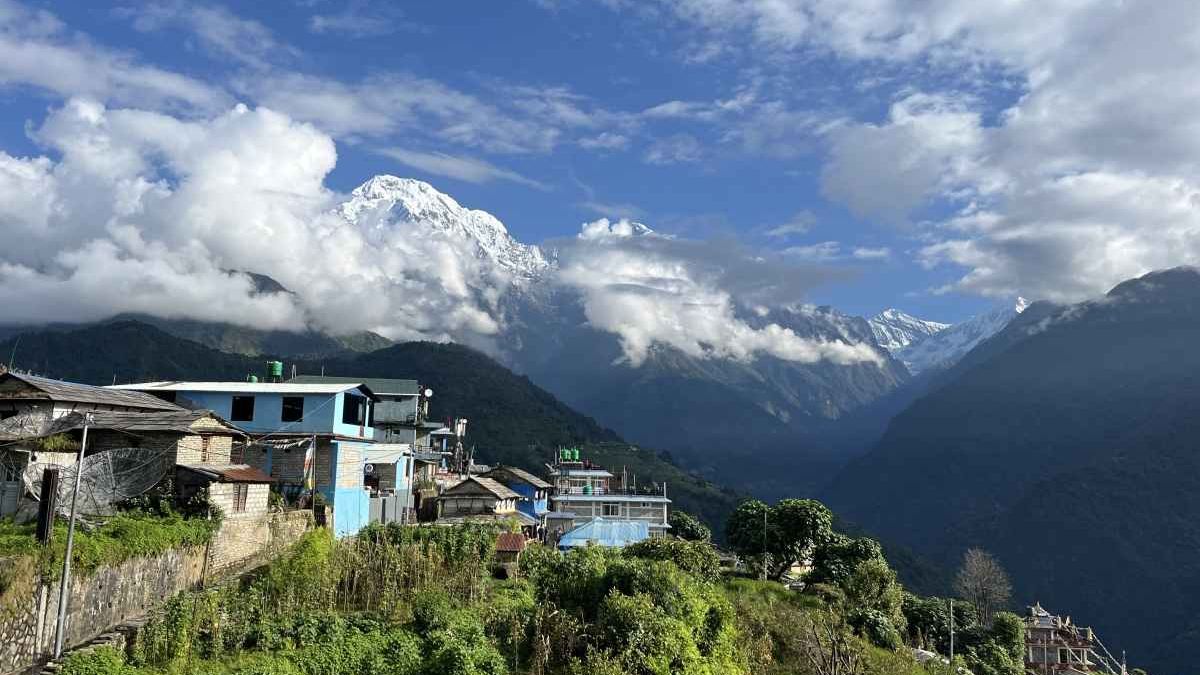
As altitude increases on a Nepal trek, many people naturally eat less. A trekking leader shares why this quiet change is a normal part of the mountain experience.
There is a moment most trekkers remember, even if they don’t think much about it at the time.
A few days into the mountains, after gaining some altitude, you sit down for dinner and realize you’re not as hungry as before. You order something lighter. Maybe just soup and tea. It feels normal, even expected.
In places like Dingboche or Manang, this happens to many people.
As the trail climbs higher, the body starts adjusting in small ways. One of the most common is a change in appetite. Meals that felt easy at lower altitude suddenly feel heavy. Warm drinks feel more appealing than big plates of food.
Experienced guides see this often. It’s not something to fear, and it doesn’t mean something is wrong. It’s simply part of how the body responds when oxygen levels change and days become longer and colder.
This is also why trekking in Nepal follows a slower rhythm at altitude. Shorter hiking days, acclimatization stops, and time to rest are built into most routes. Eating becomes less about quantity and more about listening to what feels right.
Some days you eat well. Other days, you don’t. Both are part of the experience.
Many trekkers only notice this later, when they look back at photos or journals and remember how their meals changed as the landscape opened up. It becomes one of those small, human details that makes the journey feel real.
The mountains don’t always announce their presence loudly.
Sometimes, they show themselves through quiet changes that feel natural once you understand them.

Jeevan Lama
With 15+ years of direct experience in trekking operations and field coordination, he brings deep practical knowledge of Nepal’s trekking routes, safety protocols, and logistics. At Nepwise Adventures, he oversees trek operations, guide coordination, and on-ground execution, ensuring that every trek follows responsible practices and meets professional safety standards.