Mardi Himal Trek - 5 Days

Trip Highlights
A short 5-day trek from Pokhara, easy to fit into a limited travel plan
A ridge-based trail that is simple and easy to follow
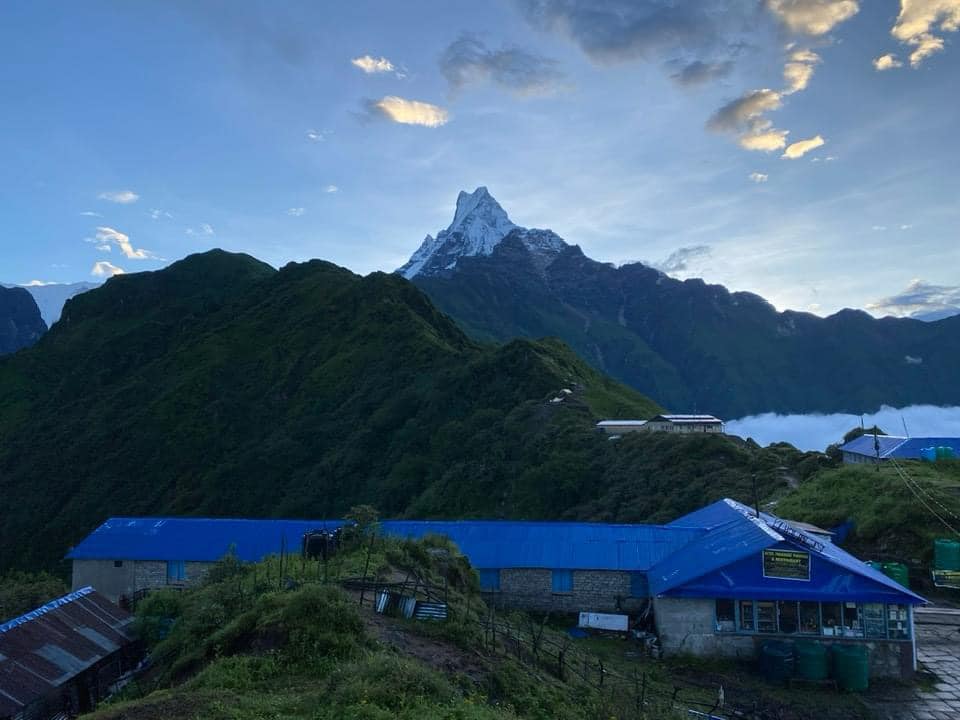
Trail moves gradually from dense forest to open alpine terrain with Annapurna and Machapuchare views
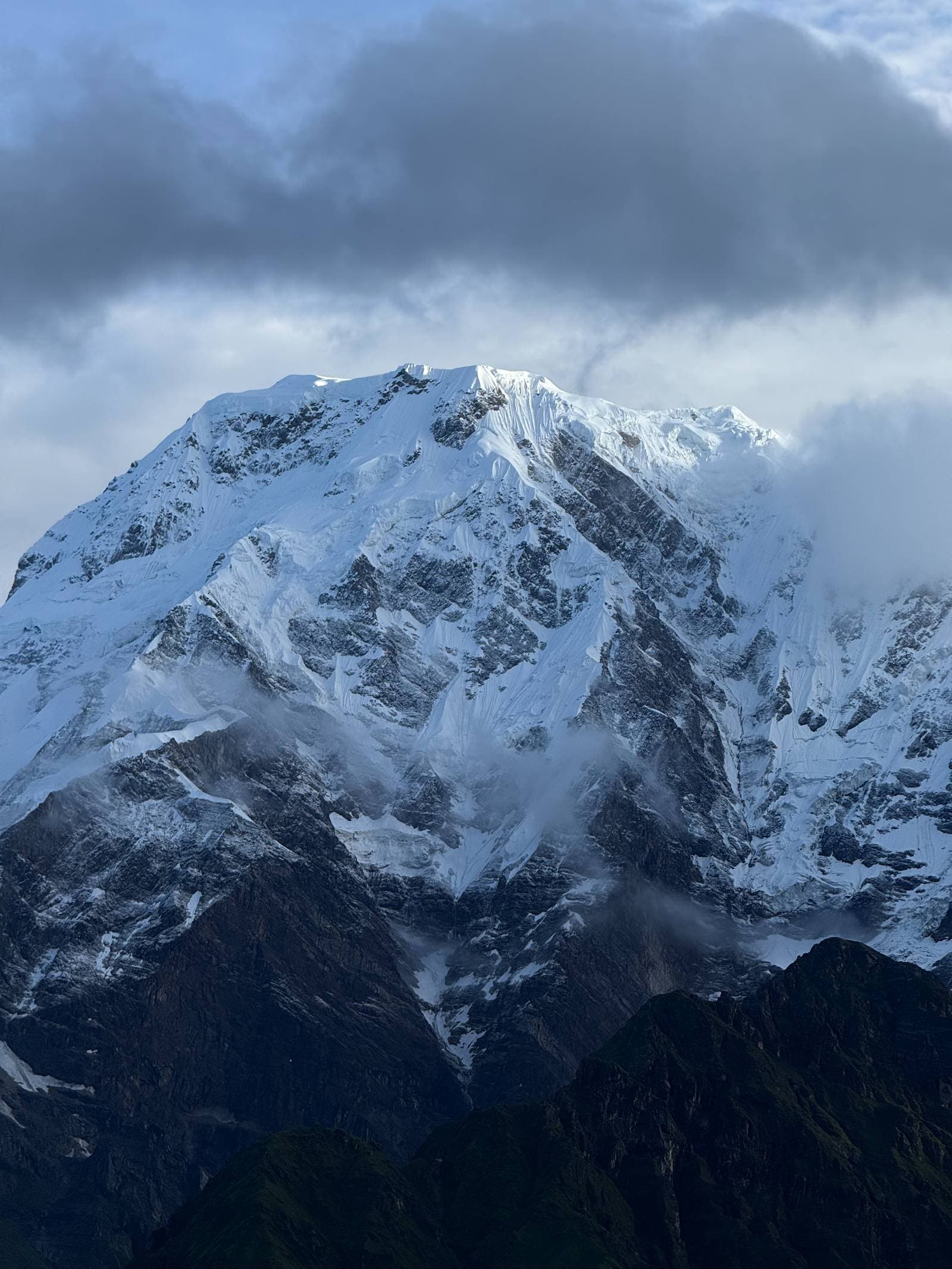
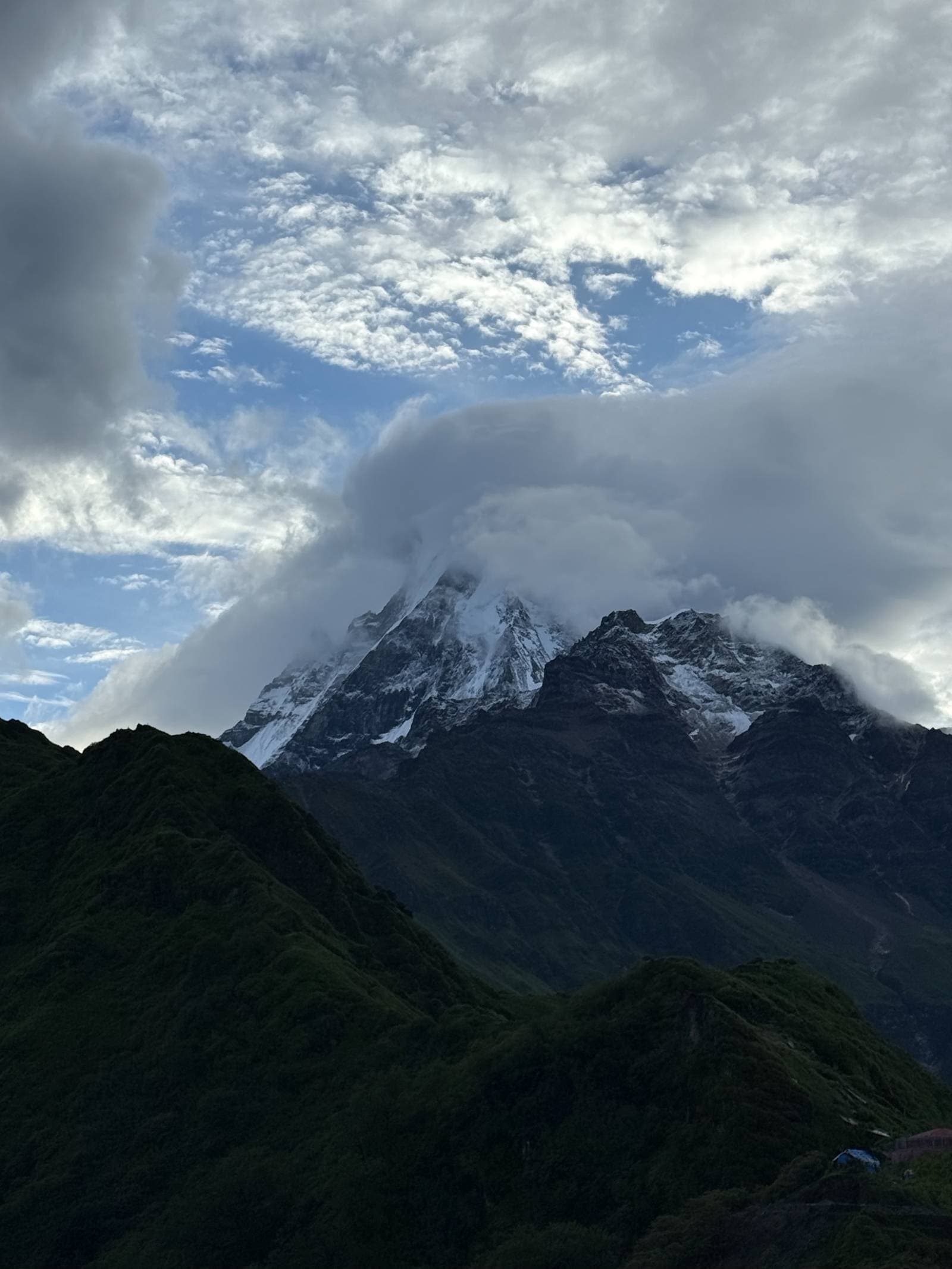
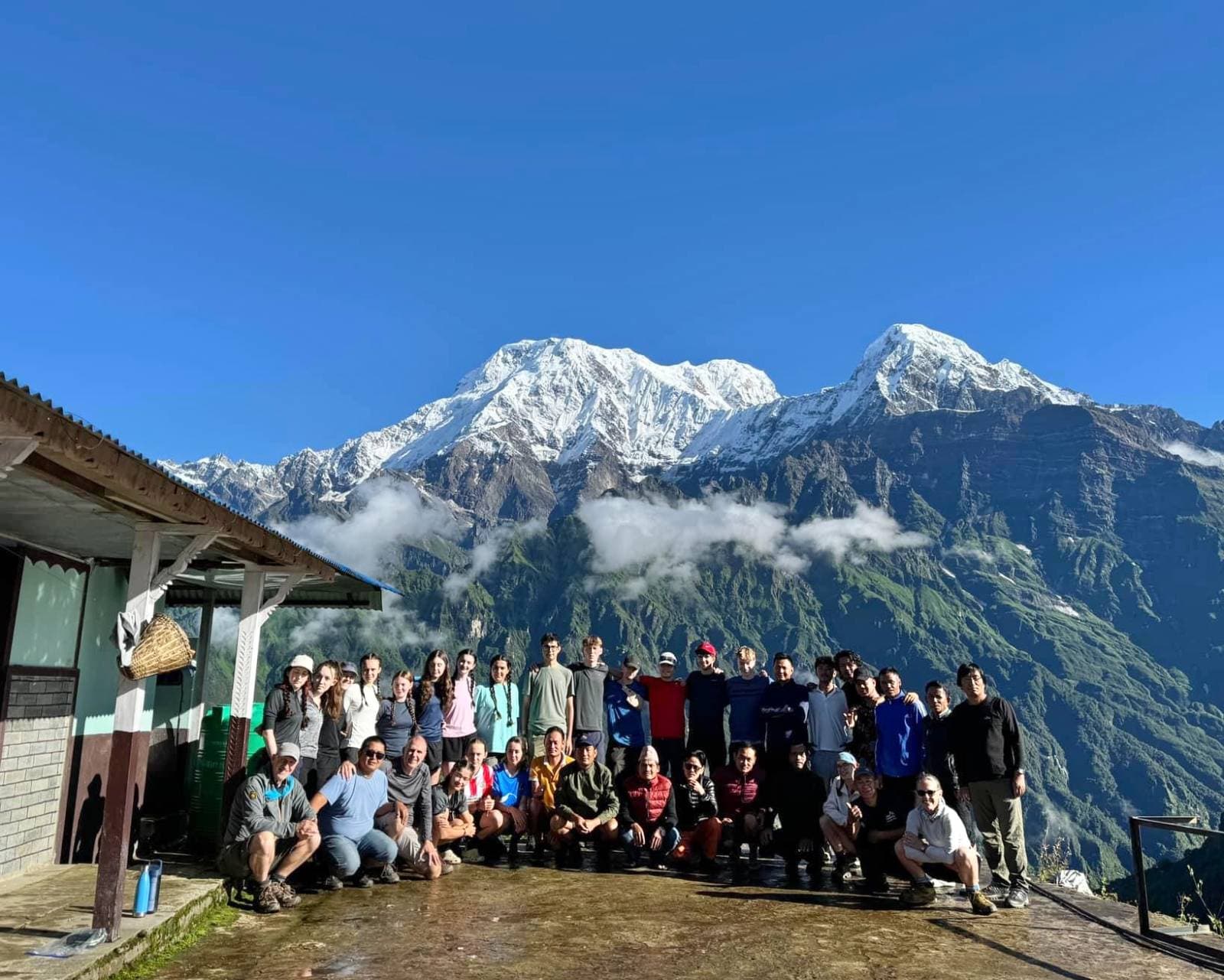
Summit viewpoint at 4,200 m offers close-up views of Machapuchare and the Annapurna massif
Quieter than most Annapurna treks, especially in the upper sections
Stay in teahouses along the route, with basic facilities at higher altitudes
Mardi Himal Trek Overview
The Mardi Himal Trek is a short and easy-to-follow route in the Annapurna region, starting from Pokhara. The trail mainly follows a ridge, moving from green forests to more open mountain areas as you go higher.
Compared to popular routes, this trek is quieter with fewer villages along the way. The path is straightforward with limited side trails, so it’s easy to navigate, but your daily stops are mostly fixed.
The trek usually takes about 5 days, making it a good option if you’re short on time. The climb is gradual, though the final stretch near High Camp and the viewpoint is at higher altitude and feels more exposed.
You will stay in teahouses throughout the trek. As you go higher, facilities become more basic, and options for food and extra services may be limited.
Overall, Mardi Himal is a great choice if you want a short Himalayan trek that still gives you a proper mountain experience without committing to longer routes like Annapurna Base Camp.
Itinerary

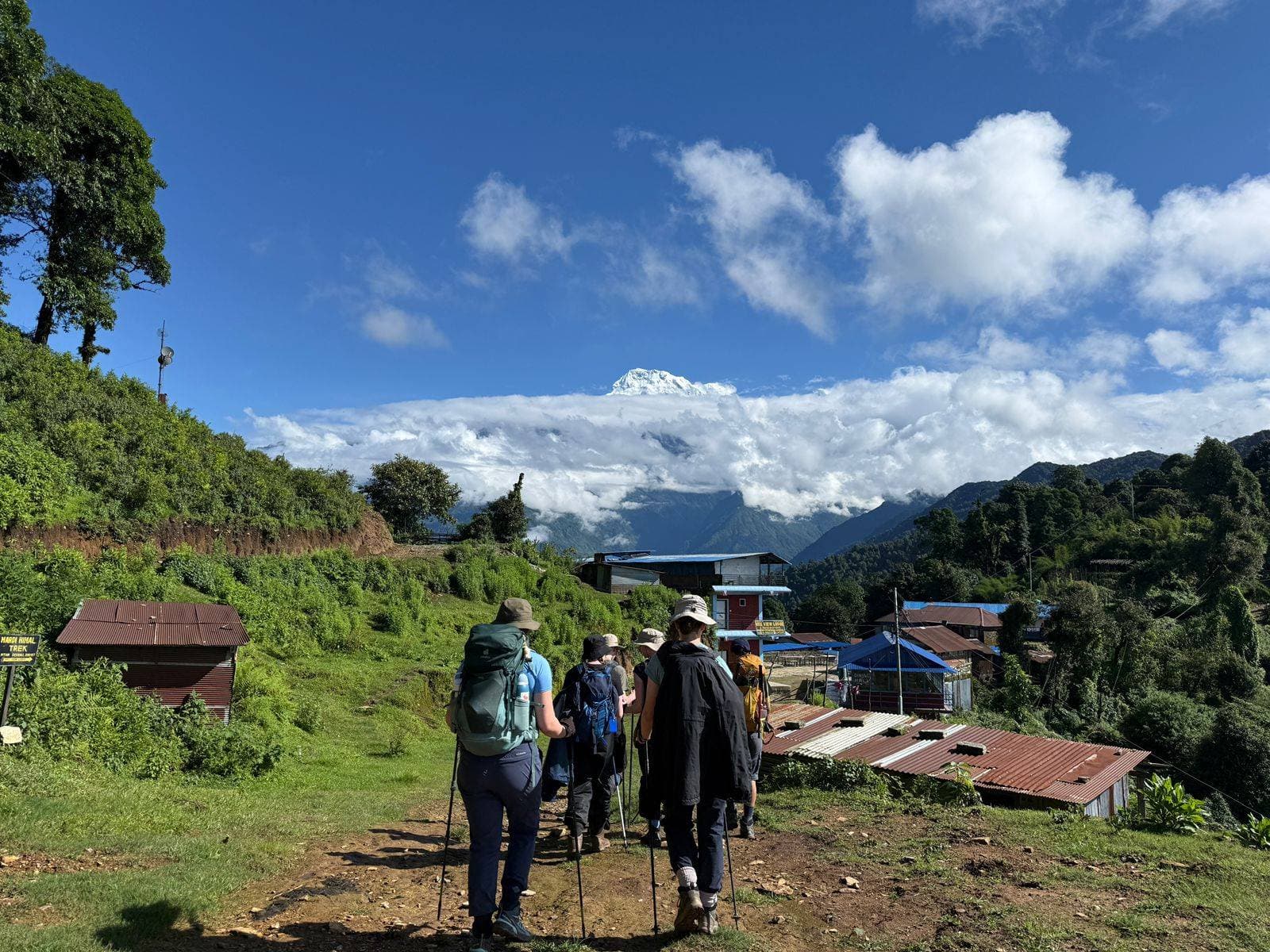
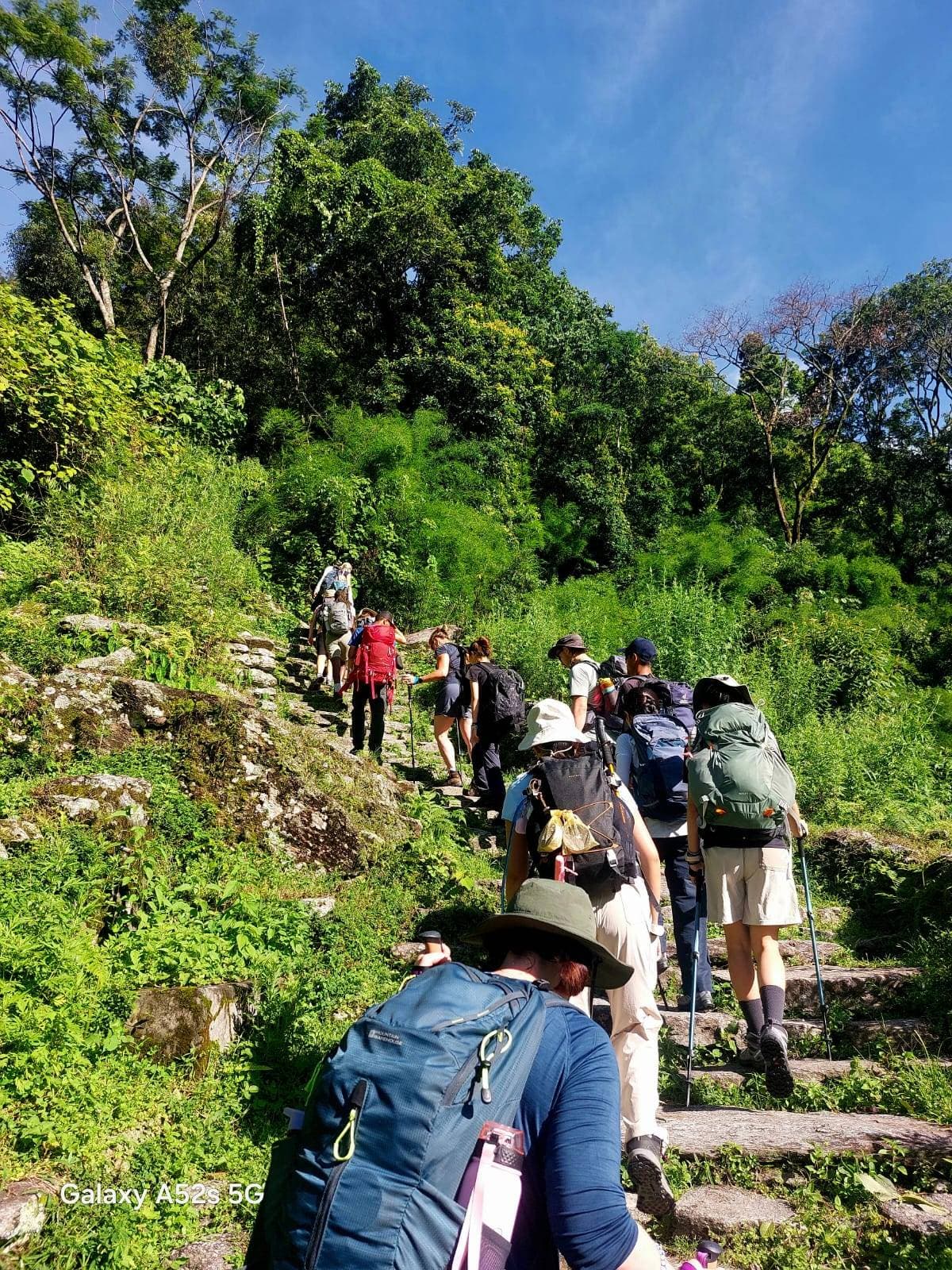
You begin with a short drive from Pokhara to Kande, which serves as the starting point of the trek. The trail starts with a steady uphill climb, mostly on stone steps, leading up to Australian Camp.
From here, the path continues along a forested ridge, gradually gaining elevation. The trail is well-defined but involves consistent ascent throughout the day.
Overnight at Pittam Deurali.
The trail moves deeper into forest, with a mix of gradual climbs and short flat sections along the ridge. This part of the route is quieter, with fewer trekkers compared to the lower sections.
The path remains mostly shaded, and the overall pace of the day is steady rather than steep.
Overnight at Rest Camp.
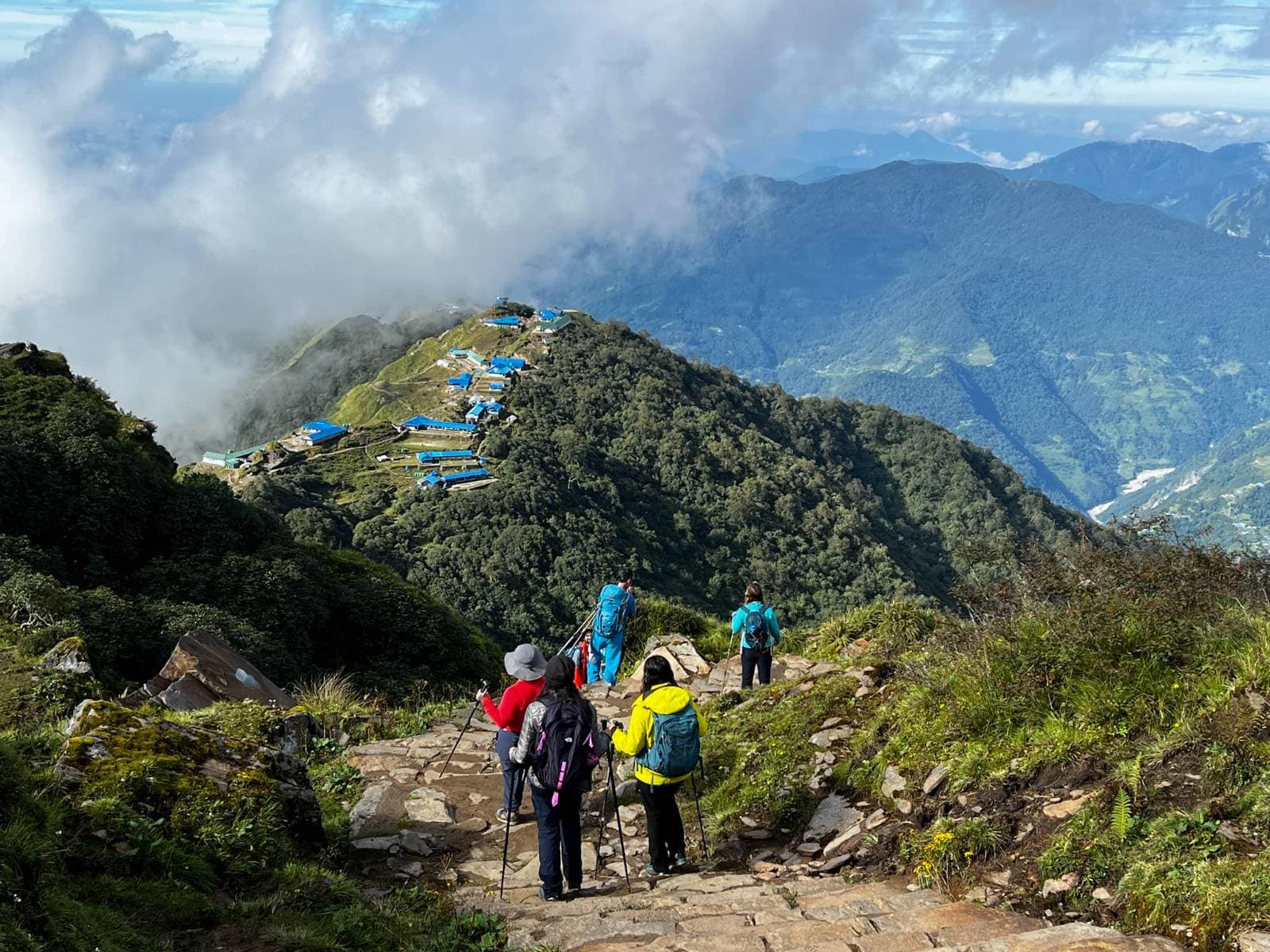
As you continue, the trail gradually transitions out of dense forest into more open terrain. The ridge becomes more defined, and the climb feels more exposed compared to previous days.
The final stretch towards High Camp involves a steady ascent along a narrow ridge path, with fewer trees and more open surroundings.
Overnight at High Camp.
You start early for the hike to Mardi View Point. The trail follows a narrow ridge with a gradual but continuous climb at higher altitude, making the pace slower than previous days.
After reaching the viewpoint and spending some time there, you return to High Camp and begin the descent. The route back down to Low Camp follows the same ridge, but the descent is long and requires steady footing.
Overnight at Low Camp.
The day begins with a descent through forested trails towards Siding Village. This route is less used compared to the main trail, offering a quieter and more direct exit. The path involves a consistent downhill walk until you reach the village. From Siding, you take a drive back to Pokhara, marking the end of the trek.
End of trek.
Map
Packing List
Upper Body
- Warm jacket (down or thick fleece)
- Light jacket or rain jacket (windproof and waterproof)
- Trekking shirts (2 to 3, quick dry)
- Warm hat or beanie
- Sun hat or cap
- Gloves (1 pair)
Lower Body
- Trekking pants (2 pairs)
- Trekking boots
- Trekking socks
- Sandals or flip flops
Undergarments
- Quick dry underwear
- Sports bras (women)
First Aid and Medications
- Band-aids
- Altitude sickness medicine (if prescribed)
- Electrolyte packets
- Your personal medicines (bring extra)
Other Essentials
- Sunscreen (SPF 30 or higher)
- Lip balm with SPF
- Hand sanitizer
- Polarized Sunglasses
- Reusable water bottle
We will carry the medicines and first-aid kits during the trek. However, we recommend you bring additional items based on your personal preferences and the specific conditions of the trip.
Inclusions
What's Included In This Trip?
Annapurna Conservation Area Permit and TIMS card required for the trek
Experienced, licensed, and insured local trekking guide throughout the trek
Round trip local shared jeep transport between Pokhara and the trek start and end points
4 nights of mountain lodge accommodation during the trek.
Guide support for altitude related issues and emergency coordination if needed
Travel and evacuation insurance covered for your guide during the trek
Pre trek briefing, route planning, and on trail coordination
Permits
Licensed Local Guide
Ground Transportation
Accommodation on the Trail
Emergency Support
Guide's Insurance
Trek Coordination
What's Excluded In This Trip?
Meals and drinks are not part of the base package
You may either add a meal plan in advance or pay directly at teahouses during the trek.
Porter service is not included in the base package.
You can add a porter during booking if you prefer support with your backpack.
Travel insurance covering high-altitude trekking is mandatory and must be arranged by you.
Items such as sleeping bags, down jackets, and trekking poles.
Personal expenses such as hot showers, charging, WiFi, and snacks are not included.
Flights to/from Nepal and visa fees are not part of the package.
Tipping is part of the trekking culture in the mountains and is appreciated by guides and porters as recognition of their work.
Meals During the Trek (Optional Add-on)
Porter Services (Optional Add-on)
Your Travel Insurance
Trekking Gear Rental
Personal Expenses
International Travel
Tips for Staff
Fixed Departures
FAQs
General Trek Information
The standard itinerary is 5 days from Pokhara, making it one of the shorter treks in the Annapurna region.
The trek starts with a drive from Pokhara to Kande and ends with a descent to Siding Village, followed by a drive back to Pokhara.
Yes, the route is ridge-based and straightforward. With a guide, navigation is simple and stress-free.
The highest point is the Mardi Himal Viewpoint at around 4,200 meters.
Permits & Trekking Requirements
You need the Annapurna Conservation Area Permit and a TIMS Card.
Yes, all required permits are arranged and included in Nepwise’s fixed cost.
Yes, as per current regulations, trekking with a licensed guide is required, and it is included in your package.
Accommodation & Meals
You will stay in teahouses along the trail. Rooms are basic, and facilities become simpler as you go higher.
Meals are usually not included in Nepwise’s base package. You pay directly at the teahouse, giving you flexibility over what and how much you eat.
Yes, you can add meals as an optional add-on if you prefer a more all-inclusive experience.
Yes, teahouses provide meals throughout the trek, though menu options become more limited at higher altitudes.
Guides, Porters & Group Details
Yes, a licensed and experienced guide is included in your package.
Yes, porters are optional and can be added based on your preference.
Each fixed departure group has a minimum of 2 and a maximum of 8 trekkers.
Yes. If you prefer a private trek, different dates, or a customized itinerary, you can contact us directly or submit your request through our trek planner.
What You Pay & What to Budget
The base price covers your essential trekking logistics, including a licensed guide, permits, transportation, and accommodation during the trek.
You pay for meals, drinks, snacks, and personal services like charging, Wi-Fi, and hot showers.
A typical budget is around NPR 2,500–4,000 per day depending on your choices.
Yes, by choosing the meal add-on, most of your food expenses can be covered in advance.
Health, Safety & Altitude
There is some risk above 3,000 meters, especially near High Camp and the viewpoint.
The itinerary is designed for gradual ascent, and your guide monitors your condition throughout the threk.
Your guide will coordinate support and evacuation if needed.
Yes, insurance with high-altitude and emergency evacuation coverage is Mandatory.
Experience & Local Culture
The trail starts from Kande and passes through forest areas like Forest Camp and Low Camp.
As you go higher, the views open up with close sights of Mardi Himal and Machapuchare.
Yes, mainly in the lower villages like Kande and Siding, where you stay in local teahouses and interact with locals.
No, it’s much quieter compared to routes like Annapurna Base Camp, especially after Low Camp.
If you need to cancel your trip, our refund policy follows a simple step-by-step process. Make sure to check the terms before finalizing your plans.Learn more